
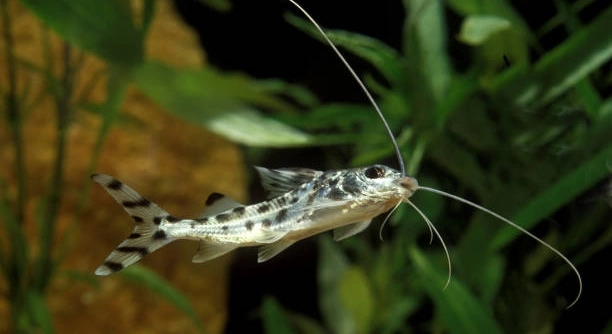
Do you ever find yourself watching your pictus catfish and feeling unsure if their strange behavior is normal or something to worry about?
New owners often feel confused by pictus catfish behavior due to their nocturnal nature, sudden bursts of movement, and tendency to hide. These actions are normal, instinctual, and tied to their natural environment and survival instincts.
Understanding these behaviors can help you feel more confident in your care and create a more peaceful home for your fish.
They Swim Like They’re Panicking
Pictus catfish often dart around their tank quickly, making it seem like something is wrong. This behavior usually happens when the lights are on or when there is a sudden movement nearby. These fish are naturally active and have strong reflexes. In the wild, they swim fast to avoid predators. In your tank, they might react the same way to shadows, loud sounds, or unfamiliar changes. It doesn’t always mean they’re scared—it’s simply how they move. If they have plenty of hiding spots and space to swim, they tend to settle down more. Tank mates that are calm and non-aggressive also help reduce their stress. Their activity level can be surprising at first, but it’s not something to worry about unless you notice signs of injury or illness. Watching them during their quiet periods can give you a better idea of their true behavior.
This sudden swimming may look frantic, but it’s often part of how they explore their space and stay alert.
Over time, their movement becomes more predictable. You’ll notice patterns like increased activity during feeding or lights turning off. Once you recognize their habits, it gets easier to tell when something is actually wrong.
They Hide All Day and Only Come Out at Night
Pictus catfish are nocturnal, so they tend to stay hidden during the day. They come out mostly at night to explore and eat. This can make new owners think something is wrong or that the fish is unhappy.
Since they are most active after the lights go out, it’s normal to see very little of them during the day. They need caves, driftwood, or plants to rest under where they feel safe. Without these hiding spots, they can become stressed and act out of character. Some may even try to squeeze into filter intakes or tank corners if no cover is available. Over time, they may get used to a regular feeding schedule and appear more often, especially if they learn to associate your presence with food. To help them feel secure, it’s important to reduce bright lighting and limit loud noises around the tank. Using dim lighting or a red night light can help you observe them without disturbing their rhythm. Providing a quiet, shaded tank environment helps these shy fish thrive.
They Make Clicking Noises Underwater
Pictus catfish can make faint clicking sounds, especially during feeding or when they interact with each other. This noise might catch you off guard, but it’s completely normal and not a sign of stress or sickness.
These clicks are usually made by grinding their pectoral spines or through their swim bladder, which helps them communicate or show excitement. Some owners first notice it during quiet nighttime hours. If your tank is in a quiet room, you may hear these sounds more often. It’s more noticeable when the fish are active or feeling territorial. Though it may sound strange, there’s nothing to be concerned about unless other symptoms appear like gasping, bloating, or unusual swimming. Many catfish species use similar sounds to express themselves, and pictus catfish are no different. If the clicking increases during feeding, it’s likely a sign of anticipation or alertness.
Sometimes, these clicking sounds can also come during small scuffles or when they bump into tank mates. It’s part of how they interact and navigate their space. As long as the behavior isn’t aggressive or frequent enough to bother other fish, it’s not something that needs to be stopped or corrected. Keeping the tank peaceful helps limit these reactions.
They Sometimes Swim Upside Down
It’s not unusual to see a pictus catfish swimming sideways or even upside down for a short time. This often happens during playful or energetic moments and isn’t always a reason for concern.
When pictus catfish explore new spaces or chase food around the tank, they may twist or turn in different directions. Their bodies are flexible and agile, which allows them to maneuver through tight spots. If they swim upside down for just a few seconds and then go back to normal, it’s usually nothing serious. However, if it becomes a frequent pattern or if they seem to struggle staying upright, it could point to a swim bladder issue. Water quality, diet, and tank stress can affect their balance. Keeping up with regular water changes and feeding them a varied, balanced diet can help prevent this. A stable tank setup reduces the chance of ongoing problems.
They Vanish for Hours at a Time
Pictus catfish are experts at hiding. They often wedge themselves into decorations, driftwood, or behind filters where they can’t be seen easily. It might seem like they’ve disappeared, but they’re usually just resting in a dark, quiet spot.
They do this to feel safe, especially during the day. Unless the tank is too small or lacks hiding spaces, this behavior is normal and not a sign of illness.
They Chase Tank Mates at Night
Pictus catfish can become more active at night and sometimes chase smaller or slower tank mates. This behavior is usually not aggressive, but it can stress out more peaceful fish. It’s important to choose tank mates that are quick, calm, and large enough not to be seen as food. If your pictus is too active at night, feeding them right before lights out may help reduce their energy. Also, having enough space and décor to break up their path can prevent constant chasing. Watching their behavior during evening hours can help you decide if changes are needed.
Their Whiskers Never Stop Moving
The constant whisker movement is how they explore their surroundings. These whiskers help them sense food, tank walls, and other fish, especially in low light. It’s a normal and healthy behavior.
Why does my pictus catfish swim so fast and then suddenly stop?
Pictus catfish have natural bursts of speed as part of their survival instincts. They are quick swimmers in the wild, using fast movements to avoid predators or chase food. In a tank, sudden stops usually mean they’re checking their surroundings or resting briefly. This behavior is normal and shows their alertness. If you notice constant frantic swimming without rest, it could mean stress from tank conditions or aggression from other fish. Providing a calm environment with enough hiding spots helps reduce unnecessary bursts. Regular feeding schedules also make their movements more predictable.
Why does my pictus catfish hide all day and only come out at night?
Pictus catfish are nocturnal by nature. They prefer to stay hidden during daylight hours to feel safe and come out when the tank is dark. Their hiding behavior is normal and helps them avoid stress from bright lights or loud noises. Providing caves, plants, or driftwood gives them places to rest comfortably. Using dim lighting or turning off aquarium lights for a period encourages natural activity. This cycle helps maintain their health and reduces anxiety.
What causes the clicking sounds my pictus catfish make?
The clicking noises come from grinding their pectoral spines or moving parts of their swim bladder. These sounds help communicate excitement, alertness, or mild territorial signals. Clicking is usually most noticeable during feeding or interaction with other fish. It’s a natural behavior and not a sign of distress unless paired with other symptoms like erratic swimming or gasping. Monitoring your tank environment and fish health ensures the sounds stay normal and harmless.
Is it normal for pictus catfish to swim upside down?
Occasional upside-down swimming is common when pictus catfish are exploring or playing. They are agile and flexible swimmers who may twist their bodies while chasing food or moving through tight spaces. However, frequent or prolonged upside-down swimming could indicate swim bladder problems or water quality issues. Maintaining clean water and feeding a balanced diet reduces health risks. Watching for other signs of illness helps catch problems early.
Why do my pictus catfish chase other fish at night?
At night, pictus catfish become more active and may chase smaller tank mates as part of their natural behavior. This chasing is usually not aggressive but can stress other fish if constant. Choosing compatible, quick-moving tank mates helps prevent stress. Feeding before lights out can reduce excess energy that drives chasing. Adding decorations to break lines of sight also limits chasing opportunities. Managing tank size and population ensures all fish have enough space to feel safe.
How often should I feed my pictus catfish?
Feeding once or twice a day is ideal for pictus catfish. They prefer sinking pellets, live foods, or frozen treats like bloodworms. Avoid overfeeding as leftover food can pollute the tank and harm water quality. Feed amounts they can finish within a few minutes. Adjust portions depending on their activity level and tank temperature. Regular feeding times help establish a routine that pictus catfish respond to positively.
What tank conditions do pictus catfish prefer?
Pictus catfish thrive in tanks with temperatures between 72°F and 78°F (22°C–26°C) and a pH of 6.5 to 7.5. They need clean, well-oxygenated water with moderate current. Providing hiding places like caves, plants, or driftwood is important. A tank size of at least 30 gallons is recommended because they are active swimmers. Regular water changes and gentle filtration support their health and natural behavior.
Can pictus catfish live with other fish?
Yes, pictus catfish are generally peaceful and do well with other non-aggressive fish of similar size. Avoid housing them with very small fish that may be seen as food or with overly aggressive species that stress them out. Good tank mates include tetras, barbs, and larger peaceful cichlids. Monitoring interactions helps ensure harmony. Providing enough space and hiding spots reduces conflicts.
Why do my pictus catfish’s whiskers move constantly?
Their whiskers, or barbels, are sensory organs that help them find food and navigate. Constant movement allows them to detect changes in water flow, locate objects, and communicate. This behavior is normal and a sign of good health. Keeping the tank environment clean ensures their whiskers stay sensitive and effective.
What should I do if my pictus catfish stops eating?
Loss of appetite can be a sign of stress, illness, or poor water quality. First, check tank parameters and improve conditions if needed. Offer a variety of foods like live or frozen treats to stimulate appetite. Reduce disturbances around the tank to lower stress. If the fish continues to refuse food for several days, consider consulting a vet or experienced aquarist to diagnose possible health issues. Early action helps prevent serious problems.
Pictus catfish can be a little confusing for new owners because they behave differently from many other fish. Their fast swimming, hiding habits, and nighttime activity are all part of how they naturally live. Understanding these behaviors can make it easier to care for them and enjoy watching their unique personality. It is important to remember that these fish come from rivers where they need to be alert and quick to survive. Their instincts show in how they move and interact in your tank, even though they are safe at home. Recognizing what is normal behavior will help reduce worries and allow you to provide the best environment for them.
Taking good care of pictus catfish means giving them a tank setup that matches their needs. They need enough space to swim freely and plenty of places to hide and rest during the day. Keeping the water clean and maintaining the right temperature and pH are also essential. Feeding them well with appropriate food and at regular times supports their health and energy. By paying attention to these details, you create a stable and comfortable home where pictus catfish can thrive. Watching them become more relaxed and active as they get used to their environment is one of the rewards of proper care.
While pictus catfish can sometimes surprise you with unusual behavior, most of it is normal and not a cause for concern. They are interesting fish with special ways of communicating and moving that make them stand out in the aquarium hobby. Taking the time to learn about these behaviors and meeting their needs helps build a positive relationship between you and your fish. Over time, you will find it easier to understand them and enjoy their lively and curious nature. The small effort to adjust to their habits will pay off with a healthy, happy pictus catfish that adds life and activity to your tank.

Hello,
If you enjoy the content that we create, please consider saying a "Thank You!" by leaving a tip.
Every little bit helps us continue crafting quality advice that supports the health, happiness, and well-being of pets around the world, for pets of all shapes, sizes, and species.
We really appreciate the kindness and support that you show us!