
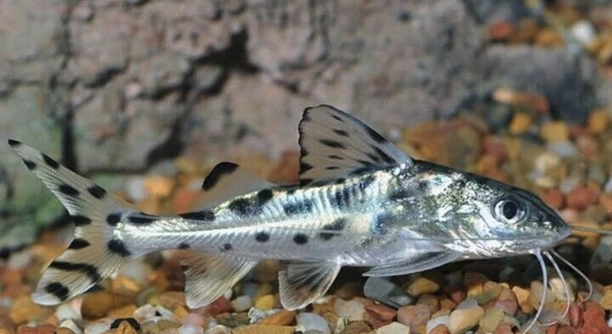
Fin damage in pictus catfish is a common concern for many aquarium enthusiasts. These delicate fish often show signs of wear on their fins, which can affect their overall health and appearance. Understanding the causes helps maintain a thriving tank environment.
Fin damage in pictus catfish is primarily caused by poor water quality, aggressive tank mates, and physical injury from decorations or handling. Stress and bacterial infections can also weaken the fins, leading to tearing or fraying over time.
Knowing what leads to fin damage allows fish owners to take better care of their pictus catfish. This article will explain the main factors contributing to fin issues and how to prevent them.
Common Causes of Fin Damage in Pictus Catfish
Fin damage in pictus catfish often results from several factors within their tank environment. Poor water quality is a leading cause, as high ammonia or nitrite levels irritate the fins and make them prone to tearing. Aggressive tank mates may nip at the fins, causing visible damage. Sharp or rough decorations can also injure fins when fish swim close or hide among them. Overcrowding increases stress, weakening the fish’s immune system and making fin damage more likely. Handling or sudden movements during tank maintenance may accidentally harm their delicate fins. Bacterial or fungal infections can develop on damaged areas, further worsening the problem. Regular water changes, proper tank mates, and smooth decorations reduce these risks. Observing your fish closely for early signs of fin issues helps in taking timely action.
Stress and infections weaken fins, allowing damage to worsen quickly if ignored.
Addressing these causes helps maintain your pictus catfish’s fins in good condition. Managing water quality and avoiding rough tank setups are simple but effective steps. Keeping peaceful companions and minimizing handling also protect fins. If you notice damage, isolate affected fish and treat infections promptly to avoid spreading problems. Consistent care improves fin health and enhances your fish’s natural beauty.
Preventing Fin Damage Through Tank Care
Maintaining a clean, stable environment is essential to preventing fin damage in pictus catfish.
Regular water testing and changes keep ammonia and nitrite levels safe. Proper filtration removes waste that harms fish health. Decorations should be smooth and free of sharp edges to avoid injury. Adding plenty of hiding spots reduces stress and aggression between fish. Choosing tank mates carefully is important—avoid species known to nip fins or be overly territorial. Monitoring fish behavior can catch early signs of aggression or illness. Feeding a balanced diet supports immune health, helping fins heal and resist damage. Avoid overcrowding to limit stress. Gentle handling during tank cleaning reduces accidental harm. Together, these steps create a safer environment where fins stay intact and fish remain healthy.
Routine care prevents common issues that lead to fin damage in pictus catfish tanks.
Small changes in tank management make a big difference in fin health. Attention to water parameters ensures the environment supports recovery and prevents recurring damage. Selecting compatible fish reduces aggressive interactions, allowing fins to remain whole. Removing sharp objects eliminates physical injury risks. Balanced nutrition strengthens fish’s defenses. Avoiding overcrowding decreases stress levels that can weaken fins. Handling fish carefully during maintenance protects delicate fins from tearing. Together, these practices form a solid approach to fin damage prevention, making your tank a safe place for pictus catfish to thrive.
Signs of Fin Damage in Pictus Catfish
Fin damage appears as frayed, torn, or ragged edges on the fins. The fins may look shorter or have missing parts. Sometimes, discoloration or redness around the damaged areas is visible. If left untreated, fins can worsen, affecting the fish’s swimming and health.
Damaged fins often show early signs like slight tearing or fading color. These subtle changes can be easy to miss if you don’t watch your fish closely. As damage progresses, the fins may develop white edges or become inflamed, which indicates infection. This can cause discomfort and make swimming difficult. Catching fin damage early allows for quicker treatment and recovery. Healthy fins should appear smooth and intact, so any irregularities call for attention.
Observing your pictus catfish regularly is essential. Note changes in fin shape, color, or behavior. Early detection prevents further harm and helps maintain your fish’s wellbeing. Careful monitoring supports a happier, healthier tank.
Treating Fin Damage Effectively
Effective treatment depends on the cause of fin damage. Improving water quality through regular testing and partial water changes is the first step. Using aquarium salt or antifungal medication can help if infections are present. Separating injured fish in a quarantine tank limits the spread of disease.
Bacterial infections require antibiotic treatments prescribed for aquarium use. It’s important to follow dosage instructions carefully. Avoid overmedicating, which can harm your fish and beneficial bacteria in the tank. Treating fin damage also means reducing stress by maintaining a calm environment. Minimizing handling during treatment speeds recovery. Feeding high-quality, nutritious food supports healing and strengthens the immune system.
If aggression causes fin damage, consider changing tank mates or adding hiding spots to reduce conflicts. Regular monitoring during treatment helps you adjust care as needed. Timely and consistent care ensures your pictus catfish regains strong, healthy fins.
Preventing Recurrence of Fin Damage
Consistent tank maintenance is key to preventing fin damage from returning. Keep water parameters stable and monitor fish behavior regularly. Avoid overcrowding to reduce stress and aggression among tank mates.
Providing a balanced diet and clean environment strengthens your pictus catfish’s fins. Regular observation helps catch issues before they worsen, ensuring long-term fin health.
Role of Tank Mates in Fin Health
Choosing compatible tank mates minimizes fin nipping and fighting. Avoid aggressive or fin-nipping species that may stress pictus catfish. Peaceful companions promote a calmer tank environment.
Introducing new fish slowly and watching interactions helps maintain harmony. Good tank mates reduce injury risks and support healthier fins over time.
Impact of Water Quality on Fin Damage
Poor water quality causes fin irritation and weakens fish immunity. High ammonia, nitrite, or nitrate levels harm fins and encourage infections. Maintaining clean water reduces damage risks and supports healing.
Regular testing and timely water changes keep parameters safe. Effective filtration and proper feeding habits also contribute to better water quality and fin health.
Physical Injuries from Decorations
Sharp or rough tank decorations can tear delicate fins. Choose smooth, rounded ornaments to prevent accidental injury. Avoid overcrowding with too many decorations that limit swimming space.
FAQ
What causes fin damage in pictus catfish?
Fin damage in pictus catfish is usually caused by poor water quality, aggressive tank mates, physical injury, or infections. Stress and overcrowding also weaken fins, making them prone to tearing or fraying.
How can I tell if my pictus catfish has fin damage?
Look for torn, ragged, or shorter fins with discoloration or redness. Inflamed or white edges around the fins may signal infection. Damaged fins often affect swimming behavior.
Can fin damage heal on its own?
Mild fin damage can heal naturally if the environment is healthy and free of stressors. However, infections or continued injury require treatment to prevent worsening.
What should I do if my pictus catfish has fin damage?
Improve water quality immediately with partial water changes and test your tank regularly. Use medication if infections are present and isolate the fish if necessary. Reduce stress by limiting handling and ensuring peaceful tank mates.
Are certain tank mates more likely to cause fin damage?
Yes. Aggressive fish or those known to nip fins can injure pictus catfish. It’s best to keep them with calm, non-aggressive species to reduce risk.
How important is water quality for fin health?
Water quality is crucial. Poor water can irritate fins and lower immunity, making infections more likely. Regular testing and filtration help maintain a safe environment for healing.
Can diet affect fin damage and recovery?
A balanced, nutritious diet strengthens the immune system, supporting fin repair and overall health. Poor nutrition can slow healing and increase vulnerability to infections.
Should I quarantine a fish with fin damage?
Quarantining sick or injured fish prevents spreading infections and allows focused treatment. It also reduces stress from tank mates during recovery.
How often should I check my tank water parameters?
Testing water weekly is ideal to catch any harmful changes early. Frequent monitoring helps maintain a stable environment that supports fin health.
What types of decorations are safest for pictus catfish fins?
Smooth, rounded decorations without sharp edges are best. Avoid rough or jagged ornaments that can tear fins during swimming or hiding.
Can stress cause fin damage in pictus catfish?
Stress weakens the immune system and can lead to fin damage either directly or by making fish more susceptible to infections. Minimizing stress through proper tank conditions is essential.
Is it normal for pictus catfish to lose small parts of their fins?
Small fin tears can happen but should not be frequent or worsening. Consistent damage indicates underlying problems that need attention.
How long does it take for fin damage to heal?
Healing time varies depending on severity, water quality, and care. Minor damage can improve within weeks, but infected or severe injuries may take longer with treatment.
Can fin rot be prevented?
Yes, by maintaining good water quality, avoiding fin-nipping tank mates, and promptly treating any injuries or infections, fin rot can be effectively prevented.
What medications help treat fin damage?
Antibacterial and antifungal treatments made for aquarium use are effective. Always follow dosage instructions carefully and avoid overuse to protect beneficial bacteria.
How can I reduce aggression in my tank to protect fins?
Provide plenty of hiding spaces and avoid overcrowding. Choosing peaceful tank mates and observing fish behavior helps reduce fights and fin damage.
Are there signs that indicate fin damage is due to infection?
Redness, swelling, white edges, and a foul smell around the fins are signs of infection needing treatment. Untreated infections can spread and worsen fin damage.
Does tank size affect fin damage risk?
A cramped tank increases stress and aggression, raising the risk of fin injury. Providing enough space for all fish lowers these risks.
Is it okay to handle pictus catfish with damaged fins?
Handling should be minimal to avoid further injury and stress. Use gentle care when necessary and avoid rough movements.
Can improving water temperature help with fin healing?
Maintaining stable, appropriate temperatures supports immune function and healing. Sudden changes or extreme temperatures can stress fish and worsen fin problems.
Fin damage in pictus catfish is a common issue that can affect their health and appearance. It usually happens because of poor water quality, rough tank mates, physical injuries, or infections. Keeping a clean tank with good water parameters helps prevent fin damage. Choosing peaceful fish to share the tank and avoiding sharp decorations also protect the delicate fins. Watching your fish closely and acting quickly if you see any damage makes a big difference. Taking these steps creates a better environment where pictus catfish can stay healthy and show their natural beauty.
Treating fin damage means improving the tank conditions right away. Regular water changes and testing help keep the environment safe for your fish. If infections occur, medicines made for aquarium use can help clear them up. Reducing stress by limiting handling and providing hiding places supports faster healing. Sometimes separating the injured fish can stop diseases from spreading. Feeding a nutritious diet also strengthens their immune system so fins can repair more easily. Being consistent with care and monitoring results helps your fish recover fully and prevents problems from returning.
Preventing future fin damage is about ongoing maintenance and good tank management. Keeping water clean, stable, and free of toxins is essential. Avoid overcrowding and choose tank mates wisely to reduce stress and aggression. Decorations should be smooth and safe to prevent accidental injuries. Regular observation allows you to catch problems early before they worsen. Remember that small changes in how you care for your tank can have a big impact on fin health. By following these guidelines, your pictus catfish will have a safer, more comfortable home with strong, healthy fins.

Hello,
If you enjoy the content that we create, please consider saying a "Thank You!" by leaving a tip.
Every little bit helps us continue crafting quality advice that supports the health, happiness, and well-being of pets around the world, for pets of all shapes, sizes, and species.
We really appreciate the kindness and support that you show us!