
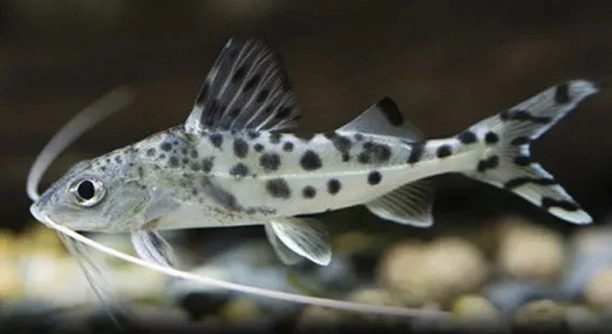
Do your pictus catfish seem restless, stressed, or not behaving as usual? Overcrowding may be quietly disrupting their well-being without you even realizing it.
Overcrowding a pictus catfish tank leads to stress, aggression, poor water quality, and higher disease risk. These conditions significantly reduce the fish’s lifespan and overall health. Proper stocking, space, and filtration are crucial for a balanced environment.
Recognizing the signs early and adjusting your setup can help maintain a healthy, peaceful tank that supports your pictus catfish’s natural behavior.
Stress and Aggression in Tight Spaces
When too many pictus catfish are placed in a single tank, stress builds quickly. These active fish need plenty of space to swim and hide. Without it, they feel threatened and anxious. You might notice them darting around, bumping into decorations, or hiding more often. Stress like this weakens their immune systems, leaving them vulnerable to illness. Over time, this can lead to fights over territory or food, increasing the chances of injury. Their whiskers, or barbels, may become frayed or damaged during scuffles. Maintaining enough room for each fish can significantly reduce aggressive behavior and help them feel safer.
Overcrowding often causes the fish to lash out or compete aggressively, even if they were once peaceful. The constant presence of others creates tension.
Pictus catfish thrive when they feel secure. Giving them enough space reduces aggression, supports natural behavior, and helps maintain long-term peace in your tank.
Water Quality Declines Rapidly
Too many fish in one tank quickly leads to excess waste, which strains your filter and harms water quality.
Pictus catfish produce a moderate amount of waste, but when crowded, that waste accumulates faster than most filters can handle. Ammonia and nitrite levels rise, which are toxic to fish even in small amounts. Cloudy water, foul smells, and algae blooms often follow. These signs point to dangerous water conditions that can harm your pictus catfish’s organs, gills, and skin. Poor water quality also limits oxygen levels, making it harder for your fish to breathe. Even with regular water changes, an overcrowded tank is harder to manage. The filter gets clogged faster, and debris builds up in corners where catfish like to rest. This environment creates the perfect conditions for parasites and harmful bacteria to grow. To avoid these issues, stick to recommended stocking limits and invest in a strong filtration system designed for your tank size.
Oxygen Levels Drop Quickly
When pictus catfish are overcrowded, oxygen gets used up faster than it can be replenished. This makes it harder for them to breathe and stay active.
Low oxygen levels can cause your pictus catfish to act sluggish, gasp near the surface, or hover close to the filter where water movement is strongest. These signs mean the tank isn’t getting enough aeration. Overcrowding also increases waste, which further lowers oxygen. Warmer water, often caused by too many fish and overworked equipment, holds even less oxygen. Without a steady flow of fresh air and clean water, your fish may become weak and more vulnerable to disease. Adding air stones or improving circulation helps, but it’s not enough if the tank is too full. You’ll notice a big difference in behavior and health once oxygen levels are restored to a proper balance through reduced stocking.
Stable oxygen levels support every function your fish depend on. From digestion to immune strength, they can’t thrive without clean, breathable water. Keeping fewer fish in the tank gives your system time to replenish oxygen naturally and evenly. It also reduces heat buildup and allows equipment to work more efficiently. This simple balance makes a clear difference in their comfort and survival.
Weakened Immune System
Overcrowded tanks keep fish in a constant state of stress, which slowly weakens their ability to fight off illness. It may not show at first, but it builds up over time.
A weakened immune system leaves pictus catfish vulnerable to parasites, infections, and bacterial problems. Ich, fin rot, and skin flukes are all common when immune defenses drop. These conditions spread faster in overcrowded tanks, especially when poor water quality and low oxygen are also present. Scratching, clamped fins, and dull coloring are early signs of illness. Medications can help, but they are only a temporary fix if the root cause—overcrowding—remains. The best prevention is a healthy environment with stable parameters and enough space for each fish. Strong immunity helps fish recover faster and resist future problems, which saves time, money, and stress. Regular monitoring, along with responsible stocking, is key to avoiding long-term health issues in your tank.
Increased Risk of Injury
When pictus catfish don’t have enough space, they often bump into sharp decorations or rough surfaces while trying to escape each other. This leads to split fins, damaged barbels, or even open wounds.
Small injuries can quickly get worse in poor water conditions. Without room to swim freely, fish are more likely to collide during feeding or while hiding.
Uneven Food Distribution
In a crowded tank, food rarely reaches every fish equally. Dominant ones eat first, while the rest may go hungry or eat too fast. This creates uneven growth and nutritional problems. Uneaten food also rots quickly, which harms water quality and invites bacteria. Proper spacing gives every fish a fair chance to feed.
Limited Natural Behavior
Pictus catfish enjoy exploring, hiding, and swimming in bursts of energy, especially at night. Overcrowding stops these natural habits and causes them to become anxious or withdrawn. With more space, they behave more like they would in nature.
FAQ
How many pictus catfish should be kept in one tank?
The ideal number depends on your tank size. Generally, one pictus catfish per 5 gallons of water works well. This gives them enough room to swim and reduces stress. For a 30-gallon tank, 5 to 6 pictus catfish is a good limit. Overcrowding beyond this can cause many health and behavioral problems.
What signs show my pictus catfish tank is overcrowded?
Look for constant chasing, hiding, or fin damage. Fish may gasp at the surface or act sluggish. Cloudy water, algae blooms, and unpleasant smells are also clues. If your fish compete aggressively for food or space, overcrowding is likely the cause.
Can I keep other fish with pictus catfish in the same tank?
Yes, pictus catfish can live peacefully with many species that prefer similar water conditions. Choose tank mates that are not too aggressive or large. Make sure there is enough room for everyone, or overcrowding problems will affect all fish.
How can I improve water quality in an overcrowded tank?
Frequent water changes help but won’t fully fix overcrowding issues. A strong filter rated for a larger tank size is necessary. Adding air stones can improve oxygen levels. However, reducing the number of fish is the best long-term solution.
What should I do if my pictus catfish show signs of stress or illness?
First, test your water parameters and do a partial water change. Check tank stocking levels and improve filtration if needed. If illness persists, consider isolating sick fish for treatment. Reducing overcrowding is key to preventing future problems.
How often should I clean my tank in a crowded setup?
More frequent cleaning is necessary when overcrowded. Partial water changes of 25-30% once a week or more are recommended. Remove uneaten food and debris daily to maintain water quality. Overcrowding increases waste, so staying on top of maintenance is crucial.
Are there any benefits to keeping pictus catfish in groups?
Yes, pictus catfish are social and feel more secure in groups of at least 3 to 5. They show natural schooling behavior when kept together, which can reduce stress. The key is balancing social needs with enough space to prevent overcrowding.
What happens if I don’t fix overcrowding early?
Ignoring overcrowding leads to chronic stress, disease outbreaks, and early death for your fish. The tank environment deteriorates quickly, making recovery difficult. Long-term overcrowding damages fish health and reduces their lifespan significantly. Taking action early protects your investment and your fish’s well-being.
Final Thoughts
Overcrowding a pictus catfish tank causes many problems that can be avoided with proper care. These fish need enough space to swim, hide, and behave naturally. When too many fish are kept together, stress and aggression increase, water quality declines, and oxygen levels drop. These issues combine to weaken the fish’s immune system and make them more prone to illness. Taking steps to keep your tank at a healthy stocking level is important for the well-being of your pictus catfish. It also makes caring for your tank easier and more rewarding.
Maintaining good water quality is a key factor in keeping pictus catfish healthy. Overcrowding quickly overloads filters and causes waste to build up. This creates toxic water conditions that harm the fish’s skin, gills, and organs. Regular water changes, strong filtration, and good aeration all help, but none can fully compensate for too many fish in one tank. Providing ample space and clean water supports your fish’s natural defenses and reduces disease risk. It also encourages natural behavior, which means your pictus catfish will be more active, comfortable, and vibrant.
Proper stocking not only improves fish health but also increases your enjoyment as an owner. When pictus catfish have enough room, they show their true personality. Their playful swimming, social interactions, and peaceful nature become easier to observe and appreciate. Overcrowding hides these qualities and causes unnecessary problems. Adjusting the number of fish to match your tank size is a simple change that has a big impact. Careful planning and attention to your tank’s needs will ensure a healthy, balanced environment where your pictus catfish can thrive for years.

Hello,
If you enjoy the content that we create, please consider saying a "Thank You!" by leaving a tip.
Every little bit helps us continue crafting quality advice that supports the health, happiness, and well-being of pets around the world, for pets of all shapes, sizes, and species.
We really appreciate the kindness and support that you show us!