
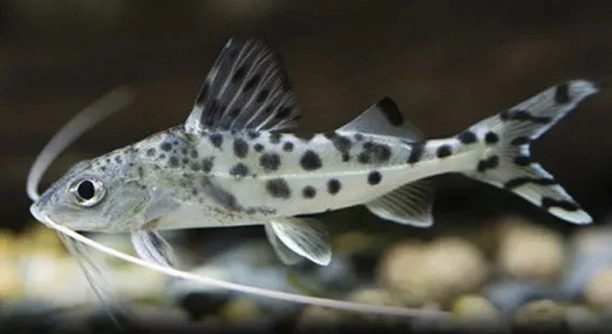
Buying a new pictus can feel exciting, yet it often comes with many considerations. Whether it’s for your aquarium or a collection, understanding what to look for is important. Making the right choice requires some careful thought beforehand.
Before purchasing a new pictus, it is essential to evaluate factors such as size, health condition, tank compatibility, water requirements, and source reliability. These aspects ensure the well-being of the fish and the success of its integration into your environment.
Knowing these questions will help you make a more informed decision and create a better experience for your new pictus. This guide breaks down the most important points to consider before buying.
Understanding the Ideal Tank Size for Pictus
Pictus catfish need enough space to swim comfortably and avoid stress. A tank that is too small can limit their movement and cause health problems over time. Generally, a minimum of 30 gallons is recommended for a small group of pictus, as they are active swimmers and enjoy hiding places. They prefer tanks with plenty of swimming room and clean water. Overcrowding can lead to aggression or poor water quality, which affects their well-being. It is also important to consider the tank’s shape and décor to provide a natural environment. Smooth substrates and hiding spots like caves or plants help pictus feel secure. Proper filtration and regular water changes maintain ideal water conditions, supporting their health. Before buying, ensure you have the right size tank and equipment to meet these needs. This preparation will help your pictus thrive in their new home.
A suitable tank size supports pictus’ activity and reduces stress. A 30-gallon tank or larger is ideal for keeping them healthy and happy.
Choosing the right tank size means more than just volume. It’s about creating a balanced environment where pictus can swim freely and hide when needed. Larger tanks reduce waste buildup, improving water quality. They also allow for better social interaction among multiple fish, which pictus prefer. Planning the tank layout with smooth gravel or sand avoids injury, as pictus have sensitive barbels. Adding driftwood and plants mimics their natural habitat and helps reduce stress. Consistent maintenance keeps the water stable, preventing diseases. Considering these factors before buying a pictus ensures you provide a safe, comfortable space that matches their needs. This effort leads to a healthier, longer life for your fish and a more enjoyable aquarium experience.
Checking the Health and Condition of Pictus Before Purchase
It is important to inspect pictus carefully before buying. Look for clear eyes, intact fins, and smooth scales. Avoid fish that show signs of illness or injury.
Healthy pictus are active and alert. They should swim easily and respond to movement outside the tank. Look for clean, unclouded eyes and no visible damage to fins or body. Check for signs of parasites or fungus, such as white spots or fuzzy patches. Their barbels should be intact and not frayed. A healthy fish will have consistent breathing and no abnormal swelling. Observing behavior helps spot issues early, avoiding unhealthy fish that might cause problems later. When possible, ask about their source and how they were cared for. Proper handling during transport also affects their condition. Taking time to check these details helps ensure you bring home a strong, vibrant pictus ready to adapt to your aquarium.
Buying a healthy pictus starts with a close visual and behavioral inspection to avoid future health problems and stress.
Water Conditions and Compatibility
Pictus catfish thrive in clean, well-oxygenated water with stable parameters. They prefer a temperature range between 72°F and 79°F and a pH level around 6.5 to 7.5. Sudden changes in water quality can stress them and lead to illness.
Maintaining proper water conditions is essential for pictus health. They need strong filtration and regular water changes to keep ammonia and nitrite levels low. Pictus are sensitive to poor water quality, which can cause fin rot and other infections. Oxygenation is also important since they are active swimmers. Ensure your tank has good circulation and surface agitation. Monitoring water parameters with test kits helps catch problems early. Keeping a stable environment avoids stress and supports their immune system. These factors are key for their long-term survival.
Pictus catfish generally get along with peaceful, similarly sized fish. Avoid aggressive or overly territorial species that may stress or harm them. They prefer tank mates that occupy different levels of the aquarium, as pictus mainly swim near the bottom. Compatible species include tetras, barbs, and some cichlids. Avoid large predatory fish that could see pictus as food. Introducing compatible companions reduces stress and encourages natural behavior. Proper research on compatibility and observing interactions in a quarantine tank is recommended before permanent introduction.
Source and Sustainability Considerations
Choosing a reputable source ensures healthier fish and supports sustainable practices. Wild-caught pictus may carry diseases and have difficulty adapting, while captive-bred fish tend to be hardier. It’s important to understand where your fish comes from. Many stores or breeders provide details about their sourcing methods. Sustainable collection protects wild populations and their habitats. Buying from responsible breeders or retailers reduces environmental impact and promotes better animal welfare. It also increases the chance of receiving a healthy, well-cared-for fish. Supporting sustainable sources benefits both your aquarium and conservation efforts. Being mindful of the origin reflects a commitment to ethical fishkeeping.
Feeding Needs and Diet
Pictus catfish are omnivores and need a balanced diet. They enjoy sinking pellets, live or frozen foods, and occasional vegetables.
Feeding small amounts two to three times daily prevents overfeeding and keeps water quality stable.
Signs of Stress or Illness in Pictus
Changes in behavior or appearance may indicate stress or illness. Watch for lethargy, loss of appetite, or damaged fins.
Promptly addressing these signs helps prevent serious health issues and improves recovery chances.
Preparing Your Tank Before Introducing a Pictus
Ensure the tank is fully cycled and stable before adding pictus. Test water parameters for ammonia, nitrites, and nitrates.
A well-prepared tank reduces stress and supports the fish’s adjustment to its new environment. Regular monitoring after introduction is important.
Cost and Maintenance Expectations
Owning pictus involves ongoing costs like food, water treatments, and equipment upkeep. Maintenance includes regular cleaning and water changes.
FAQ
How often should I feed my pictus catfish?
Pictus catfish should be fed small amounts two to three times a day. Overfeeding can lead to poor water quality and health problems. Provide a mix of sinking pellets and occasional live or frozen foods to meet their nutritional needs. Remove uneaten food to avoid waste buildup in the tank.
Can pictus catfish live with other fish?
Yes, pictus are generally peaceful and can live with other non-aggressive fish that occupy different areas of the tank. Avoid keeping them with large predatory species or very small fish that might be mistaken for food. Ideal tank mates include tetras, barbs, and certain cichlids.
What tank size is best for pictus catfish?
A minimum of 30 gallons is recommended for a small group of pictus catfish. They are active swimmers and need plenty of space to move around comfortably. Larger tanks allow better water quality and reduce stress by providing adequate territory and hiding spots.
How can I tell if my pictus catfish is healthy?
Healthy pictus have clear eyes, intact fins, smooth scales, and active behavior. Watch for consistent breathing and no signs of spots, wounds, or frayed barbels. A healthy fish will respond to movement outside the tank and swim easily without lethargy.
What water conditions do pictus catfish prefer?
Pictus catfish thrive in clean, well-oxygenated water with a temperature between 72°F and 79°F. The pH should be slightly acidic to neutral, around 6.5 to 7.5. Strong filtration and regular water changes help maintain stable parameters and reduce stress.
Are pictus catfish nocturnal?
Pictus catfish are primarily nocturnal but can be active during the day, especially in well-lit tanks with hiding places. They tend to be more active during dawn and dusk when they forage for food. Providing shaded areas and hiding spots helps them feel secure.
Do pictus catfish need live plants in their tank?
While live plants are not essential, they improve the tank environment by providing hiding spots and helping maintain water quality. Pictus appreciate plants like Java fern or Anubias, which do not require much maintenance and have sturdy leaves that won’t be easily disturbed.
How often should I perform water changes for pictus catfish?
Weekly water changes of 20 to 30 percent are ideal to keep the water clean and healthy. Regular maintenance removes toxins and helps maintain stable water parameters. Always treat new water to remove chlorine and adjust temperature before adding it to the tank.
Can pictus catfish jump out of the tank?
Yes, pictus catfish are known to jump, especially if stressed or startled. It is important to keep a secure lid on the tank to prevent escapes. Providing hiding places and maintaining stable water conditions can reduce their stress and jumping behavior.
How long do pictus catfish typically live?
With proper care, pictus catfish can live between 8 and 10 years. Good water quality, a balanced diet, and a stress-free environment contribute to their longevity. Regular health checks help catch problems early and ensure a long, healthy life.
What should I do if my pictus catfish shows signs of illness?
Isolate the sick fish to prevent spreading disease. Check water quality immediately and correct any issues. Consult a veterinarian or aquatic specialist for proper diagnosis and treatment. Early action increases chances of recovery and protects other tank inhabitants.
Are pictus catfish difficult to care for?
Pictus catfish require moderate care. They need stable water conditions, a suitable tank size, and a balanced diet. While not beginner-level fish, they can adapt well if their basic needs are met and the environment is regularly maintained.
Is it better to buy captive-bred or wild-caught pictus?
Captive-bred pictus are generally healthier and adapt better to aquarium life. Wild-caught fish may carry diseases and are more stressed from capture and transport. Choosing captive-bred fish supports sustainable practices and increases the chance of a successful acclimation.
What equipment is essential for keeping pictus catfish?
A good quality filter, heater, and proper lighting are essential. A secure lid prevents jumping escapes. Smooth substrate and hiding places like caves or driftwood provide comfort. Test kits for monitoring water parameters are important to maintain a stable environment.
Can pictus catfish be bred in captivity?
Breeding pictus catfish in captivity is challenging and rare. They require very specific water conditions and environmental triggers. Most hobbyists purchase juveniles rather than attempt breeding. If interested, extensive research and careful preparation are necessary.
Final Thoughts
Buying a pictus catfish is a commitment that requires thoughtful preparation. These fish are active and social, needing ample space and clean water to thrive. Making sure you have a suitable tank setup with proper filtration and regular maintenance will help prevent many common problems. It is important to understand their specific needs before bringing them home. This includes their preferred water temperature, pH levels, and diet. Meeting these needs ensures they stay healthy and live longer. Careful consideration of tank size and tank mates also plays a big role in their well-being.
Choosing a healthy pictus from a trustworthy source is just as important as preparing the tank. Inspect the fish for clear eyes, intact fins, and active swimming. Avoid fish that look lethargic or show signs of illness. Captive-bred pictus tend to adapt better to aquarium life and have fewer health issues compared to wild-caught ones. Supporting responsible breeders also helps protect wild populations. Once you have your pictus at home, keep a close eye on their behavior and water quality. Early detection of any problems can save your fish from serious health issues.
Owning pictus catfish can be rewarding if you provide the right environment and care. They are graceful swimmers and add activity to the bottom of the tank. Understanding their feeding habits and avoiding overfeeding will keep your aquarium clean and healthy. Remember that these fish require moderate care and commitment. Preparing your tank properly, selecting healthy fish, and maintaining stable water conditions are key steps to success. With attention to detail and consistency, your pictus catfish can become a lively and lasting part of your aquarium.

Hello,
If you enjoy the content that we create, please consider saying a "Thank You!" by leaving a tip.
Every little bit helps us continue crafting quality advice that supports the health, happiness, and well-being of pets around the world, for pets of all shapes, sizes, and species.
We really appreciate the kindness and support that you show us!