
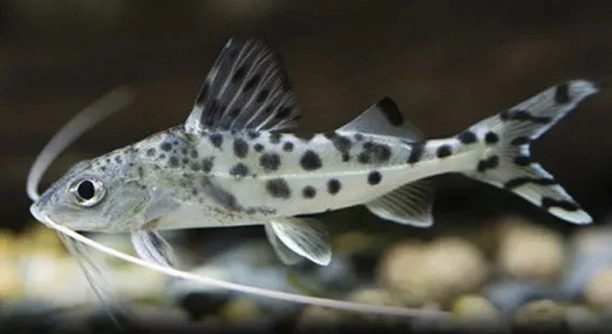
Timid Pictus catfish are gentle and shy fish that require patience and understanding. Building a connection with them can make your aquarium experience more enjoyable. These fish often hide but respond well to calm, consistent care.
Bonding with a timid Pictus catfish involves creating a peaceful environment, offering regular feeding at predictable times, and minimizing sudden movements. Over time, consistent interaction helps the fish become more comfortable and responsive to your presence.
Learning how to bond with your Pictus catfish improves both your enjoyment and their well-being in the tank. The following steps will guide you in creating a trusting relationship with this delicate species.
Creating a Calm Environment for Your Pictus Catfish
Timid Pictus catfish thrive in calm and stable surroundings. Sudden movements, loud noises, or bright lighting can cause stress, making them hide more often. Providing plenty of hiding places, like caves or plants, helps them feel secure. It is important to maintain consistent water conditions, including temperature and pH levels, to avoid unnecessary stress. A well-filtered tank with gentle water flow will suit their needs best. Minimizing disturbances around the tank encourages your catfish to become more comfortable over time. Keeping the aquarium in a quiet area away from heavy foot traffic or loud appliances will also support their sense of safety. Observing your fish from a distance at first allows them to get used to your presence without feeling threatened.
Maintaining a peaceful tank environment improves your Pictus catfish’s willingness to interact and reduces their natural timidity.
A calm environment forms the foundation for bonding by reducing stress and helping the fish feel safe. Once the tank is set up to meet these needs, your focus can shift to consistent feeding and gentle interactions that build trust.
Feeding Habits That Encourage Interaction
Feeding your Pictus catfish at regular times establishes a routine that they learn to anticipate. Offering food gently and in small amounts prevents competition and stress among tank mates. It is best to use sinking pellets or wafers that suit their bottom-feeding nature. Avoid overfeeding, as leftover food can deteriorate water quality and harm your fish. Observing their response to feeding times helps you gauge their comfort level with your presence. Slowly approaching the tank before feeding, rather than sudden motions, signals calmness. Over time, your catfish may start associating your actions with food and become less shy. You might even notice them coming closer when you approach. This gradual process strengthens the bond and makes interactions more rewarding.
Regular feeding routines combined with careful observation and gentle movements promote a trusting relationship. Consistency and patience are key to helping your timid Pictus catfish become comfortable around you.
Gentle Interaction and Observation
Approach your Pictus catfish slowly to avoid startling it. Watching quietly from a distance helps you learn its habits without causing stress.
Consistent gentle movements near the tank help your catfish recognize you as a non-threat. Avoid tapping the glass or sudden hand motions. Talking softly can also have a calming effect. Spending time near the tank daily allows the fish to adjust to your presence gradually. Over time, this familiarity builds confidence and reduces fear.
Observe how your catfish behaves during feeding or rest. Note which hiding spots it prefers and how it reacts to light changes. This knowledge helps tailor your care to meet its needs. When your catfish begins to swim closer or shows curiosity, it indicates growing trust and comfort with your interaction.
Providing Enrichment to Encourage Activity
Adding natural decorations like smooth rocks and plants gives your Pictus catfish places to explore and hide. Enrichment stimulates natural behaviors and reduces boredom. It is important that decorations do not have sharp edges to prevent injury. Changing the tank layout occasionally offers new environments without disrupting stability. This keeps the fish engaged and less timid. Regularly introducing safe enrichment items encourages your catfish to be more active and interactive. Enrichment also supports their mental well-being and physical health. Observing their exploration helps you understand their comfort level and personality more clearly.
Recognizing Signs of Comfort
A Pictus catfish that feels secure will swim more openly and explore its surroundings. It may rest near the front of the tank and respond calmly to your presence.
Timid behaviors like hiding or darting away indicate the fish is still adjusting. Patience and consistent care are essential during this phase.
Building Trust Through Routine
Regular maintenance routines like cleaning and feeding at consistent times help your Pictus catfish feel safe. Predictability reduces stress and creates a stable environment. Avoid sudden changes to the tank or your behavior around it. When the fish begins to recognize your actions, it builds trust. Small gestures, such as approaching the tank gently and talking quietly, encourage calm responses. Over weeks, these routines can transform a shy fish into one that interacts more confidently. Consistent care combined with respect for their cautious nature is key to deepening your bond.
Avoiding Stress Triggers
Minimize loud noises and sudden movements near the tank to keep your Pictus catfish calm.
How long does it take for a Pictus catfish to get comfortable with its owner?
Getting a timid Pictus catfish comfortable can take several weeks to a few months. This depends on the fish’s individual personality and the consistency of your care. Patience is important, as rushing interactions or making sudden changes can increase stress. A calm environment, regular feeding, and gentle presence encourage the fish to slowly build trust. Over time, the catfish will start to swim closer to the front of the tank and show less fear.
What are the best foods to feed a Pictus catfish?
Pictus catfish prefer sinking pellets or wafers designed for bottom feeders. They also enjoy live or frozen foods such as bloodworms, brine shrimp, and daphnia. Providing a varied diet supports their health and encourages natural foraging behaviors. Feeding should be done once or twice daily in small amounts to avoid leftover food, which can harm water quality.
Can I handle a Pictus catfish directly?
It is best to avoid handling Pictus catfish directly. Their delicate bodies and barbels are sensitive and can be easily damaged. Instead, use a net or container when moving them for cleaning or tank maintenance. Handling can cause unnecessary stress and should only be done when absolutely necessary.
How do I know if my Pictus catfish is stressed?
Signs of stress include constant hiding, erratic swimming, loss of appetite, or pale coloration. Stress often results from poor water conditions, sudden changes, or overcrowding. Regular water testing and tank maintenance help prevent these problems. Reducing noise and sudden movements near the tank also lowers stress levels.
Is it okay to have other fish with a timid Pictus catfish?
Yes, but tank mates should be peaceful and non-aggressive. Avoid large or overly active fish that may intimidate your Pictus catfish. Suitable companions include other calm community fish of similar size. Make sure the tank is large enough to provide hiding spaces and reduce competition.
How often should I clean the tank to keep my Pictus catfish healthy?
Partial water changes of about 20-25% should be done weekly or biweekly depending on tank size and stocking levels. Regular cleaning of substrate and filter helps maintain good water quality. Avoid drastic changes that can shock your fish.
Can Pictus catfish recognize their owner?
While they don’t recognize owners like mammals, Pictus catfish can become familiar with your presence and associate you with feeding. Over time, they may respond calmly when you approach the tank.
What lighting is best for timid Pictus catfish?
Moderate, dim lighting is ideal. Bright lights can stress these shy fish. Providing shaded areas or floating plants can help create a natural environment and reduce light intensity.
Should I talk to my Pictus catfish?
Speaking softly near the tank can be calming and help your fish get used to your presence. It does not understand words but learns to associate gentle sounds with a non-threatening environment.
What is the best tank size for a Pictus catfish?
A minimum of 30 gallons is recommended. These active fish need space to swim and hide. A larger tank also helps maintain stable water conditions.
How do I encourage my Pictus catfish to come out of hiding?
Maintain a calm environment with plenty of hiding spots. Feed regularly and avoid sudden movements. Gradual gentle interaction over weeks helps them feel safe enough to explore more openly.
Can Pictus catfish live with plants?
Yes, they do well with live plants that offer hiding places and help maintain water quality. Choose sturdy plants that won’t be uprooted easily by the fish’s activity.
What water parameters are best for Pictus catfish?
They prefer a temperature between 72-79°F (22-26°C), a pH around 6.5-7.5, and soft to moderately hard water. Keeping these parameters stable supports their health and reduces stress.
How do I tell if my Pictus catfish is healthy?
Healthy fish are active during feeding times, have clear eyes, intact fins, and smooth skin without sores. They show natural swimming behavior and respond calmly to their environment.
Can sudden tank changes harm a timid Pictus catfish?
Yes, sudden changes in water temperature, chemistry, or tank setup can cause severe stress. Introduce changes gradually and monitor your fish closely afterward.
Are Pictus catfish nocturnal?
They are mostly nocturnal but can be active during the day if they feel safe. Providing shaded areas allows them to rest during daylight hours.
This FAQ provides essential information to support the well-being of timid Pictus catfish while encouraging bonding through proper care and patience.
Bonding with a timid Pictus catfish requires patience and gentle care. These fish naturally prefer to stay hidden and avoid sudden movements, so it is important to create a calm and secure environment for them. Providing plenty of hiding places, stable water conditions, and minimizing noise near the tank all help the fish feel safe. Over time, this sense of safety encourages the catfish to explore more openly and gradually become comfortable around you. The process cannot be rushed, but consistent effort leads to better interaction.
Feeding routines also play a major role in building trust with a timid Pictus catfish. Offering food at regular times and in small amounts helps the fish learn to associate your presence with positive experiences. Using sinking pellets or live foods suited for their diet supports their health and encourages natural behaviors. It is important to approach the tank slowly and avoid sudden movements during feeding to reduce stress. As your catfish begins to respond calmly, this establishes a foundation for stronger bonding and enjoyable aquarium keeping.
In addition to environment and feeding, gentle interaction is key. Spending quiet time near the tank without sudden actions allows the fish to recognize you as non-threatening. Talking softly or moving calmly around the aquarium helps your Pictus catfish adjust. Observing their behavior closely gives insight into their comfort level and preferences. Adding natural decorations or plants offers enrichment that promotes activity and reduces boredom. With patience and consistent care, a timid Pictus catfish can become a more confident and engaging companion in your aquarium.

Hello,
If you enjoy the content that we create, please consider saying a "Thank You!" by leaving a tip.
Every little bit helps us continue crafting quality advice that supports the health, happiness, and well-being of pets around the world, for pets of all shapes, sizes, and species.
We really appreciate the kindness and support that you show us!