
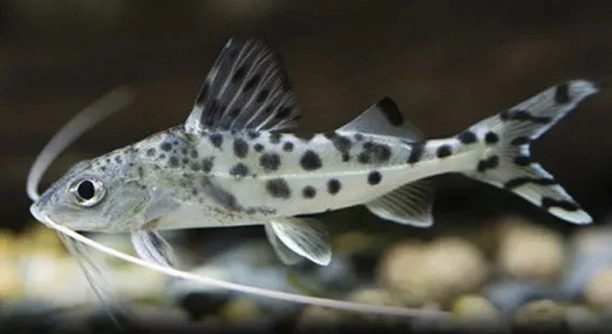
Pictus catfish are popular freshwater fish known for their active nature and striking appearance. Many owners focus on water quality and diet but often overlook the role of lighting. Proper lighting can impact their behavior and overall well-being.
Poor lighting conditions can negatively affect pictus catfish by disrupting their natural activity patterns and causing stress. Inadequate light may reduce their feeding response and hide their natural colors, leading to weakened health over time. Maintaining suitable lighting is essential for their care.
Lighting is one of several key factors in ensuring pictus catfish remain healthy and vibrant. Understanding how light affects them will help you create a better environment for these lively fish.
How Lighting Affects Pictus Catfish Behavior
Lighting plays a significant role in how pictus catfish behave in their aquarium. These fish are naturally nocturnal and prefer dim or subdued lighting. When exposed to bright or constant light, they may become stressed and hide more often. Stress from improper lighting can lower their immune system, making them more susceptible to disease. Additionally, too little light can affect their ability to find food, as they rely partly on vision to hunt. A balanced lighting schedule that mimics their natural environment helps keep them active and healthy. Using a timer to provide consistent day and night cycles supports their internal rhythms and promotes normal behavior. Soft lighting or shaded areas in the tank can also give pictus catfish a place to retreat if the environment feels too bright.
Adjusting the light intensity and duration can significantly improve your fish’s quality of life and reduce stress-related issues.
Providing the right lighting conditions is part of creating a stable habitat. Combining proper lighting with good water quality and appropriate tank mates ensures pictus catfish thrive. Avoid placing the tank in direct sunlight to prevent overheating and algae growth. Regular observation of your fish’s behavior will help you recognize if the lighting needs adjustment. Lighting changes can be gradual to avoid startling the fish. In the end, a well-lit tank that mimics natural cycles promotes healthy activity, coloration, and feeding habits in pictus catfish.
Signs of Poor Lighting in Pictus Catfish
Fish showing unusual hiding, faded colors, or lack of appetite may be suffering from poor lighting conditions.
Such signs often indicate stress or discomfort related to inadequate or excessive light exposure. If your pictus catfish seem lethargic or avoid open areas, reviewing your tank’s lighting setup is important. Balancing light intensity and ensuring proper dark periods can restore their natural behavior. Monitoring these changes will help maintain a healthy environment for your fish and prevent further issues.
Ideal Lighting Conditions for Pictus Catfish
Pictus catfish thrive best in low to moderate lighting that mimics their natural river habitats. Bright, harsh lights can cause stress and hiding, while very dim light may hinder their feeding habits.
Maintaining a lighting schedule of about 8 to 10 hours per day works well for these fish. Using LED lights with adjustable brightness is helpful for controlling the intensity. It’s also beneficial to create shaded areas in the tank using plants or decorations to give your catfish places to retreat. This approach balances light exposure and makes the environment more comfortable.
Avoid leaving the lights on continuously, as this can disrupt their natural rhythms. Using a timer ensures a consistent day and night cycle. By replicating natural light patterns, you help your pictus catfish stay active, healthy, and stress-free.
Adjusting Lighting to Prevent Stress
Stress from improper lighting can weaken your pictus catfish and reduce their lifespan. Noticing changes in activity or color may indicate stress.
Gradually adjusting light intensity helps the fish adapt without shock. Avoid sudden, drastic changes, and introduce new lighting conditions slowly over days or weeks. Observing your catfish during this time will show whether they are becoming more comfortable. Provide plenty of hiding spots so they can escape light when needed.
Proper lighting combined with stable water conditions reduces stress and improves overall health. Consistent lighting routines help maintain their natural behavior and feeding cycles, ensuring your pictus catfish live a balanced, long life.
Common Lighting Mistakes to Avoid
Too much bright light can stress pictus catfish, causing them to hide constantly. On the other hand, keeping the tank too dark limits their activity and feeding.
Avoid placing the aquarium near direct sunlight, which can cause temperature fluctuations and algae growth. Consistent lighting schedules are key to preventing these issues.
Impact of Lighting on Coloration
Lighting directly influences the vibrancy of pictus catfish colors. Proper light enhances their natural silver and spotted patterns, making them more visible and attractive. Without enough light, their colors may appear dull or faded, signaling potential health concerns.
Using Natural vs. Artificial Lighting
Natural sunlight is unpredictable and often too intense for aquariums. Artificial lighting allows better control over brightness and duration, creating a stable environment for pictus catfish. Opt for LED or fluorescent lights designed for freshwater tanks to ensure balanced illumination.
Monitoring Your Fish’s Response
Watch your pictus catfish regularly for changes in behavior or appearance. These signs help you adjust the lighting to suit their needs and keep them comfortable.
FAQ
Can poor lighting cause health problems in pictus catfish?
Yes, poor lighting can contribute to stress in pictus catfish, which may weaken their immune system and make them more prone to illnesses. Constant bright light or a lack of proper dark periods disrupts their natural rhythms. This stress can lead to reduced appetite, lethargy, and increased susceptibility to diseases.
How much light do pictus catfish need daily?
Pictus catfish generally do well with about 8 to 10 hours of light each day. This mimics their natural environment, where day and night cycles are consistent. Using a timer helps maintain a steady schedule, preventing stress from irregular lighting periods.
Is it better to use natural or artificial light?
Artificial lighting is preferred because it offers better control over intensity and duration. Natural sunlight can be too strong, cause temperature swings, and promote algae growth. LED lights designed for freshwater tanks provide a balanced light source that supports fish health without these risks.
What kind of lighting is ideal for pictus catfish?
Low to moderate intensity lighting is best. Bright lights should be avoided because they can stress the fish. Soft LED lights with adjustable brightness levels work well. Adding plants or decorations creates shaded spots where the fish can retreat if the light feels too strong.
Can lighting affect the behavior of pictus catfish?
Yes, lighting has a strong effect on their behavior. Pictus catfish are nocturnal and prefer dim lighting, so bright light often causes them to hide. Proper lighting encourages natural activity and feeding patterns, helping them stay healthy and active.
How do I know if my pictus catfish is stressed from lighting?
Signs include hiding more than usual, faded coloration, lack of appetite, and lethargy. If you notice these changes after altering your lighting setup, the fish may be stressed. Adjusting the light intensity or duration gradually often helps restore normal behavior.
Can sudden changes in lighting harm pictus catfish?
Yes, sudden lighting changes can startle and stress pictus catfish. Any adjustments should be done slowly over several days to allow the fish to adapt. Using a timer helps keep lighting changes consistent and predictable.
Does lighting affect feeding in pictus catfish?
Yes, lighting influences their ability to locate food since pictus catfish rely partly on vision. Too little light can make it hard for them to find food, while too much light may cause stress and reduce feeding. Balanced lighting supports healthy eating habits.
Are there any specific plants that help regulate lighting in a pictus catfish tank?
Yes, live plants like Java fern, Anubias, and Amazon sword provide shaded areas and help diffuse light. These plants also contribute to water quality and give pictus catfish places to hide, reducing stress caused by bright lighting.
How important is a dark period for pictus catfish?
A dark period is very important as it replicates nighttime and allows the fish to rest. Continuous lighting can disrupt their internal clock, causing stress and health issues. Aim for about 14 to 16 hours of darkness each day to maintain natural rhythms.
Proper lighting is an important aspect of caring for pictus catfish. These fish are naturally adapted to environments with soft, dim light and distinct day and night cycles. Maintaining a balanced lighting schedule in the aquarium helps keep them active and healthy. Too much bright light can cause stress and hiding behavior, while too little light can make it difficult for them to find food. By paying attention to the lighting in your tank, you can create a comfortable space that meets their natural needs.
Using a timer to control the length and intensity of light exposure is an effective way to maintain a consistent environment. Providing about 8 to 10 hours of light daily, with the rest of the day in darkness, mimics their natural habitat. Soft LED lighting with adjustable brightness is a good option for controlling how much light your pictus catfish receive. Adding plants or decorations to create shaded areas offers a retreat if the fish feel overwhelmed. These small adjustments contribute to reducing stress and promoting normal behavior.
It is important to observe your pictus catfish regularly and watch for any changes in their behavior or appearance. Signs such as excessive hiding, faded colors, or lack of appetite may indicate that the lighting needs to be adjusted. Making gradual changes to lighting conditions prevents sudden stress and helps the fish adapt smoothly. Combined with proper water quality and tank maintenance, appropriate lighting ensures your pictus catfish live a long, healthy, and active life in your aquarium.

Hello,
If you enjoy the content that we create, please consider saying a "Thank You!" by leaving a tip.
Every little bit helps us continue crafting quality advice that supports the health, happiness, and well-being of pets around the world, for pets of all shapes, sizes, and species.
We really appreciate the kindness and support that you show us!