
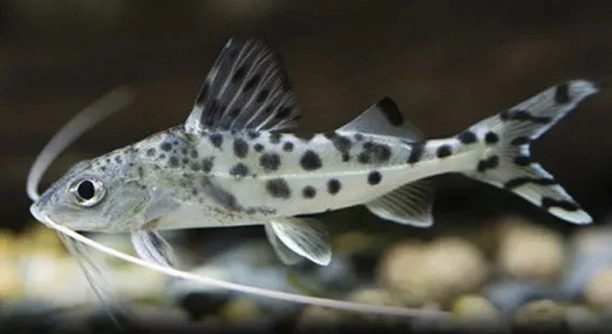
Pictus catfish are popular freshwater fish known for their peaceful nature and unique appearance. Many aquarium owners enjoy keeping them because they add life and activity to the tank. However, these fish can experience environmental stress that affects their health.
Environmental stress in pictus catfish can be identified by seven key signs, including changes in behavior, physical appearance, and appetite. Recognizing these signs early is crucial for maintaining their well-being and preventing long-term harm in captive environments.
Knowing these signs will help you provide a better home for your pictus catfish. It is important to keep their environment stable and comfortable for their health and happiness.
Changes in Swimming Behavior
When pictus catfish feel stressed, their swimming habits often change noticeably. They may swim more erratically or become unusually still, hiding in corners or staying near the bottom of the tank. Normally active and curious, stressed catfish lose their usual energy. You might also see them swimming near the surface more often, which can indicate poor water quality or low oxygen levels. These changes can happen suddenly and may signal that something in their environment is wrong. Monitoring your fish’s swimming patterns helps you catch problems early before they get worse. Maintaining clean water and a calm environment is essential to keep them comfortable and healthy.
Swimming changes can be a clear sign your pictus catfish is under stress and needs attention.
Recognizing altered swimming behavior allows you to respond quickly. Adjusting water parameters, checking for tank overcrowding, and reducing sudden noises or light changes can help your catfish regain normal activity. This improves their comfort and reduces stress-related health risks.
Loss of Appetite
Loss of appetite is common in stressed pictus catfish. When these fish stop eating or eat less than usual, it can signal that their environment is uncomfortable or unsafe. Stress can result from poor water quality, sudden temperature changes, or inappropriate tank mates. A healthy pictus catfish should eagerly accept food during feeding times. If they ignore food, it may lead to weakness and make them more vulnerable to disease. Sometimes, the stress is temporary, and appetite returns after conditions improve. However, prolonged loss of appetite requires prompt action. Testing water and observing the tank setup can help identify and fix problems, ensuring your fish get the nutrition they need.
Proper diet and feeding routines are essential for pictus catfish health.
Making sure your fish receive balanced, high-quality food supports their immune system. Feed small amounts multiple times a day instead of large meals. Keep an eye on their eating habits regularly to spot any issues early. Avoid overfeeding, which can cause water pollution and increase stress. With proper care, you can help your pictus catfish maintain a healthy appetite and thrive in their aquarium home.
Clamped Fins
Clamped fins are a clear sign of stress in pictus catfish. When their fins stay close to the body instead of spreading out, it means they are uncomfortable or unwell.
This behavior often occurs due to poor water quality, sudden temperature shifts, or aggressive tank mates. Clamped fins reduce a fish’s ability to swim properly, which can lead to further health issues if not addressed. It also signals that the fish is trying to protect itself from harm or conserve energy during stressful conditions.
To help your catfish, check water parameters like pH, ammonia, and nitrite levels. Make sure the tank temperature is stable and within the right range for pictus catfish. Also, observe tank mates for any bullying or aggression. Creating a calm and safe environment encourages your catfish to relax and open its fins naturally.
Rapid Gill Movement
Rapid gill movement often indicates that pictus catfish are stressed or struggling to breathe. It usually means the water is low in oxygen or has harmful chemicals.
Poor oxygen levels in the tank can come from overcrowding, inadequate filtration, or lack of water circulation. When oxygen is low, fish breathe faster to get enough air, which tires them quickly. Additionally, pollutants such as ammonia or nitrite can irritate their gills, causing similar symptoms. Rapid gill movement is a sign that immediate changes are needed to improve water quality.
Improving aeration with air stones, performing regular water changes, and reducing tank population can help restore proper oxygen levels. Testing water quality regularly is key to preventing this issue. Keeping the tank clean and balanced allows your pictus catfish to breathe comfortably and stay healthy.
Dull or Faded Colors
Dull or faded colors in pictus catfish usually show stress or poor health. Healthy catfish have vibrant colors that fade when they feel unwell or stressed.
Fading can be caused by poor water conditions, inadequate diet, or long-term stress. Improving these factors often restores their natural colors.
Hiding More Than Usual
When pictus catfish start hiding more than usual, it signals discomfort or fear. They may retreat to caves or plants, avoiding open spaces in the tank.
Hiding is often a response to stress from new tank mates, sudden changes, or poor water quality. Watching this behavior closely helps identify problems early.
Rapid Weight Loss
Rapid weight loss in pictus catfish is a serious concern. It usually means they are not eating enough or are suffering from illness caused by stress or poor conditions. Immediate care and water quality checks are necessary.
What causes environmental stress in pictus catfish?
Environmental stress in pictus catfish is usually caused by poor water quality, sudden temperature changes, overcrowding, and incompatible tank mates. Other factors include inadequate hiding spots and improper diet. Any changes in their habitat that affect comfort or safety can trigger stress.
How can I improve water quality for my pictus catfish?
To improve water quality, perform regular water changes—about 20-30% weekly is ideal. Use a good filtration system to remove waste and toxins. Test water frequently for ammonia, nitrites, nitrates, and pH levels, keeping parameters within safe ranges for pictus catfish. Avoid overfeeding to prevent excess waste.
Why do pictus catfish hide so much?
Pictus catfish hide more when they feel threatened or stressed. This can happen due to aggressive tank mates, sudden changes in light or noise, or poor water conditions. Providing plenty of hiding spots like plants and caves helps them feel secure.
What signs show my pictus catfish is stressed?
Common signs include clamped fins, dull colors, loss of appetite, rapid gill movement, erratic swimming, and hiding. Sometimes they also show rapid weight loss or stay still for long periods. Watching your fish closely can help detect these changes early.
Can stress cause illness in pictus catfish?
Yes, stress weakens the immune system, making pictus catfish more vulnerable to infections and diseases. Chronic stress can lead to bacterial, fungal, or parasitic infections. Keeping the environment stable reduces the risk of illness.
How often should I feed my pictus catfish?
Feed small amounts two to three times daily. Pictus catfish prefer a varied diet, including sinking pellets, live or frozen foods like bloodworms and brine shrimp. Avoid overfeeding, as leftover food pollutes the water and increases stress.
Are temperature changes harmful to pictus catfish?
Sudden temperature changes can stress pictus catfish and cause health problems. Maintain a stable temperature between 72°F and 78°F (22°C to 26°C). Use a reliable aquarium heater and thermometer to monitor and control temperature fluctuations.
What tank mates are suitable for pictus catfish?
Choose peaceful, similarly sized fish as tank mates to avoid aggression. Avoid large or aggressive species that may bully or stress pictus catfish. Ideal companions include tetras, rasboras, and corydoras catfish.
How can I tell if the water has low oxygen?
Rapid gill movement and frequent gasping near the surface indicate low oxygen levels. Improving aeration with air stones or better filtration helps increase oxygen. Regular water changes also support healthy oxygen levels.
Is tank size important for reducing stress?
Yes, a spacious tank reduces stress by providing enough room for swimming and hiding. A minimum of 30 gallons is recommended for pictus catfish. Overcrowding increases waste and competition, raising stress levels.
What should I do if my pictus catfish shows signs of stress?
First, test and improve water quality. Check temperature, pH, ammonia, nitrites, and nitrates. Remove aggressive tank mates or add more hiding places. Adjust feeding routines and reduce sudden changes in lighting or noise. If problems persist, consult a vet or aquarium specialist.
Can stress signs in pictus catfish be reversed?
Yes, many stress signs can be reversed with prompt action. Improving water quality, stabilizing the environment, and ensuring proper care help pictus catfish recover. Some physical changes like color fading may take time to return to normal.
Are there any long-term effects of stress on pictus catfish?
Long-term stress can cause weakened immunity, stunted growth, and chronic diseases. It reduces lifespan and lowers overall well-being. Consistent care and a stable environment are key to preventing lasting damage.
How important is regular tank maintenance for pictus catfish health?
Regular maintenance is crucial. It keeps water clean and stable, reduces harmful chemicals, and prevents disease. Cleaning the substrate, filters, and decorations, along with scheduled water changes, creates a healthy environment where pictus catfish can thrive.
Can changing the tank setup reduce stress?
Yes, rearranging the tank to include more hiding spots, plants, and gentle water flow can reduce stress. Avoid frequent or drastic changes, as these can upset the fish. Small, thoughtful adjustments improve comfort and security.
Pictus catfish are fascinating and peaceful fish that bring life to any freshwater aquarium. Like all living creatures, they can experience stress when their environment is not ideal. Recognizing the signs of environmental stress is important to help them stay healthy and comfortable. Stress can affect their behavior, appearance, and overall well-being. By paying close attention to changes such as clamped fins, loss of appetite, or unusual hiding, aquarium keepers can take quick steps to improve conditions. A stable and clean environment is key to preventing many stress-related problems.
Maintaining good water quality is one of the most important things for pictus catfish. Regular water testing and water changes keep harmful chemicals low and oxygen levels high. It also helps to keep the temperature steady and suitable for the fish. Providing enough space and the right tank mates reduces competition and fear. Adding hiding places such as plants and decorations gives the catfish a sense of security. Feeding them a balanced diet in the right amounts supports their immune system and energy. These simple actions go a long way toward keeping pictus catfish happy and healthy.
Stress can lead to serious health issues if left unaddressed, but most signs can be reversed with proper care. Early detection and quick adjustments create a safer environment for your fish. Observing your pictus catfish regularly allows you to notice small changes before they become big problems. Taking time to learn about their needs and behaviors is helpful for any aquarium owner. With attention and effort, pictus catfish can live longer, healthier lives, showing their natural beauty and lively personalities. Creating the right home for your fish benefits both them and your enjoyment of the aquarium.

Hello,
If you enjoy the content that we create, please consider saying a "Thank You!" by leaving a tip.
Every little bit helps us continue crafting quality advice that supports the health, happiness, and well-being of pets around the world, for pets of all shapes, sizes, and species.
We really appreciate the kindness and support that you show us!