
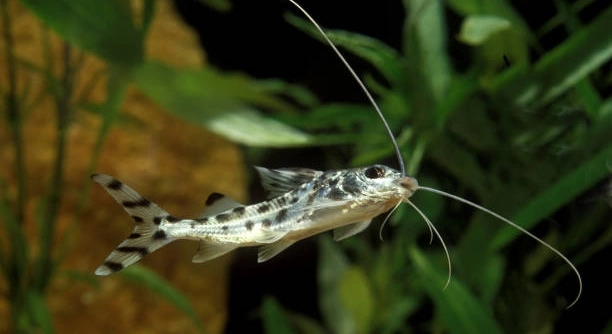
Many aquarium owners want to create a tank environment that feels natural for their fish and plants. Mimicking natural habitats can help keep aquatic life healthy and comfortable. Small adjustments in tank conditions can make a big difference.
Seven key tank conditions closely resemble natural habitats, including water temperature, pH levels, lighting, substrate type, water flow, hiding spaces, and plant choices. Each factor plays an important role in replicating the environment fish would experience in the wild.
Understanding these conditions can improve your tank setup and promote healthier aquatic life. These details will help you create a balanced, natural-feeling habitat for your fish and plants.
Water Temperature and Stability
Maintaining the right water temperature is crucial for creating a natural habitat in your tank. Different fish species come from environments with specific temperature ranges, so matching those conditions helps reduce stress and supports healthy metabolism. Sudden temperature changes can cause illness or weaken the immune system. Using a reliable heater and thermometer ensures the water stays stable. It’s also important to avoid placing the tank near windows or heat sources that could cause fluctuations. Consistency in temperature promotes natural behavior and encourages feeding and activity patterns similar to those seen in the wild.
Stable temperature helps fish stay healthy and active.
To mimic natural temperature, research the native environment of your fish species and aim to keep the tank water within that range. Avoid sudden shifts by monitoring the tank regularly. When introducing new water, make sure it matches the existing temperature. This careful control creates a comfortable environment that supports growth and natural routines, reducing stress and helping fish thrive.
pH Levels and Water Chemistry
Balancing pH levels is essential for a natural tank habitat. Fish and plants thrive best in the water chemistry they evolved in. Most freshwater fish prefer a pH between 6.5 and 7.5, but this varies by species. Testing the water regularly helps maintain the correct pH. Adjusting pH with natural methods, like driftwood or certain minerals, supports a healthy ecosystem. Keeping pH stable prevents stress and illness.
Proper pH keeps aquatic life balanced.
Fish living in water with the right pH exhibit more natural behavior and better health. Water chemistry also includes hardness and mineral content, which affect fish wellbeing. Using natural substrates and water conditioners designed for specific species can replicate native conditions. Changes in water chemistry should be gradual to avoid shocking the fish. When done correctly, maintaining proper pH and chemistry encourages natural feeding habits, breeding behaviors, and overall vitality in your tank inhabitants.
Lighting Conditions
Lighting in a tank should mimic the natural day and night cycle of the fish’s habitat. Too much or too little light can affect fish behavior and plant growth.
Natural light cycles help regulate fish activity and plant photosynthesis. Using timers can maintain consistent light periods, usually around 8 to 12 hours per day, depending on the species. Some fish come from shaded environments and need dimmer lighting, while others thrive in bright conditions. Choosing the right type and intensity of light supports the overall health of your aquarium’s ecosystem. Proper lighting also highlights the colors of fish and plants, making the tank more visually appealing.
Adjusting light intensity gradually during start-up or changes prevents stress in fish. Using LED lights with adjustable settings allows you to customize the lighting to fit the needs of your specific tank inhabitants. A balance between natural and artificial light creates a comfortable, familiar environment that encourages natural behavior and growth.
Substrate and Tank Layout
The choice of substrate is important for replicating natural conditions. Different fish prefer sand, gravel, or soil, depending on where they come from.
A natural substrate supports beneficial bacteria and provides a base for plants. It also offers hiding spots and foraging areas for bottom-dwelling fish. Choosing a substrate that matches the fish’s native environment helps keep water chemistry stable. Adding rocks, driftwood, and plants creates hiding places and territories, reducing stress and encouraging natural activity. A well-planned tank layout mimics riverbeds, lake bottoms, or ocean floors, making fish feel more at home.
Arranging the tank thoughtfully improves both fish health and aesthetics. Plants anchored in appropriate substrates grow better and contribute to oxygen levels. Decorations should be arranged to allow swimming space while offering shelter. Creating zones with different features, like caves or open swimming areas, replicates diverse natural habitats within the same tank. This helps fish display natural behaviors like hiding, exploring, or schooling, promoting a balanced and healthy environment.
Water Flow and Circulation
Water movement should reflect the natural habitat of the fish. Some species prefer slow, gentle currents, while others thrive in stronger flows.
Proper circulation helps distribute oxygen and nutrients evenly throughout the tank, supporting fish health and plant growth.
Hiding Spaces and Shelter
Providing adequate hiding spots is essential for reducing stress. Natural shelters include caves, plants, and driftwood. These areas allow fish to feel safe and display natural behaviors like resting or avoiding aggression.
Creating a variety of shelters mimics the protective features found in wild environments, encouraging well-being.
Plant Choices and Aquascaping
Using native or similar plants creates a familiar environment that supports fish health. Plants improve water quality by absorbing nitrates and provide shelter and breeding grounds. Selecting plants that suit the fish species’ natural habitat enhances the overall ecosystem balance.
Maintaining Natural Conditions
Consistent care and monitoring ensure that all tank conditions stay within natural ranges.
What are the most important factors to mimic a natural habitat in a tank?
The most important factors include water temperature, pH balance, lighting, substrate, water flow, hiding places, and plant choices. These conditions closely match what fish experience in the wild. By keeping these elements stable and appropriate for your species, you create a healthier environment that reduces stress and supports natural behaviors.
How do I know the right temperature for my fish tank?
Researching the natural habitat of your fish species is key. Tropical fish usually prefer temperatures between 75°F and 80°F, while coldwater species like goldfish do better around 65°F to 72°F. Use an accurate heater and thermometer to maintain consistent temperatures, avoiding sudden changes that can harm your fish.
Why is pH important, and how can I test it?
pH affects how fish absorb oxygen and nutrients. It also influences plant growth and bacteria health. Testing kits are affordable and simple to use. Test water weekly or before adding new fish. Adjust pH gradually with natural additives like driftwood or commercial pH stabilizers designed for aquarium use.
How can I provide proper lighting without stressing my fish?
Use timers to keep a consistent day and night cycle, typically 8 to 12 hours of light. Choose lighting intensity based on your fish and plants. Some fish prefer dim lighting, so avoid overly bright lights. Gradually increase or decrease lighting levels to help fish adjust comfortably.
What kind of substrate should I use?
Choose substrate based on the fish’s natural environment. Sand works well for bottom-dwellers who like to dig, while gravel suits fish that don’t disturb the bottom. Plant-friendly soil substrates promote healthy root growth. Clean the substrate gently to avoid disturbing beneficial bacteria.
How do I create hiding spaces for my fish?
Use natural materials like rocks, driftwood, and live or artificial plants to create shelters. Arrange these so fish have places to retreat and rest. Different species prefer different types of hiding spots, so observe your fish to see where they feel safest. Providing hiding places reduces stress and aggression.
Can plants really improve water quality?
Yes. Live plants absorb harmful nitrates and produce oxygen, which improves water quality. They also provide shade and cover, helping fish feel secure. Choose plants that match your fish’s habitat for the best results. Regular pruning keeps plants healthy and prevents overcrowding.
How important is water flow in an aquarium?
Water flow affects oxygen levels and waste removal. Fish from rivers or streams need stronger currents, while those from ponds prefer slow-moving water. Adjust your filter or add powerheads to create the right flow. Too much flow can tire fish, while too little may cause poor water quality.
How often should I monitor tank conditions?
Weekly testing of temperature, pH, and ammonia levels is recommended. Keep an eye on fish behavior and plant health daily. Early detection of issues prevents bigger problems. Regular maintenance, like water changes and filter cleaning, supports a stable environment.
What can I do if my fish seem stressed?
Check water conditions first—temperature, pH, and cleanliness. Ensure there are enough hiding spaces and appropriate lighting. Stress often comes from poor water quality or overcrowding. Adjusting these factors usually helps fish recover and behave naturally.
Is it necessary to replicate every detail of a fish’s natural habitat?
Not every detail is needed, but the major factors—temperature, water chemistry, and environment structure—should be close to natural conditions. This helps fish stay healthy and active. Minor differences are usually tolerated if the main needs are met.
How can I introduce changes to my tank without stressing the fish?
Make changes slowly. Adjust temperature or pH gradually over several days. Add decorations or plants one at a time to give fish time to adapt. Sudden changes can cause stress or illness, so patience is important for a smooth transition.
Are artificial plants a good alternative to live plants?
Artificial plants provide hiding spots and decoration without affecting water quality. However, they don’t offer the benefits of oxygen production or nitrate absorption. Live plants are better for a natural tank but require more care. Choose based on your maintenance preferences and tank needs.
What role does tank size play in mimicking a natural habitat?
A larger tank better replicates natural conditions by offering more space for fish to swim and establish territories. It also helps maintain stable water parameters. Overcrowding stresses fish and makes it harder to manage water quality, so size is an important factor.
How can I ensure my tank stays balanced long term?
Regular monitoring and maintenance are key. Test water parameters, perform partial water changes, and clean equipment as needed. Feeding the right amount of food prevents waste buildup. Keeping the ecosystem balanced helps fish and plants thrive for years.
If more questions come up, addressing them promptly keeps your tank healthy and your fish happy.
Creating a tank that mimics a natural habitat takes some effort, but it is worth it for the health and happiness of your fish and plants. Paying attention to key conditions like temperature, pH, lighting, and water flow can make a big difference. These elements help fish feel comfortable and behave more like they would in the wild. When fish are less stressed, they are less likely to get sick and more likely to thrive. Maintaining stable water chemistry and proper lighting supports not only the fish but also the plants and beneficial bacteria that keep the tank clean.
Choosing the right substrate and arranging hiding spots thoughtfully can improve the tank environment. Many fish need places to hide and rest to feel safe. Natural decorations like rocks, driftwood, and live plants offer shelter and contribute to a more natural look. Live plants also improve water quality by taking in harmful substances and producing oxygen. Balancing these elements creates a tank that is closer to a natural ecosystem. It is important to make any changes gradually and keep monitoring the tank conditions to avoid stressing the fish.
Consistency and patience are key when managing a natural-feeling tank. Regular testing of water parameters and careful adjustments help maintain balance. The goal is to provide a stable environment that matches the fish’s original habitat as much as possible. This approach leads to healthier fish, better plant growth, and a more attractive aquarium. Taking the time to understand your tank’s needs and responding to changes thoughtfully can turn your aquarium into a sustainable and enjoyable space for aquatic life.

Hello,
If you enjoy the content that we create, please consider saying a "Thank You!" by leaving a tip.
Every little bit helps us continue crafting quality advice that supports the health, happiness, and well-being of pets around the world, for pets of all shapes, sizes, and species.
We really appreciate the kindness and support that you show us!