
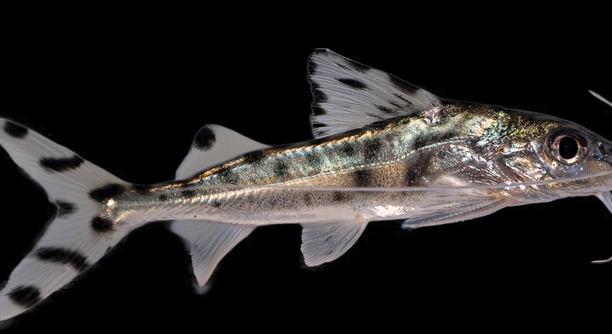
Some Pictus catfish show more social behavior than others, making their interactions with tank mates quite varied. These differences in social tendencies can affect how they live and thrive in an aquarium environment. Understanding these behaviors helps owners create better habitats for their fish.
The main reason some Pictus catfish are more social is due to individual personality traits and environmental factors such as tank size, group composition, and stress levels. These influences shape how they interact with others and respond to their surroundings.
Learning about what affects their social nature can improve care and promote harmony in community tanks. This knowledge benefits both new and experienced fish keepers.
Personality Differences Among Pictus Catfish
Each Pictus catfish has a unique personality that influences its social behavior. Some are naturally more outgoing, enjoying the company of other fish, while others prefer to keep to themselves. These personality traits develop early and remain fairly consistent. Tank conditions and interactions with other fish can encourage or discourage social behavior, but the core personality remains a strong factor. For example, a bolder catfish may explore more and swim openly, while a shy one might hide behind plants or decorations. Understanding these differences helps in predicting how each fish will behave in a group. It’s important to recognize that not all Pictus catfish will act the same, even if they are kept in identical environments. By observing their behavior over time, owners can adjust tank conditions to support their social needs better and create a calmer community.
Some Pictus catfish may never fully enjoy social interactions because of their innate temperament. Accepting this can help in managing expectations.
Knowing how individual personality influences behavior makes it easier to set up the right environment for each catfish. Adjusting tank mates or décor can help shy fish feel more comfortable, while outgoing fish may benefit from more open swimming space. These changes promote healthier interactions and reduce stress, helping all fish live more peacefully together.
Environmental Influences on Social Behavior
The tank environment plays a major role in shaping how social Pictus catfish are. Factors like tank size, layout, and the number of tank mates affect their comfort and willingness to interact. A cramped or poorly arranged tank can increase stress and cause fish to hide or become aggressive. Proper lighting and hiding places also impact their behavior, providing security for more timid fish. Water quality and temperature must be stable to keep fish healthy and calm. When the environment meets their needs, Pictus catfish are more likely to show social behaviors like schooling or resting together. This helps maintain balance in the aquarium and supports their natural instincts.
Changes in the tank environment can quickly alter a catfish’s social behavior, either positively or negatively.
To encourage social behavior, it’s important to create a tank setup that suits the species’ needs. A larger tank with plenty of hiding spots and clean water promotes calmness and interaction. Keeping a suitable number of tank mates prevents overcrowding and reduces competition for space or food. Paying attention to these environmental factors can help bring out the best social traits in your Pictus catfish. It also minimizes stress-related issues, making the aquarium a better home for all its inhabitants. Regular maintenance and observation allow for timely adjustments, improving social harmony over time.
Group Size and Social Interaction
Group size influences how social Pictus catfish behave. Larger groups encourage more interaction, while smaller groups may limit social activity.
In bigger groups, Pictus catfish tend to feel safer and more confident, which makes them more active and willing to swim together. This can lead to schooling behavior, where fish move in unison, providing protection and comfort. Smaller groups may not provide this sense of security, causing some fish to hide or act more independently. However, too large a group can increase competition for food and space, which can lead to stress and aggression. Finding the right balance in group size is important for maintaining peaceful social interactions and the well-being of all fish.
Managing group size also depends on tank dimensions. A spacious tank allows for more fish without overcrowding, while a smaller tank may require fewer individuals to keep stress levels low. Watching how your catfish respond to their group can help you decide if adjustments are needed. A balanced group size encourages healthier behavior and better social dynamics.
Stress and Its Effects on Social Behavior
Stress can greatly affect how social a Pictus catfish is. High stress often causes fish to become withdrawn or aggressive.
When Pictus catfish are stressed, their natural social behavior tends to decrease. Stress may be caused by poor water quality, sudden changes in the environment, or aggressive tank mates. Stressed fish may hide more, avoid group interactions, or show signs of nervousness. Long-term stress weakens their immune system, making them vulnerable to illness. Reducing stress by maintaining clean water, stable conditions, and peaceful tank mates helps promote normal social behaviors. It is important to observe your catfish regularly to catch signs of stress early and address them promptly. A calm environment encourages healthier, more active social behavior, benefiting both fish and their caretakers.
Tank Conditions and Their Role
Tank conditions strongly influence how social Pictus catfish become. Clean water and stable temperature support calm behavior.
Poor water quality or fluctuating temperatures stress the fish, causing them to hide or become aggressive. Consistent care ensures they stay comfortable and more social.
Impact of Tank Mates
The type of tank mates affects social behavior in Pictus catfish. Peaceful species encourage friendly interactions.
Aggressive or very active tank mates can cause stress, making catfish more withdrawn or defensive. Choosing compatible companions helps maintain balance.
Feeding and Social Behavior
Feeding routines can shape social dynamics. Regular, predictable feeding reduces competition and tension among fish.
Observing Social Changes
Watching how your catfish behave over time helps identify changes caused by environment or health.
How many Pictus catfish should I keep together for best social behavior?
Keeping Pictus catfish in groups of at least three to five is usually ideal. They feel more secure and active when in a small school. Too few can make them shy or stressed, while too many might cause overcrowding and competition. The exact number also depends on tank size, so always consider available space to avoid stress.
Why does my Pictus catfish hide more than others?
Some Pictus catfish are naturally shy or less social due to their personality. Environmental stress, such as poor water quality or aggressive tank mates, can also cause hiding behavior. Providing plenty of hiding spots and maintaining calm tank conditions can help shy fish feel safer and become more social over time.
Can tank mates affect my Pictus catfish’s social behavior?
Yes, tank mates have a big impact. Peaceful species encourage social behavior, while aggressive or territorial fish cause stress and withdrawal. Avoid mixing Pictus catfish with overly aggressive species, and choose companions that have similar temperaments and space needs to promote harmony.
What role does tank size play in social behavior?
Tank size matters because it affects space and comfort. Larger tanks give Pictus catfish room to swim and avoid conflicts, promoting more social interaction. Smaller tanks can increase stress and competition, which may reduce social behavior. Aim for at least 30 gallons for a small group and larger if keeping more fish.
How does stress change their social habits?
Stress often makes Pictus catfish less social. They may hide, become less active, or even show aggression. Stress can come from poor water quality, sudden changes, overcrowding, or bullying. Reducing these factors through good care and tank management helps keep social behavior stable and healthy.
What kind of environment encourages Pictus catfish to be social?
A well-maintained tank with clean water, stable temperature, and plenty of hiding spots encourages social behavior. Balanced lighting and a proper group size also help. When fish feel secure and comfortable, they are more likely to interact and swim together.
Does feeding routine affect social behavior?
Yes, consistent and fair feeding routines reduce competition and stress, promoting social behavior. Feeding at regular times and offering enough food prevents fights and encourages peaceful interactions. Overfeeding or irregular feeding can cause aggression or stress, impacting how social the catfish are.
Can individual personality be changed over time?
While the core personality of a Pictus catfish stays mostly the same, their social behavior can improve with a good environment and care. Shy fish may become more active and social when they feel safe and unstressed. However, some fish naturally prefer solitude and should be accepted as such.
How do I know if my Pictus catfish is stressed?
Signs of stress include hiding, loss of appetite, erratic swimming, or aggression. Changes in color or lethargy are also warning signs. Regularly observing your fish helps you spot stress early and make necessary tank adjustments or health checks.
Is it okay to keep a single Pictus catfish?
A single Pictus catfish may survive but often becomes less active and may show signs of loneliness or stress. They are naturally social fish and do best in groups. If space or tank setup limits group size, extra attention to environmental enrichment and care is necessary to keep a single fish healthy and comfortable.
Understanding why some Pictus catfish are more social than others helps improve their care. Each fish has a unique personality that shapes how it interacts with others. Some are naturally more outgoing, while others prefer solitude. These differences are normal and should be accepted. Trying to force shy catfish to be social may cause stress and harm. Instead, it is better to create a comfortable environment that suits their individual needs. Observing your catfish closely will help you learn their behavior and adjust their care accordingly. This way, every fish can thrive in its own way.
The environment plays a big role in encouraging social behavior. Clean water, proper tank size, and peaceful tank mates are important. A larger tank with hiding places makes shy fish feel safe, while a well-chosen group size helps fish interact naturally. Stress from poor conditions or aggressive companions can reduce social activity. Regular maintenance, stable water quality, and a calm tank environment promote healthy behavior. Paying attention to these details benefits not just the Pictus catfish but all fish in the aquarium. A balanced habitat leads to happier and more active fish.
Social behavior in Pictus catfish also depends on feeding routines and group dynamics. Consistent feeding reduces competition and stress, allowing fish to focus on their natural behaviors. Group size should be managed carefully to avoid overcrowding or isolation. Watching how your fish respond to these factors lets you fine-tune their care. Patience and understanding are key to supporting social fish. Every catfish is different, and adjusting your care to fit those differences will help your aquarium become a healthier and more peaceful place for all its inhabitants.

Hello,
If you enjoy the content that we create, please consider saying a "Thank You!" by leaving a tip.
Every little bit helps us continue crafting quality advice that supports the health, happiness, and well-being of pets around the world, for pets of all shapes, sizes, and species.
We really appreciate the kindness and support that you show us!