
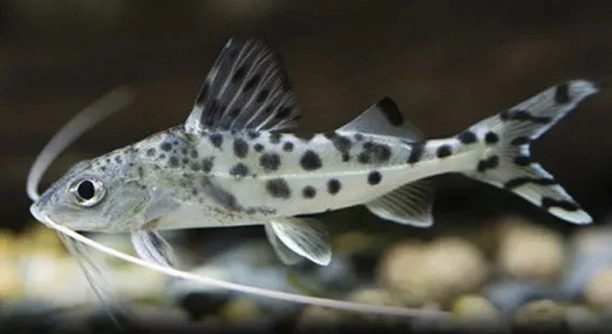
Pictus catfish are popular aquarium pets known for their active and curious nature. These fish often seek comfort in their environment, especially when they feel exposed or stressed. Providing the right hiding places is essential to their well-being and happiness.
Pictus catfish exhibit specific behaviors indicating the need for hiding spots, such as increased restlessness, frequent darting, hiding behind aquarium decorations, reduced feeding, and signs of stress. These behaviors suggest the fish require secure shelters to reduce anxiety and promote natural activity.
Recognizing these signs early can improve your catfish’s comfort and health. Understanding their needs helps create a better living space for your aquatic companion.
Increased Restlessness and Darting
When a pictus catfish becomes restless, swimming rapidly or darting around the tank, it often signals discomfort. These fish naturally enjoy exploring, but constant, frantic movements usually indicate they feel unsafe or stressed. A lack of secure spots to retreat to can make them uneasy. This behavior might escalate if the tank environment feels too open or exposed. Over time, the catfish may show less interest in its surroundings or start hiding excessively behind plants or decorations. Providing adequate hiding places reduces stress and helps maintain their natural behavior. Including caves, dense plants, or driftwood can create a comfortable refuge that encourages calmer activity.
Restlessness can also reduce the fish’s appetite and overall health. A secure environment encourages regular feeding and natural swimming patterns.
Observing how your pictus catfish moves and responds to its tank will help you identify when it needs additional hiding spots. A calm, steady swimmer is usually a sign of comfort and well-being.
Hiding Behind Decorations
Pictus catfish often seek refuge behind tank decorations when feeling threatened or insecure. This behavior shows their need for safe spaces to reduce anxiety. They prefer spots that provide cover but still allow them to observe their surroundings.
When your catfish regularly hides behind ornaments, it suggests the current setup may lack enough secure areas. Adding more caves, rocks, or plants can give them better options to retreat comfortably. Overcrowding the tank should be avoided, as it can cause stress by limiting swimming space. Instead, carefully arranged decorations can create natural hiding zones without restricting movement. A well-balanced tank environment with a variety of hiding spots helps maintain your catfish’s health and reduces nervous behaviors.
Adjusting the tank setup to include several secure locations benefits your catfish by offering safety and encouraging natural behaviors. It also makes the aquarium more visually interesting and engaging.
Reduced Feeding and Appetite
A pictus catfish that stops eating or shows less interest in food may be signaling stress from lack of hiding places. Stress can affect their natural feeding habits, leading to poor health if not addressed quickly.
When hiding spots are insufficient, pictus catfish feel vulnerable. This insecurity often causes them to retreat to corners or remain motionless, avoiding feeding areas. Without a secure refuge, they hesitate to explore and eat freely. Proper hiding places offer a sense of safety, encouraging normal feeding behavior. Offering balanced nutrition and a comfortable environment supports their well-being.
Improving the tank setup with caves, plants, or other shelters helps restore your catfish’s appetite. This change reduces stress and promotes consistent feeding, which is vital for their overall health.
Signs of Stress in Pictus Catfish
Stress in pictus catfish often appears as rapid gill movement, clamped fins, or hiding more than usual. These behaviors indicate discomfort that needs immediate attention.
Environmental factors like poor water quality or overcrowding can worsen stress if hiding places are scarce. A secure tank with quiet retreats helps reduce anxiety and allows your catfish to relax. Regular maintenance and observing behavior are essential. Stress relief can lead to longer, healthier lives for these sensitive fish.
Increased Hiding Time
Pictus catfish that spend most of their time hidden may feel unsafe in the tank. They need secure spots to retreat without fear of being exposed or threatened.
Too little cover can cause your catfish to hide excessively. Providing more shelters encourages balanced activity and rest.
Importance of Natural Hiding Spots
Natural hiding spots, such as caves, driftwood, and dense plants, create a calming environment for pictus catfish. These elements mimic their natural habitat, helping them feel secure and less stressed. Adding natural décor supports their instinct to seek shelter while maintaining a healthy tank ecosystem. Well-chosen hiding places improve their confidence to swim openly and explore.
Avoid Overcrowding
Too many fish or decorations can stress pictus catfish. Maintaining a balanced tank reduces competition and stress, helping your catfish feel safe.
FAQ
How many hiding places does a pictus catfish need?
The number of hiding places depends on the size of your tank and the number of catfish you keep. Generally, one hiding spot per fish is recommended to reduce competition and stress. In a community tank, adding multiple hiding spots helps all fish feel secure. Variety is important, too. Offering caves, plants, and driftwood gives your catfish options to choose from, which supports their natural behavior.
What materials are best for hiding places?
Natural materials like smooth rocks, driftwood, and live or artificial plants work well. These provide cover without sharp edges that could harm your catfish. Plastic caves designed for aquariums are also safe if they have no rough surfaces. Avoid anything treated with chemicals or that could leach toxins into the water. Choose hiding spots that won’t crowd the tank or block swimming paths.
Can pictus catfish survive without hiding spots?
While pictus catfish can survive without hiding places, their health and behavior often suffer. Lack of shelter can cause chronic stress, making them more prone to disease and poor appetite. Hiding places help mimic their natural environment, reducing anxiety and promoting natural activity. Providing secure spots improves their quality of life and longevity.
How do I know if my pictus catfish is stressed?
Signs of stress include constant hiding, rapid breathing (gill movement), clamped fins, loss of appetite, and erratic swimming. Stress can also lead to color fading and lethargy. Observing your catfish regularly helps catch these signs early. Addressing tank setup or water quality problems often reduces stress and improves behavior.
What kind of plants are best for hiding spots?
Dense, bushy plants like Java fern, Anubias, and Amazon sword are ideal. They offer thick cover without requiring much maintenance. Floating plants can also provide shaded areas, which pictus catfish appreciate. Plants improve water quality by absorbing nitrates and creating a more natural environment, which supports your fish’s well-being.
How should I arrange hiding places in the tank?
Distribute hiding spots evenly around the tank to avoid territorial disputes. Create a mix of open swimming areas and sheltered corners. Avoid overcrowding decorations to keep swimming space clear. Position caves or shelters near soft substrate, as pictus catfish like to rest there. Regularly check the layout and adjust if you notice signs of stress or aggression.
Can hiding places improve my catfish’s behavior?
Yes, proper hiding spots reduce stress and encourage natural behaviors like exploring, resting, and feeding. When catfish feel safe, they display calmer swimming patterns and interact better with tank mates. Hiding places also reduce aggression by giving shy or subordinate fish places to retreat.
Is it necessary to clean hiding places?
Cleaning hiding places is important to prevent algae buildup and debris, which can harm water quality. Remove and rinse decorations with warm water during routine tank maintenance. Avoid using soap or chemicals. Plants should be trimmed regularly to maintain healthy growth and prevent overcrowding.
Do juvenile pictus catfish need more hiding spots?
Juveniles are more vulnerable and often need more hiding places than adults. Providing extra cover helps protect them from stress and aggressive tank mates. As they grow, you can adjust the number and size of hiding spots to fit their changing needs.
What if my catfish ignores the hiding spots?
If your catfish ignores hiding places, it may mean they feel secure or that the spots don’t meet their preferences. Try rearranging decorations or adding different types of shelters. Monitor behavior closely to ensure the tank conditions are healthy. Sometimes, stress or illness can cause unusual behavior, so check water parameters and feeding habits.
Providing your pictus catfish with proper hiding places is essential for its well-being. These fish naturally seek shelter to feel safe and reduce stress. Without secure spots to retreat to, they may show signs of discomfort such as restlessness, hiding excessively, or reduced appetite. Creating a balanced tank environment with enough hiding places helps your catfish feel more comfortable and encourages natural behavior. Simple additions like caves, driftwood, or dense plants can make a big difference.
It is important to observe your catfish regularly and notice any changes in behavior that may indicate the need for more or better hiding spots. Stress can affect their health and shorten their lifespan. Providing a safe space allows them to relax, explore, and feed normally. Remember that the number and type of hiding places should suit the size of your tank and the number of fish you keep. Overcrowding or poor arrangement of decorations can cause stress and limit swimming space.
Maintaining the tank and cleaning hiding spots is also key to keeping your catfish healthy. Natural materials work best and help create a more natural habitat. By paying attention to your pictus catfish’s needs and making sure it has secure places to hide, you improve its quality of life. A well-designed aquarium supports a calm and active fish, which is rewarding to watch and care for over time.

Hello,
If you enjoy the content that we create, please consider saying a "Thank You!" by leaving a tip.
Every little bit helps us continue crafting quality advice that supports the health, happiness, and well-being of pets around the world, for pets of all shapes, sizes, and species.
We really appreciate the kindness and support that you show us!