
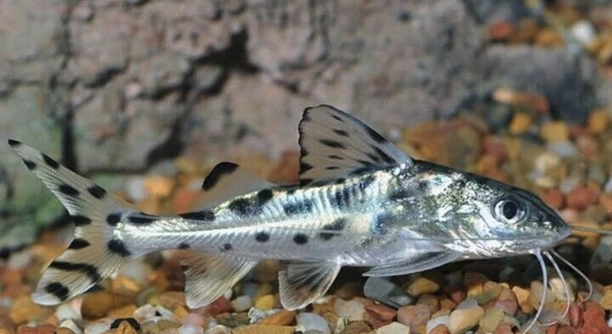
The first week with a Pictus catfish can be an exciting yet delicate time for new owners. Understanding what to expect helps ensure the fish settles in well and thrives in its new environment. Preparation and patience are key during these early days.
Pictus catfish require stable water conditions and a calm environment to reduce stress during the first week. They may hide frequently while adjusting, and proper feeding along with careful observation is essential to monitor their health and behavior.
Getting familiar with their needs early on helps build a strong foundation for a healthy and happy fish. This article will guide you through what to expect and how to support your new Pictus catfish.
Adjusting to a New Environment
When you bring a Pictus catfish home, it immediately faces new surroundings that can be overwhelming. These fish are sensitive to changes in water quality, temperature, and lighting. During the first week, they often hide under decorations or plants, trying to feel safe. It is important to keep the aquarium environment stable by maintaining proper temperature and pH levels. Sudden changes can stress the fish and affect their health. Feeding should be done carefully, offering small amounts of food to avoid water pollution. Observing your catfish quietly will help you notice any unusual behavior early. Clean the tank regularly but avoid disturbing the fish too much. This period is about letting the fish acclimate to its new home with minimal interference.
A stable, calm tank environment encourages your Pictus catfish to explore and adjust comfortably. Consistency matters most during these early days.
Pictus catfish appreciate dim lighting and plenty of hiding spots. Using plants, rocks, or driftwood helps them feel secure. Avoid loud noises or excessive movement near the tank, as this can increase their stress. Monitoring water parameters such as ammonia, nitrites, and nitrates daily ensures the tank remains safe. If your catfish does not eat immediately, do not worry; this is normal as they get used to their new environment. Patience and care during this time help promote healthy behavior and reduce stress-related illnesses.
Feeding and Behavior Expectations
Feeding your Pictus catfish properly in the first week is critical to their adjustment and health. Overfeeding or irregular feeding can lead to water quality issues and health problems.
In the initial days, Pictus catfish may be shy and slow to eat. Introduce high-quality sinking pellets or live foods like bloodworms, which they prefer. Feed small portions once or twice daily, removing any leftover food to keep the water clean. This routine helps establish a healthy feeding pattern. Watching their behavior while feeding also provides insight into their health. Active swimming and interest in food are positive signs. If they remain hidden or refuse food after several days, checking water conditions and consulting an expert may be necessary. Regular feeding supports energy levels and growth but must be balanced with good tank maintenance to avoid stress and illness.
Monitoring Health and Signs of Stress
Early signs of stress in Pictus catfish include hiding more than usual, loss of appetite, and rapid gill movement. Keeping a close eye on these signs is important during the first week.
Stress weakens the immune system, making your fish more vulnerable to illness. Water quality is often the main cause, so regular testing and maintenance are essential. Watch for physical changes like faded color or clamped fins, which also indicate poor health. If you notice these symptoms, check water parameters immediately and perform partial water changes if needed. Avoid sudden environmental changes, and maintain consistent feeding schedules. Prompt action can prevent minor issues from becoming serious health problems.
Providing hiding places and reducing noise around the tank helps lower stress levels. Keep the tank environment stable to promote recovery and comfort.
Tank Setup for the First Week
A properly arranged tank reduces stress and encourages normal behavior. Include soft substrate, plants, and caves for hiding spots, which Pictus catfish need to feel secure.
Use a gentle filter to maintain water cleanliness without creating strong currents. Ensure the water temperature stays between 75 and 80°F (24–27°C), and test pH regularly, aiming for slightly acidic to neutral levels (6.5–7.0). Lighting should be dim to mimic their natural habitat and encourage activity. Avoid overcrowding the tank to reduce stress and territorial disputes. A well-maintained environment during the first week helps the catfish settle quickly and reduces the risk of illness. Proper setup supports both their physical health and natural behaviors.
Water Changes and Maintenance
Regular water changes are essential during the first week to keep the environment healthy. Change about 20-30% of the water every few days to remove waste and toxins. This helps prevent stress and disease in your Pictus catfish.
Avoid cleaning the entire tank at once, as this can disrupt beneficial bacteria. Use a water conditioner to remove chlorine and chloramine from tap water before adding it back to the tank.
Ideal Tank Mates
Pictus catfish do best with peaceful, similarly sized fish that won’t compete aggressively for food or territory. Avoid large or highly aggressive species that may stress or harm them.
Tank mates like small tetras, gouramis, or Corydoras catfish are good choices. They share similar water requirements and are unlikely to cause problems. Proper selection of tank mates supports a balanced, calm aquarium environment.
Observing Activity Levels
Pictus catfish are naturally active, especially during evening hours. They should swim regularly and explore the tank as they adjust.
Reduced movement or constant hiding can signal stress or illness. Monitoring activity helps you respond early if problems arise.
FAQ
How often should I feed my Pictus catfish during the first week?
Feed small amounts once or twice a day during the first week. Overfeeding can pollute the water, so remove any uneaten food promptly. This helps keep the tank clean and reduces stress on the fish.
What should I do if my Pictus catfish hides all the time?
Hiding is normal as your catfish adjusts to a new environment. Make sure there are enough hiding spots like plants and caves. Keep the tank quiet and dimly lit. If hiding continues past the first week and the fish refuses food, check water quality and temperature.
Can Pictus catfish live with other fish right away?
Yes, but choose peaceful tank mates with similar water needs. Avoid aggressive or much larger fish that may intimidate or harm your catfish. Good tank mates include tetras, gouramis, or Corydoras catfish.
What water parameters are best for a Pictus catfish?
Ideal temperature is 75–80°F (24–27°C), with a pH around 6.5 to 7.0. Keep ammonia and nitrites at zero, and nitrates low. Frequent water testing helps maintain these conditions and keeps your fish healthy.
How much water should I change during the first week?
Change 20-30% of the water every few days. This helps remove waste and toxins without disturbing beneficial bacteria. Always treat tap water with a conditioner to remove chlorine and chloramine before adding it back.
Why is my Pictus catfish not eating?
Refusing food at first is common as they acclimate. Check water conditions, as poor water quality stresses fish and reduces appetite. Make sure you offer sinking pellets or live foods like bloodworms, which are preferred by Pictus catfish.
How can I tell if my Pictus catfish is stressed?
Signs include hiding excessively, loss of appetite, clamped fins, rapid breathing, or faded colors. Stress usually comes from poor water quality, loud noises, or sudden tank changes. Address these issues immediately to protect your fish’s health.
What type of substrate is best?
Soft, smooth substrates like sand or fine gravel are best to prevent injury. Pictus catfish like to forage along the bottom, so a gentle surface protects their barbels and skin from damage.
Do Pictus catfish need special lighting?
They prefer dim lighting since bright light can stress them. Using floating plants or adjustable lighting helps create a calm environment that encourages natural behavior.
How long does it take for a Pictus catfish to fully adjust?
Adjustment varies but usually takes one to two weeks. During this time, they may hide often and eat less. Once settled, they become more active and comfortable in the tank.
Is it necessary to quarantine new fish?
Yes, quarantining new fish before adding them to your main tank helps prevent the spread of diseases. A two-week quarantine period is recommended to monitor health and treat any issues early.
Can I handle my Pictus catfish?
Handling fish is generally stressful and should be avoided unless necessary. Use a soft net when transferring or cleaning the tank, and be gentle to avoid injury.
What are common diseases in Pictus catfish?
Common illnesses include ich, fin rot, and bacterial infections. Maintaining clean water and stable conditions helps prevent these. Early detection and treatment are key to recovery.
Should I use a tank cover?
Yes, Pictus catfish are known jumpers. A secure lid helps prevent accidents and keeps your fish safe.
How big do Pictus catfish grow?
They typically grow to about 5–6 inches (12–15 cm) in length. Providing enough space is important to support healthy growth and activity.
What is the best way to introduce a Pictus catfish to a new tank?
Float the sealed bag in the tank for 15-20 minutes to equalize temperature. Then slowly mix small amounts of tank water into the bag over an hour before releasing the fish gently into the tank.
How important is tank size?
A minimum of 30 gallons is recommended for a Pictus catfish to provide enough swimming space and maintain stable water conditions. Larger tanks help reduce stress and support their active nature.
Can Pictus catfish live alone?
They can live alone but often do better in groups of at least three. Group living helps reduce stress and encourages natural social behavior.
What do Pictus catfish eat besides pellets?
They enjoy live or frozen foods like bloodworms, brine shrimp, and daphnia. Occasional vegetable matter like blanched zucchini or peas can be offered to vary their diet.
How often should I clean the filter?
Clean the filter every two to four weeks but avoid thorough cleaning that removes all beneficial bacteria. Rinse filter media gently in tank water during water changes to preserve helpful bacteria.
Is it normal for my Pictus catfish to be more active at night?
Yes, they are naturally nocturnal and tend to be more active during low light or nighttime hours. Providing a quiet and dark environment supports this natural rhythm.
Final Thoughts
Caring for a Pictus catfish during the first week requires attention and patience. This period is crucial for helping your fish settle into its new home. Creating a calm and stable environment will reduce stress and support its health. Keeping water conditions steady, maintaining proper temperature, and offering appropriate hiding spots all contribute to a smooth adjustment. Watching your catfish closely helps you spot any early signs of trouble, allowing you to act quickly if needed. Remember, the first week sets the foundation for a strong, healthy fish.
Feeding habits and behavior may change during this time. Your Pictus catfish might eat less or hide more as it gets used to the tank. This is normal and usually temporary. Feeding small amounts of high-quality food and removing leftovers keeps the tank clean and reduces stress. Over time, you will notice the fish becoming more active and comfortable. Ensuring the right tank setup, including substrate, plants, and gentle filtration, helps mimic its natural environment. A well-planned tank encourages natural behaviors and supports overall well-being.
Patience is key when caring for any new fish, especially a Pictus catfish. Rushing changes or disturbing the tank too much can cause unnecessary stress. Instead, focus on maintaining stable conditions and observing your fish quietly. This calm approach will help your catfish thrive in the long run. As your fish grows more confident, you can gradually introduce other compatible tank mates and enjoy watching its unique personality develop. Keeping a steady routine during the first week lays the groundwork for a healthy, happy fish for years to come.

Hello,
If you enjoy the content that we create, please consider saying a "Thank You!" by leaving a tip.
Every little bit helps us continue crafting quality advice that supports the health, happiness, and well-being of pets around the world, for pets of all shapes, sizes, and species.
We really appreciate the kindness and support that you show us!