
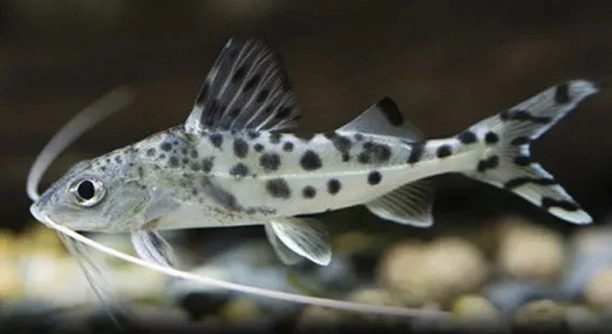
Maintaining water stability in a Pictus tank is essential for the health and well-being of your fish. Proper water conditions help reduce stress and prevent common diseases. Many fishkeepers find it challenging to keep the environment balanced over time.
Water stability in a Pictus tank depends on consistent monitoring of parameters such as pH, ammonia, nitrite, and nitrate levels. Regular water changes, proper filtration, and careful feeding routines are critical to maintaining a healthy aquatic environment.
Understanding how to manage these factors effectively can make a significant difference in your tank’s success. The following tips will help you create a stable and thriving habitat for your Pictus catfish.
Monitor Water Parameters Regularly
Keeping an eye on key water parameters is crucial for maintaining stability in your Pictus tank. Checking pH, ammonia, nitrite, and nitrate levels at least once a week helps catch any problems early. Pictus catfish prefer slightly acidic to neutral water, with a pH around 6.5 to 7.5. Ammonia and nitrite should always be at zero, while nitrate levels need to stay below 20 ppm to avoid stress or health issues. Using reliable test kits makes it easier to track these values. Consistent monitoring allows you to act quickly if something goes wrong, preventing long-term damage to the fish or tank environment. This routine can save you time and effort, keeping your aquarium balanced and healthy.
Regular water testing is a simple habit that greatly improves the chance of keeping your Pictus catfish healthy and happy.
Water parameters are the foundation of a stable aquarium. Changes in pH or spikes in toxins can cause stress or disease. When testing, record the results to see trends over time. If ammonia or nitrite levels rise, perform partial water changes immediately and check your filtration system for blockages or inefficiencies. Avoid sudden pH shifts by making changes gradually. Keeping parameters steady supports the fish’s immune system and promotes natural behavior. This careful balance requires attention but pays off with a thriving tank that needs less emergency intervention.
Perform Regular Water Changes
Water changes are essential for reducing harmful substances and replenishing minerals in your Pictus tank. Replacing about 20-30% of the water weekly helps remove nitrates and leftover waste. This process dilutes toxins and keeps the environment clean without shocking the fish. It also restores vital trace elements that support fish health. Using a gravel vacuum during changes removes debris from the substrate, improving overall water quality. Be sure to treat new water to remove chlorine and match its temperature to the tank. Regular water changes prevent buildup of harmful chemicals and help maintain a consistent habitat for your Pictus catfish.
Consistent partial water changes keep your tank’s water fresh and balanced, supporting long-term stability.
Skipping water changes leads to poor water quality, which can cause stress, illness, or death in your fish. Over time, nitrates and other waste products accumulate, creating an unhealthy environment. Frequent water replacement helps control these levels while maintaining necessary minerals and nutrients. Always avoid changing too much water at once, as drastic shifts may shock your fish. Consistency is key to success. Planning your water changes and sticking to a schedule reduces sudden problems and keeps your aquarium stable. By combining this habit with proper filtration and feeding, you build a reliable system that supports your Pictus catfish’s health and well-being for years to come.
Use Proper Filtration
A reliable filtration system is necessary for maintaining water quality in your Pictus tank. It removes waste, excess food, and harmful chemicals, helping keep the environment clean and stable. Choosing the right filter and maintaining it regularly prevents water issues.
Filters work by cycling water through mechanical, biological, and chemical stages. Mechanical filtration traps particles like uneaten food and debris. Biological filtration uses beneficial bacteria to break down toxic ammonia and nitrites into less harmful nitrates. Chemical filtration removes dissolved impurities using activated carbon or similar media. Together, these processes keep water clear and safe for your fish. A filter rated for your tank size ensures proper water turnover, preventing stagnation. Clean filter media regularly to avoid clogging but avoid washing with tap water to preserve bacteria. Proper filtration maintains balance and reduces the need for frequent water changes.
Neglecting filter maintenance leads to poor water quality and sudden parameter spikes. Check the filter weekly and clean as needed to maintain optimal function. Replace worn parts and monitor flow rate. This attention extends the filter’s lifespan and supports a healthy tank. A well-maintained filter reduces the buildup of harmful substances, creating a stable environment where Pictus catfish thrive. Combined with regular water testing, filtration is one of the best ways to maintain consistent water conditions.
Feed Pictus Catfish Appropriately
Overfeeding is a common mistake that disrupts water stability. Pictus catfish require a balanced diet given in small portions to avoid leftover food decaying and polluting the tank. Feed only what they consume within a few minutes.
Providing varied food like sinking pellets, live or frozen worms, and occasional vegetables ensures proper nutrition. Uneaten food increases ammonia and nitrate levels, causing stress and illness. Feeding once or twice daily in controlled amounts helps maintain water quality. Remove any uneaten food promptly during water changes or with a net to prevent waste buildup. Feeding routines affect not just fish health but also water chemistry, so careful portion control is important.
Adjust feeding based on your catfish’s activity and appetite. Pictus catfish tend to be active at night, so feeding later in the day may be more effective. Monitor their behavior and adjust accordingly. Avoid feeding high-protein foods excessively, as these produce more waste. Proper feeding supports water stability and fish health, making your tank easier to manage and more enjoyable to maintain.
Maintain Stable Temperature
Pictus catfish thrive in water temperatures between 74°F and 79°F (23°C–26°C). Sudden temperature changes stress the fish and can cause health problems. Use a reliable heater with a thermostat to keep the temperature steady.
Regularly check the thermometer to ensure consistent warmth. Avoid placing the tank near windows or vents where temperatures may fluctuate.
Avoid Overcrowding
Overcrowding increases waste production and depletes oxygen, destabilizing water quality. Keep your tank population within recommended limits for the tank size to maintain balance and reduce stress.
A smaller, well-managed group of Pictus catfish promotes better health and a stable environment.
Use Live Plants
Live plants help absorb nitrates and improve oxygen levels, supporting water stability. They also provide shelter and reduce stress for Pictus catfish.
Choose hardy species that thrive in your tank conditions to maximize benefits.
Clean Substrate Regularly
Debris and waste settle in the substrate, which can degrade water quality over time. Use a gravel vacuum during water changes to remove buildup and maintain cleanliness.
Regular substrate cleaning supports a healthier tank environment for your fish.
FAQ
How often should I test the water in my Pictus tank?
Testing water once a week is usually enough to maintain stability. However, during the first few weeks of setting up your tank or after changes, test more frequently. This helps catch issues early and allows you to adjust water parameters before they affect your fish.
What is the ideal pH for a Pictus tank?
Pictus catfish prefer slightly acidic to neutral water, typically between pH 6.5 and 7.5. Keeping the pH stable within this range supports their health and reduces stress. Sudden pH shifts should be avoided, as they can harm your fish.
Can I use tap water for water changes?
Tap water is fine if it is properly treated. Use a water conditioner to remove chlorine, chloramine, and heavy metals before adding it to the tank. Let the treated water reach the same temperature as the tank to avoid shocking the fish.
How much water should I change weekly?
A 20-30% water change each week is recommended for a Pictus tank. This removes excess waste and maintains water quality without causing sudden parameter changes. Smaller, regular changes are better than infrequent large changes.
What type of filter is best for a Pictus tank?
Canister filters, hang-on-back filters, or sponge filters are all good choices. The filter should provide mechanical, biological, and chemical filtration. Make sure it is rated for your tank size and has a moderate flow, as Pictus catfish prefer gentle currents.
How often should I clean the filter?
Clean the filter media every 3-4 weeks to prevent clogging but avoid washing it with tap water to preserve beneficial bacteria. Instead, rinse the media gently in tank water removed during a water change. Replace worn parts as needed to keep the filter working efficiently.
Is it okay to feed Pictus catfish only pellets?
Pellets are convenient but feeding only pellets can limit nutrition. Supplement their diet with live or frozen foods like bloodworms, brine shrimp, or daphnia. Occasionally offering vegetables like zucchini or cucumber helps keep their diet balanced.
How can I prevent overfeeding?
Feed small portions that your fish can consume in 2-3 minutes. Remove any uneaten food promptly to avoid water pollution. Feeding once or twice daily with controlled amounts reduces waste buildup and maintains water stability.
Can live plants help maintain water stability?
Yes, live plants absorb nitrates and add oxygen to the water. They also provide hiding spots for Pictus catfish, reducing stress. Choose hardy plants that thrive in your tank’s conditions to maximize benefits.
What temperature is best for Pictus catfish?
Maintain water temperature between 74°F and 79°F (23°C–26°C). Use a reliable heater and check the temperature regularly to avoid sudden fluctuations, which can stress your fish.
How do I avoid overcrowding?
Follow stocking guidelines based on tank size. For example, a 30-gallon tank can house about 5-6 Pictus catfish comfortably. Overcrowding increases waste and reduces oxygen, leading to poor water quality and stressed fish.
Why is substrate cleaning important?
Waste and uneaten food settle in the substrate, leading to ammonia buildup if left uncleaned. Use a gravel vacuum during water changes to remove debris and keep the substrate healthy. This helps maintain clear, stable water.
What signs indicate poor water quality?
Look for lethargy, gasping at the surface, faded colors, or unusual behavior in your fish. Cloudy water or unpleasant smells can also signal water problems. Regular testing and maintenance help prevent these issues.
Can I use aquarium salt in a Pictus tank?
Aquarium salt can sometimes help with minor stress or parasite issues but should be used cautiously. Always research the correct dosage and effects before adding salt, as some catfish species are sensitive to it.
How important is oxygenation in the tank?
Good oxygen levels are essential for fish health. Use air stones or adjust your filter flow to promote surface agitation, which helps oxygen dissolve in the water. Plants also contribute by producing oxygen during photosynthesis.
How can I reduce nitrate levels?
Regular water changes and live plants help control nitrates. Avoid overfeeding and overcrowding, as excess waste increases nitrate buildup. Proper filtration supports beneficial bacteria that convert harmful substances into nitrates.
What is the best way to acclimate new Pictus catfish?
Float the sealed bag in your tank for 15-20 minutes to equalize temperature. Slowly add small amounts of tank water to the bag every 5 minutes for about an hour. Then gently release the fish into the tank to reduce stress and shock.
How often should I replace filter media?
Mechanical media like sponges or floss should be replaced every few months or when clogged. Chemical media such as activated carbon usually lasts 3-4 weeks before needing replacement. Biological media should rarely be replaced to preserve beneficial bacteria.
Can sudden changes in water cause illness?
Yes, rapid shifts in temperature, pH, or water chemistry stress fish and can lead to disease. Make changes gradually and monitor water parameters closely to keep the environment stable.
Is it necessary to quarantine new fish?
Quarantining new fish for 2-4 weeks before adding them to your tank helps prevent introducing diseases or parasites. A separate tank allows observation and treatment without risking your established aquarium.
What should I do if ammonia levels spike?
Perform an immediate partial water change to reduce ammonia. Check your filtration system for issues and avoid overfeeding. Adding beneficial bacteria supplements can help speed up the nitrogen cycle recovery.
How important is lighting for water stability?
Proper lighting supports plant growth and natural fish behavior but avoid excessive light that promotes algae. A consistent day-night cycle of 8-10 hours helps maintain balance in the tank.
Can Pictus catfish live with other species?
They generally get along with peaceful, similarly sized fish. Avoid aggressive or very small species that could be stressed or eaten. Compatibility helps reduce stress and maintain a peaceful, stable environment.
What equipment is essential for a stable Pictus tank?
A good filter, heater, reliable test kits, and a thermometer are basic essentials. Live plants and an air stone improve water quality and oxygen levels. Regular maintenance tools like a gravel vacuum also help keep the tank clean and stable.
Maintaining water stability in a Pictus tank requires consistent care and attention. Small actions taken regularly, such as monitoring water parameters and performing water changes, help create a balanced environment. This balance is essential for the health and comfort of your Pictus catfish. While the process may seem detailed, each step contributes to reducing stress and preventing illness in your fish. Keeping the water stable is not about perfection but about steady habits that protect the aquatic environment.
Choosing the right equipment and maintaining it properly supports water quality over time. Filters, heaters, and test kits all play important roles in controlling the tank’s conditions. Regular cleaning and careful feeding also reduce the buildup of harmful substances. In particular, avoiding overfeeding and overcrowding minimizes waste and keeps ammonia and nitrate levels low. Using live plants and cleaning the substrate regularly further help to keep the tank healthy and stable. When these elements work together, they create a supportive habitat where Pictus catfish can thrive.
Water stability is a continuous effort that benefits greatly from observation and patience. By establishing a routine of testing, cleaning, and caring for your tank, you create a strong foundation for your fish’s well-being. Problems often develop slowly, so early detection through regular checks can prevent serious issues. While it takes some dedication, maintaining a stable environment becomes easier over time. Ultimately, these efforts provide a healthier, more enjoyable aquarium for both you and your Pictus catfish.

Hello,
If you enjoy the content that we create, please consider saying a "Thank You!" by leaving a tip.
Every little bit helps us continue crafting quality advice that supports the health, happiness, and well-being of pets around the world, for pets of all shapes, sizes, and species.
We really appreciate the kindness and support that you show us!