
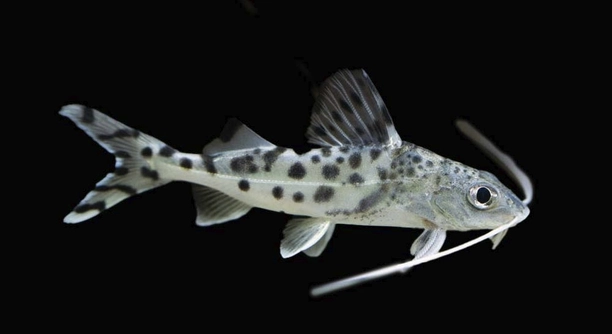
Many fishkeepers enjoy setting up Pictus catfish tanks with beautiful substrates. Choosing the right substrate is important for the health and comfort of these active fish. Some substrates can cause harm or stress if used in their environment.
Certain substrate types should be avoided in Pictus tanks due to their potential to cause injury, water quality issues, or stress. These include sharp gravel, heavy clay, coarse sand, and substrates that alter water chemistry negatively. Proper substrate choice supports fish well-being and tank stability.
Knowing which substrates to avoid will help you create a safer and more comfortable home for your Pictus catfish. This article will guide you through the common substrate types that are best left out of their tanks.
Sharp Gravel
Sharp gravel is one substrate to avoid in a Pictus tank. These catfish have delicate barbels and soft bodies that can easily get injured on rough or jagged surfaces. Injuries can lead to infections, which are stressful and dangerous for your fish. Sharp gravel also makes it harder for them to dig and forage comfortably, as Pictus catfish like to sift through the substrate in search of food. Instead of sharp gravel, opt for smooth, rounded pebbles or fine sand to protect their sensitive parts and allow natural behaviors. Keeping the tank safe for your fish should always be a priority.
Choosing smooth substrates prevents unnecessary injuries and promotes a healthier environment.
Smooth and soft substrates encourage Pictus catfish to explore naturally and reduce the risk of infections caused by cuts or abrasions.
Heavy Clay Substrate
Heavy clay substrates are often too dense for Pictus tanks. Clay can compact quickly, limiting oxygen flow to the tank’s bottom. This can create dead zones where harmful bacteria grow. Pictus catfish enjoy digging, but compacted clay makes this difficult, stressing the fish. Additionally, clay can cloud the water when disturbed, affecting visibility and tank cleanliness. This cloudiness may cause discomfort for fish sensitive to water quality changes. It is better to use substrates that are loose and easy to move, such as fine sand or small rounded gravel. These options promote natural behavior and better water circulation. Proper substrate choices help maintain a healthy, clean tank and keep your Pictus catfish active and happy.
Coarse Sand
Coarse sand is not ideal for Pictus tanks. It can be abrasive to their barbels and skin, causing irritation or damage.
Pictus catfish like to dig and sift through the substrate, but coarse sand is rough and can harm their sensitive barbels. Unlike fine sand, which is soft and gentle, coarse sand may lead to scratches and stress. Over time, these small injuries can make fish vulnerable to infections. Additionally, coarse sand doesn’t allow natural digging behaviors as smoothly, which can reduce the fish’s comfort and activity. Choosing fine sand instead supports healthier fish and a more natural tank environment.
Fine sand mimics the soft riverbeds where Pictus catfish live in the wild. It’s gentle on their bodies and easy for them to explore. It also helps keep the water clean by trapping debris without disturbing the fish.
Substrates That Affect Water Chemistry
Some substrates can change the water’s chemistry, which can be harmful to Pictus catfish. These fish prefer neutral to slightly acidic water, so substrates that raise pH or hardness should be avoided.
For example, crushed coral or limestone substrates release calcium carbonate, increasing the water’s hardness and pH level. This shift in water chemistry can stress your Pictus catfish and affect their health. It may also encourage unwanted algae growth. Choosing inert substrates like silica sand or smooth gravel helps maintain stable water conditions. Stable water chemistry is important because sudden changes can weaken fish immune systems and lead to disease. Keeping your tank’s substrate neutral ensures a safer and more comfortable environment for your Pictus catfish.
Large Sharp Rocks
Large sharp rocks can injure Pictus catfish during their active movements. These fish often swim near the bottom and may accidentally scrape themselves on jagged edges.
Sharp rocks also make cleaning difficult because debris gets trapped in crevices. It’s better to choose smooth, rounded stones to keep the tank safe and easy to maintain.
Substrates That Trap Waste
Substrates that trap waste, like very fine silt or mud, can cause water quality problems. Waste builds up quickly and creates harmful ammonia levels, which stress fish and lead to illness. Frequent cleaning becomes necessary but disturbing the substrate can cloud the water, adding more stress to Pictus catfish.
Choosing substrates that allow good water flow and easy waste removal helps maintain a healthier tank environment and keeps the fish comfortable.
Colored Gravel
Colored gravel often contains dyes or chemicals that can leach into the water. These substances may harm Pictus catfish or disrupt water quality. It’s safer to use natural-colored substrates to avoid potential risks.
FAQ
What is the best substrate for a Pictus catfish tank?
The best substrate for a Pictus catfish tank is fine sand or very smooth, small rounded gravel. These substrates protect the catfish’s delicate barbels and skin while allowing them to dig and forage naturally. Fine sand mimics their natural riverbed environment, reducing stress and injuries. Rounded gravel also offers a smooth surface without sharp edges, helping to keep your fish safe. Avoid any substrate that is rough, sharp, or chemically reactive to maintain a healthy habitat.
Can I use regular aquarium gravel in my Pictus tank?
Regular aquarium gravel can be used only if it is smooth and small enough not to injure your fish. Avoid sharp or large gravel pieces, which can damage barbels and skin. Always rinse gravel thoroughly before adding it to the tank to remove dust and debris. If the gravel alters water chemistry, it should not be used, as Pictus catfish prefer stable, neutral to slightly acidic water.
Why is sharp gravel bad for Pictus catfish?
Sharp gravel can cause cuts and abrasions on the soft skin and barbels of Pictus catfish. These injuries are painful and can easily get infected, leading to serious health problems. Since Pictus catfish are active bottom dwellers, they come in contact with the substrate often. Protecting them from sharp surfaces helps avoid stress and promotes their well-being.
How does substrate affect water quality in a Pictus tank?
Substrate can trap debris and waste, affecting water quality. Some substrates compact tightly, limiting oxygen flow and creating zones where harmful bacteria thrive. Others, like crushed coral, can change the water’s pH and hardness. Choosing loose, inert substrates like fine sand or smooth gravel helps maintain clean, stable water conditions, which is crucial for the health of Pictus catfish.
Is sand better than gravel for Pictus catfish?
Sand is generally better because it is softer and less likely to harm the fish’s barbels. It allows Pictus catfish to dig and sift through the substrate naturally. However, if sand is too fine or silty, it can trap waste and cause water quality issues. Well-chosen smooth gravel can work if it’s free of sharp edges and not chemically reactive.
Can colored gravel harm my Pictus catfish?
Colored gravel often contains dyes or chemicals that might leach into the water over time. These substances can be harmful or stressful for Pictus catfish. To be safe, it’s better to choose natural-colored substrates that don’t affect water chemistry or release toxins.
How often should I clean the substrate in a Pictus tank?
Cleaning depends on the substrate type and tank conditions. Generally, gravel or sand should be gently vacuumed every two to four weeks to remove waste without disturbing beneficial bacteria. Avoid deep cleaning that disrupts the entire substrate, as it can stress the fish and reduce water quality. Regular partial cleaning keeps the tank healthy and comfortable for your Pictus catfish.
Can Pictus catfish live without substrate?
Pictus catfish can live without substrate, but it’s not ideal. They use the substrate to search for food and feel secure. A bare bottom tank makes it harder for them to express natural behaviors and may increase stress. If you choose no substrate, provide plenty of hiding spots and soft decorations to compensate.
What happens if I use a substrate that raises pH in my Pictus tank?
Using a substrate that raises pH, like crushed coral or limestone, can stress Pictus catfish. These fish prefer neutral to slightly acidic water, so a higher pH disrupts their comfort and health. Changes in pH can weaken their immune system, making them more vulnerable to disease. It is important to choose substrates that keep the water stable and within the recommended range.
Are there any natural substrates safe for Pictus catfish?
Yes, natural substrates like river sand and smooth river stones are safe options. These substrates closely resemble the Pictus catfish’s natural environment and are gentle on their bodies. Make sure any natural substrate is thoroughly cleaned and free of contaminants before adding it to the tank. Avoid substrates that alter water chemistry or contain sharp edges.
Choosing the right substrate for a Pictus catfish tank is very important for the health and comfort of the fish. Pictus catfish are sensitive to sharp or rough materials because of their soft bodies and delicate barbels. Using the wrong substrate can cause injuries, infections, and stress, which can hurt their overall well-being. Smooth, fine substrates like sand or small rounded gravel are the best choices. These allow the fish to dig and explore naturally without risking harm. It is also important to avoid substrates that change water chemistry or trap waste, as this can lead to poor water quality and harm the fish.
Keeping a Pictus catfish tank clean and stable depends a lot on the substrate you pick. Some materials, like heavy clay or crushed coral, can create problems by compacting or raising the pH level of the water. These changes are not good for the fish and can make it harder to maintain a healthy environment. Choosing neutral and loose substrates helps keep water conditions steady and easier to manage. When the substrate supports good water flow and does not trap harmful waste, your Pictus catfish will have a better home and live with less stress. This leads to happier and healthier fish.
In the end, careful attention to substrate choices can make a big difference for your Pictus catfish tank. Avoiding sharp, heavy, or chemically reactive materials protects the fish from injuries and keeps water quality high. Soft, natural-feeling substrates encourage natural behaviors and reduce stress. Taking the time to pick the right substrate shows care and helps create a safe, comfortable environment. This allows your Pictus catfish to thrive and enjoy a better quality of life in their aquarium home.

Hello,
If you enjoy the content that we create, please consider saying a "Thank You!" by leaving a tip.
Every little bit helps us continue crafting quality advice that supports the health, happiness, and well-being of pets around the world, for pets of all shapes, sizes, and species.
We really appreciate the kindness and support that you show us!