
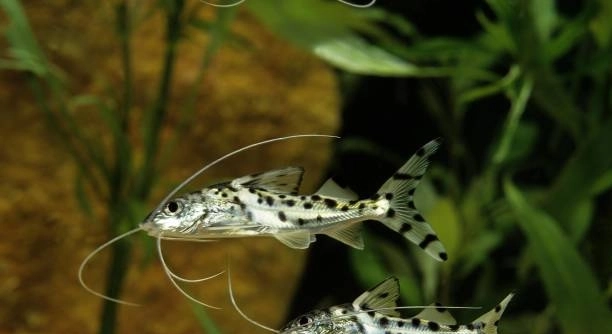
Pictus catfish are popular freshwater fish known for their active behavior in home aquariums. Many aquarium owners notice these fish moving around quickly and sometimes leaping out of the water. Understanding their jumping habits is important for keeping them safe and comfortable.
Pictus catfish can jump without warning, often reacting suddenly to environmental changes or threats. Their natural behavior includes jumping to escape predators or explore surroundings, making secure tank lids essential to prevent accidental escapes.
Learning more about why these fish jump helps owners create safer environments. Knowing the signs and causes of sudden jumps can improve care and prevent unexpected surprises.
Why Do Pictus Catfish Jump?
Pictus catfish are known to jump primarily because of their natural instincts. In the wild, jumping helps them escape predators or move between water bodies. In aquariums, sudden noises, changes in water quality, or aggressive tank mates can trigger this behavior. These fish have strong muscles that allow quick bursts of movement, making it easier for them to leap out of the tank. Sometimes, they jump simply to explore their surroundings or because the water conditions are uncomfortable. Poor water quality, including incorrect pH or temperature, can make them restless. They may also jump if the tank is too small or overcrowded. It’s important to provide a well-maintained environment with hiding spots and stable conditions to reduce their urge to jump. Using a secure lid is a practical step to protect them since even a small gap can allow a catfish to escape or get injured.
Jumping is a natural response to stress or discomfort in their environment. Preventing these triggers can reduce the chances of sudden leaps.
Taking time to observe your catfish’s behavior helps you spot patterns that lead to jumping. Regular water tests and maintaining cleanliness are key. Also, ensure the tank is large enough and has enough hiding places. Providing a peaceful environment reduces stress and keeps your catfish calm. If the fish still jump frequently, check for possible health issues or tank mates causing stress. Adjusting feeding times and diet can also improve their comfort. Knowing their needs helps keep your catfish safe and happy in their home.
How to Prevent Unexpected Jumps
Using a tight-fitting tank lid is essential for keeping pictus catfish safely inside. The lid prevents them from escaping or getting hurt during a jump.
Creating a calm environment is important. Avoid sudden noises, rapid water changes, and aggressive fish. Stable water parameters and proper tank size also reduce stress. Regularly check water temperature, pH, and cleanliness. Adding plants and hiding spots can make your catfish feel secure. Feeding on a consistent schedule prevents restlessness. When these measures are in place, your pictus catfish is less likely to jump without warning, helping you enjoy a peaceful aquarium experience.
Risks of Jumping Pictus Catfish
Jumping poses several risks to pictus catfish, especially in home aquariums. They can injure themselves by hitting the tank edges or falling onto hard surfaces outside the tank.
When a catfish jumps, it can hurt its fins, skin, or eyes if it lands awkwardly. Escaping the tank can expose them to dry conditions and predators like household pets. Even if they survive a jump, the stress can weaken their immune system, making them more vulnerable to illness. Frequent jumping is often a sign that the environment isn’t ideal. This risk shows how important it is to manage tank conditions carefully and prevent escapes.
Accidental jumps can also lead to sudden death, which is upsetting and avoidable. Keeping the aquarium secure and stress low is the best way to protect your catfish.
Signs Your Pictus Catfish Might Jump
Restlessness and frequent darting around the tank often precede jumping behavior. You might also notice your catfish spending more time near the water’s surface.
Other signs include rapid gill movement, flicking fins, and unusual hiding. These behaviors suggest discomfort or stress. Poor water quality or temperature changes often cause these signs. Also, if the fish seems scared or is trying to avoid other tank mates, jumping risk increases. Watching for these signs helps prevent escapes by allowing you to adjust tank conditions before a jump happens.
Knowing these warning signs early allows you to act quickly and make your catfish feel safer and calmer.
How to Create a Safe Environment
A secure tank lid is the easiest way to stop pictus catfish from jumping out. Make sure there are no gaps or loose edges.
Keep the water clean and stable. Regular testing and partial water changes help maintain good conditions.
Best Tank Setup for Pictus Catfish
Pictus catfish need a tank of at least 30 gallons to swim comfortably. They prefer plenty of hiding spots like plants and caves to feel secure. Soft substrate protects their sensitive barbels, and moderate lighting helps reduce stress. Proper filtration keeps the water clear but should not create strong currents. Keeping water temperature between 72–78°F and maintaining a pH near neutral supports their health. Avoid overcrowding with other fish to reduce stress and aggression. A well-planned tank setup helps minimize the chances of sudden jumping by keeping your catfish relaxed and comfortable.
Feeding Tips to Reduce Jumping
Feed small, frequent meals to avoid overfeeding and restlessness.
FAQ
Can pictus catfish jump out of the tank even if the water looks fine?
Yes, pictus catfish can jump even when water parameters appear okay. They are sensitive to sudden changes, noises, or vibrations that might not be obvious to us. Sometimes, factors like tank mates or light changes can stress them enough to jump unexpectedly.
Why do pictus catfish seem to jump more at night?
Pictus catfish are nocturnal and more active during the night. Their heightened activity and curiosity can lead to more jumping attempts, especially if the tank isn’t fully covered or if they feel threatened by sudden movements or noises.
Is it normal for pictus catfish to jump often?
Frequent jumping usually signals stress or discomfort. It’s not normal behavior if it happens a lot. It might mean the tank size is too small, water quality is poor, or there are aggressive fish in the tank. Addressing these issues often reduces jumping.
What should I do if my pictus catfish jumps out and lands on the floor?
If your catfish jumps out, quickly and gently wet your hands before handling it. Place it back in the tank carefully to avoid injuring its sensitive skin and fins. Watch for signs of stress or damage. Keeping a secure lid is the best way to prevent this.
Can tank decorations cause pictus catfish to jump?
Yes, if decorations are sharp or placed too close to the surface, they can frighten the fish or injure them during jumps. Ensure decorations are smooth and arranged to give enough open swimming space, which lowers the chance of jumping.
Do pictus catfish jump to catch food?
While pictus catfish are active feeders, they rarely jump just to catch food. Jumping is more often linked to stress or exploration rather than feeding behavior. Make sure food is appropriate and fed near the bottom to keep them comfortable.
Will adding tank mates reduce jumping behavior?
Adding peaceful tank mates can sometimes distract pictus catfish and reduce stress. However, aggressive or territorial fish might increase stress and jumping. Choose compatible species that won’t cause tension or competition in the tank.
How often should I test the water to prevent jumping?
Testing water at least once a week is recommended. Monitoring pH, ammonia, nitrite, nitrate, and temperature helps catch problems early. Stable water conditions are key to preventing stress-induced jumping.
Can stress from transportation cause pictus catfish to jump more?
Yes, moving fish can be very stressful. After transportation, pictus catfish may jump more due to shock or unfamiliar surroundings. Give them time to adjust in a quiet, stable environment with minimal disturbances.
Is it possible to train pictus catfish not to jump?
Pictus catfish are wild fish with natural instincts, so training them not to jump isn’t really effective. The best approach is to reduce stress factors and secure the tank to keep them safe. Consistency in care helps minimize jumping.
Pictus catfish are lively and interesting fish to keep, but their jumping behavior can be a challenge for many aquarium owners. Understanding why they jump and what causes this behavior is important for creating a safe environment. These fish jump naturally as a way to escape threats or explore their surroundings, but in home tanks, it is often a response to stress or discomfort. Keeping the water clean, stable, and the tank properly sized helps reduce their urge to jump. Adding plenty of hiding spots and a secure lid are also key steps to protect them from injury or escape.
Watching your pictus catfish closely can help you notice signs that they might jump soon. Restlessness, rapid swimming, or staying near the surface are common clues. By addressing these warning signs early, such as improving water quality or reducing noise, you can make your fish feel more comfortable. Sometimes, jumping is caused by sudden changes in the tank or aggressive tank mates, so it’s important to maintain a calm and stable environment. Making small adjustments, like feeding on a schedule and avoiding overcrowding, can greatly improve their behavior and reduce jumping incidents.
Overall, while pictus catfish can jump without warning, their behavior can be managed with proper care. The best approach is to focus on maintaining a healthy tank environment and preventing stress. A secure lid, clean water, and thoughtful tank setup make a big difference. Paying attention to your fish’s needs helps keep them safe and happy. When these simple steps are followed, you can enjoy the unique charm of pictus catfish without worrying about sudden jumps or escapes.

Hello,
If you enjoy the content that we create, please consider saying a "Thank You!" by leaving a tip.
Every little bit helps us continue crafting quality advice that supports the health, happiness, and well-being of pets around the world, for pets of all shapes, sizes, and species.
We really appreciate the kindness and support that you show us!