
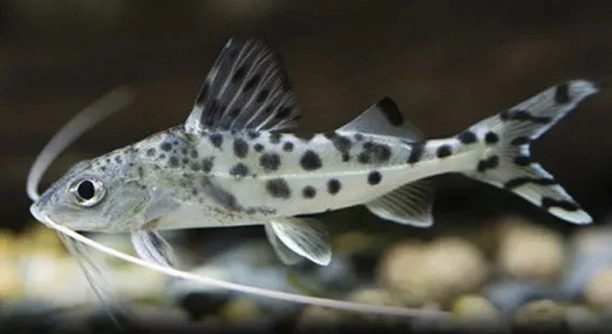
Do you ever find yourself creating decorations for your pictus catfish tank but feel unsure about which materials are truly safe?
The safest materials for DIY pictus decorations include natural rocks, untreated driftwood, PVC pipes, terracotta pots, silicone-based sealants, food-grade plastics, and ceramic items without glaze. These options reduce toxicity risks and maintain water quality.
Each material on this list has its own pros and cons, but they all meet the basic need for safety and durability in aquatic environments.
Natural Rocks: A Classic Choice
Natural rocks are one of the most common and reliable materials for pictus catfish decorations. They are heavy, stable, and available in a wide variety of shapes and sizes. Slate, granite, and lava rocks are popular because they don’t dissolve or alter water chemistry. When preparing rocks for your tank, make sure they are thoroughly cleaned with hot water—avoid soap or chemicals. It’s also helpful to boil smaller rocks to eliminate any harmful bacteria. Always check for sharp edges and smooth them out to prevent your fish from injury. Once placed in the tank, these rocks can double as hiding spots and anchor points for plants. Some aquarists even stack rocks to create tunnels or shaded zones. If you collect rocks yourself, test them with vinegar first. If they fizz, they may contain calcium, which can alter pH levels in your tank and may not be suitable for a soft-water fish like the pictus.
Natural rocks provide sturdy hiding places and support healthy tank conditions. Just remember to avoid any that might leach harmful minerals.
Many fish feel less stressed when they have secure spots to retreat to. Rocks help mimic the natural environment and keep your pictus more relaxed.
PVC Pipes: Functional and Safe
PVC pipes are lightweight, easy to clean, and available in many sizes. They make excellent tunnels or caves for pictus catfish.
Once cut and sanded, PVC pipes become versatile tank features. They won’t break down in water or release any harmful substances. You can use them as simple hollow tubes or combine several to make more complex structures. These pipes are ideal for creating small hideouts that can be buried partially in the substrate or propped behind other decor for a more natural look. Make sure to smooth out all edges after cutting to prevent any scraping or injury to your fish. Some people like to coat the outside with aquarium-safe silicone and gravel to give the pipe a more natural appearance. Others leave them plain for easier cleaning. Either way, PVC is strong, stable, and completely inert in aquariums. This makes it a reliable choice for a tank that needs low-maintenance, long-lasting hiding places.
Terracotta Pots: Affordable and Reliable
Terracotta pots are easy to find and safe for freshwater tanks as long as they are unglazed and untreated. They create simple, functional hiding spots and help fish feel secure.
You can use whole pots or break them to create caves and shelters. Before placing them in the tank, rinse them well with hot water. Avoid using soap or bleach. If breaking a pot, smooth out any sharp edges using sandpaper or a file to keep your pictus catfish from injury. You can place pots sideways, partially buried, or stack them creatively to create a cozy network of hides. They’re heavy enough to stay in place, which is helpful for active fish like pictus. Terracotta also allows some natural algae growth over time, which your fish may find interesting to explore.
Broken terracotta pieces can be especially useful for customizing tight spaces. Just be sure they don’t crumble easily or have cracks that could shatter later. Keep your layout simple at first, then observe how your fish interact with it. If your pictus seems to enjoy swimming through or resting inside, you’ve got a good setup. The pots will blend well with most tank themes, even if you decide to decorate more later on.
Aquarium-Safe Silicone: A Useful Adhesive
Aquarium-safe silicone is great for attaching decorations without releasing toxins. It’s often used to glue rocks, driftwood, or create custom hides from multiple materials.
Let the silicone fully cure before adding the piece to the tank. Curing usually takes 24 to 72 hours, depending on the product.
Food-Grade Plastics: Lightweight and Easy to Shape
Food-grade plastics are a safe option when you need something flexible or lightweight. These materials don’t leach harmful chemicals and can be repurposed from containers you already have at home. Avoid any plastic with printing, labels, or added dyes, unless you’re certain they are aquarium-safe. Always rinse thoroughly with hot water. You can cut or shape them easily to fit your tank’s setup. They’re especially helpful for creating barriers, tunnels, or dividers. Clear plastics can be hidden behind plants or rocks. Though they may not look natural at first, they are reliable and long-lasting when used carefully.
Unglazed Ceramic Items: A Safe Alternative
Unglazed ceramic mugs or tubes make solid hiding spots. Just check that they’re free of paint, glaze, or glossy coatings before placing them in the tank.
What materials are safest for DIY pictus decorations?
The safest materials for pictus decorations are natural rocks like granite and slate, untreated driftwood, PVC pipes, terracotta pots, aquarium-safe silicone, food-grade plastics, and unglazed ceramics. These materials don’t release harmful substances and are durable in freshwater tanks. Avoid anything painted, glazed, or chemically treated.
How do I prepare natural rocks before adding them to my tank?
Clean rocks thoroughly with hot water. Avoid soaps or detergents, as they can leave residues harmful to fish. Boiling smaller rocks helps kill bacteria and parasites. Test rocks with vinegar; if they fizz, they may affect water chemistry and should be avoided. Smooth any sharp edges with sandpaper to protect your fish.
Can I use regular household plastics for decorations?
Only use food-grade plastics that are free from dyes, labels, or chemicals. Rinse them well before adding to your tank. Non-food-grade plastics may release harmful substances over time. Food-grade plastics are lightweight and can be shaped easily, but avoid anything that could leach toxins.
Is it safe to glue decorations in the tank using silicone?
Use only aquarium-safe silicone to glue decorations. Let it cure completely (usually 24 to 72 hours) before placing in the tank. Regular silicone or adhesives contain chemicals harmful to fish. Aquarium silicone is non-toxic once cured and helps keep decorations stable.
Are terracotta pots a good hiding spot for pictus catfish?
Yes, unglazed terracotta pots are great for pictus. They provide stable, heavy hiding places that fish can use to feel secure. Make sure they are clean and free of paint or glaze. If breaking pots for caves, smooth all edges to prevent injuries.
Can ceramic items be used in a pictus tank?
Unglazed ceramic items are safe as long as they have no paint or glaze. They can offer great hiding spots or decoration pieces. Avoid glazed or painted ceramics since they may release harmful substances into the water.
How do I avoid sharp edges on DIY decorations?
Sandpaper or a file can smooth out sharp edges on rocks, broken pots, or cut plastics. This is essential to prevent cuts or damage to your fish. Take your time to check every part of your DIY decorations before adding them to the tank.
What should I avoid when choosing materials for pictus decorations?
Avoid anything painted, glazed, chemically treated, or made from unknown plastics. Also, steer clear of soft woods that rot quickly or metals that rust. Materials that change water chemistry, like limestone or shells, should also be avoided for pictus tanks.
Can I combine different materials in one decoration?
Yes, combining materials like rocks glued to driftwood or PVC pipes covered with silicone and gravel is common. Just ensure every material is safe and the glue is aquarium-safe silicone. Mixing materials can create natural-looking hides and tunnels.
How often should I clean DIY decorations in my pictus tank?
Clean decorations when you do your regular tank maintenance. Remove any algae or debris gently without harsh chemicals. Use a soft brush or cloth with water. Avoid soap or bleach, as residues can harm fish. Regular cleaning keeps your tank healthy and your decorations safe.
When creating decorations for your pictus catfish tank, safety should always be your top priority. Choosing the right materials ensures your fish stay healthy and stress-free. Many natural and man-made materials can work well, but it is important to avoid anything that might release harmful chemicals or change the water’s balance. Natural rocks like granite or slate, unglazed terracotta pots, and untreated driftwood are excellent options because they are stable and safe. Likewise, aquarium-safe silicone and food-grade plastics provide versatility and durability without risking your fish’s well-being. Being mindful about what you use will help you build a comfortable and secure environment for your pictus.
Proper preparation and care of your decorations matter just as much as the materials themselves. Cleaning rocks, pots, and plastics thoroughly before placing them in the tank helps prevent introducing bacteria or unwanted substances. Taking the time to smooth sharp edges also protects your fish from injuries. Additionally, letting adhesives like aquarium silicone fully cure ensures no toxins will leach into the water. Small steps like these may seem simple, but they make a big difference in the health of your aquarium. Keeping a safe and clean habitat will allow your pictus to thrive and enjoy their tank.
Finally, observe your fish and how they use their hiding places after setting up your decorations. Pictus catfish appreciate having spots to retreat to when they feel stressed or want to rest. Different materials offer different benefits—some provide shade, others create tunnels or caves. Watching your fish’s behavior can help you decide if you need to adjust or add more hiding spots. Your goal is to create a balanced environment that meets their needs while keeping maintenance easy. With careful choices and attention, your DIY decorations can make your pictus tank both attractive and safe.

Hello,
If you enjoy the content that we create, please consider saying a "Thank You!" by leaving a tip.
Every little bit helps us continue crafting quality advice that supports the health, happiness, and well-being of pets around the world, for pets of all shapes, sizes, and species.
We really appreciate the kindness and support that you show us!