
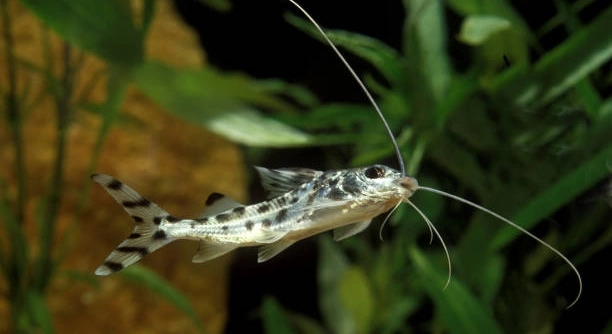
Pictus catfish are popular freshwater fish that need the right environment to stay healthy. Light can sometimes cause them stress, affecting their behavior and wellbeing. Reducing light stress helps create a calm and comfortable tank for these fish.
Reducing light stress for pictus catfish involves controlling light intensity and duration, providing hiding spots, and maintaining a natural day-night cycle. These measures help mimic their natural habitat and promote their overall health and comfort.
Learning simple ways to adjust lighting can improve your pictus catfish’s quality of life and help them thrive in your aquarium.
Control Light Intensity
Pictus catfish prefer dim lighting because they are naturally nocturnal. Bright lights can make them hide or become stressed, which affects their feeding and activity. Using low-wattage bulbs or adjustable aquarium lights helps create a gentle environment. You can also add floating plants or use tank decorations to filter the light and create shaded areas. Avoid placing the tank where it gets direct sunlight, as this can increase brightness and cause temperature changes. Dimming the lights gradually in the evening simulates sunset, signaling to your catfish that it is time to settle down. Keeping the light soft and indirect will help your pictus catfish feel safer and more relaxed, promoting natural behavior.
Adjusting the light intensity properly reduces stress and encourages healthy activity levels in your pictus catfish.
Offering dim and shaded conditions mimics their natural habitat and helps them feel secure in the aquarium.
Provide Hiding Places
Pictus catfish need places to hide when they feel threatened or want to rest. Hiding spots reduce stress and give your fish a sense of safety. Use caves, driftwood, or plants to create these areas in the tank. They will often retreat to these spots during bright times or when the tank is noisy. The more hiding places you offer, the better your catfish can avoid stressful situations. This can prevent illness and encourage natural behaviors like exploring and resting calmly. Make sure the hiding places are easy to access but cozy enough for your fish to feel secure. Proper shelter is essential to their wellbeing and helps reduce light-related stress.
Creating multiple and varied hiding spots encourages pictus catfish to explore without fear and supports their comfort.
Hiding places are crucial in reducing stress by giving fish control over their environment and reducing exposure to intense light.
Maintain a Natural Light Cycle
Keeping a consistent day-night light cycle helps pictus catfish stay healthy. They need periods of darkness to rest properly.
A natural light cycle mimics their environment in the wild, where light gradually changes throughout the day. Use a timer to set about 10–12 hours of light followed by 12–14 hours of darkness. This routine helps regulate their biological clock, reducing stress and encouraging normal behavior. Sudden or irregular light changes can confuse them and cause anxiety. When the lights turn off at night, the tank should be completely dark or very dim to allow full rest.
Avoid leaving the tank light on overnight or for extended periods. Consistency is key for their wellbeing.
Use Soft, Indirect Lighting
Soft, indirect lighting reduces harsh glare that can stress pictus catfish. Bright, direct lights can make them hide or act nervously.
Opt for LED lights with adjustable brightness to create a gentle environment. Position lights so they don’t shine directly into the tank or reflect on the water surface. Using floating plants or broad-leaf plants can diffuse light naturally, providing shaded areas your catfish will appreciate. This helps them feel more secure and encourages natural swimming patterns. Harsh lighting can increase their stress hormones and lead to hiding or inactivity. Soft lighting keeps your tank comfortable and closer to their natural habitat, which benefits their overall health and mood.
Avoid Sudden Light Changes
Sudden changes in lighting can startle pictus catfish and increase stress levels. Keep transitions smooth.
Use dimmers or timers to gradually adjust light intensity. Abrupt brightening or turning off lights may cause anxiety and disrupt their natural behavior patterns.
Limit Exposure to Artificial Light
Artificial light can disturb pictus catfish if used too long or too intensely. Keep artificial lighting controlled to prevent discomfort and stress.
Reducing the hours of artificial light and avoiding strong overhead lights helps maintain a peaceful tank environment. This supports their health by mimicking natural conditions more closely.
Monitor Fish Behavior
Watching your pictus catfish regularly helps identify signs of light stress early. Changes in hiding, swimming, or appetite are important signals.
Early detection of stress allows quick adjustments to lighting or tank setup, improving their comfort and wellbeing.
Use Timers for Consistency
Timers automate light cycles, providing consistent lighting patterns that help pictus catfish adjust naturally and reduce stress.
How can I tell if my pictus catfish is stressed from light?
Signs of light stress in pictus catfish include hiding more than usual, reduced activity, and changes in eating habits. They may stay near shaded areas or freeze in place when lights are bright. Some fish might also show faster breathing or erratic swimming. Watching these behaviors closely helps you know if lighting is a problem.
What kind of light is best for pictus catfish?
Soft, dim lighting is best for pictus catfish. LED lights with adjustable brightness work well because you can reduce glare and mimic natural light conditions. Avoid very bright or harsh overhead lights, which can cause discomfort. Using floating plants or decorations to diffuse light also helps create a calmer environment.
How long should the aquarium light be on each day?
A light cycle of 10 to 12 hours on and 12 to 14 hours off is ideal. This matches their natural day and night rhythms, helping the fish rest and stay active at appropriate times. Using a timer makes it easy to keep this schedule consistent every day.
Can sudden light changes harm my pictus catfish?
Yes, sudden changes in lighting can startle pictus catfish and increase stress. Abrupt light shifts disrupt their comfort and natural behavior. Gradually dimming or brightening lights with a timer or dimmer reduces stress and helps fish adjust smoothly.
Is natural sunlight good for pictus catfish tanks?
Direct natural sunlight is not recommended because it can increase tank temperature and cause bright glare, stressing the fish. Indirect sunlight or shaded placement near windows is better. Controlling light exposure prevents algae overgrowth and helps maintain a stable environment.
Do pictus catfish need complete darkness at night?
Yes, pictus catfish benefit from complete or near-complete darkness during their rest period. This helps regulate their biological clock and promotes healthy sleep. Avoid leaving tank lights on overnight or using very dim night lights unless they are very soft and indirect.
How do hiding places help reduce light stress?
Hiding places allow pictus catfish to escape bright light and feel safe. When fish can retreat to caves, plants, or decorations, they experience less anxiety and stress. Providing multiple hiding spots encourages natural behavior and helps fish feel in control of their environment.
Can lighting affect pictus catfish health beyond stress?
Improper lighting can indirectly impact health by causing stress, which lowers immunity and increases disease risk. Consistent, gentle lighting supports natural behavior and reduces stress-related issues like poor appetite or lethargy. Healthy lighting contributes to overall wellbeing.
What should I do if my pictus catfish shows signs of light stress?
First, reduce light intensity and increase shaded areas in the tank. Check that the light cycle is consistent and not too long. Add hiding spots if needed and avoid sudden light changes. Monitor behavior to see if these adjustments improve their comfort.
Are there specific light colors better for pictus catfish?
Soft white or blue-tinted lights are usually better because they are less harsh. Red or very bright white lights can be too intense and stressful. Experimenting with softer colors can help find what your fish prefer without causing discomfort.
Does tank size affect how light impacts pictus catfish?
Yes, smaller tanks can feel brighter because light is concentrated. Larger tanks allow more natural light diffusion and space for hiding spots. Adjust lighting carefully based on tank size to avoid overly bright conditions.
How often should I check my aquarium lighting setup?
Regularly inspect your lighting setup at least once a week to ensure bulbs are working properly and timers are set correctly. Replace bulbs when they dim or change color, as this can affect light quality and fish comfort.
Is using a light diffuser helpful for pictus catfish tanks?
Yes, a diffuser softens and spreads light evenly, reducing harsh glare. This creates a more natural environment and helps reduce light stress. Diffusers can be purchased or made with materials like frosted glass or plastic films placed over lights.
Can too little light also stress pictus catfish?
While pictus catfish prefer dim lighting, very low or no light for long periods can affect their behavior and feeding. Balanced lighting that mimics natural cycles is best, providing enough light for activity and visibility without causing stress.
Should I adjust lighting if I keep other fish with pictus catfish?
Yes, you need to find a lighting balance that suits all tank inhabitants. Some fish require brighter light, while pictus catfish need softer light. Using plants, decorations, and adjustable lighting helps create zones with different light levels for everyone’s comfort.
Reducing light stress for pictus catfish is important to keep them healthy and comfortable in your aquarium. These fish are naturally nocturnal and prefer dim, soft lighting. Bright or harsh lights can make them nervous and hide more often. By controlling the amount and intensity of light in the tank, you help your catfish feel safe. Using timers to keep a consistent light schedule also supports their natural day and night cycles. This simple step makes a big difference in their wellbeing and behavior.
Providing places for your pictus catfish to hide is just as important as managing the light itself. Hiding spots give the fish a way to escape when the light feels too strong or when they want to rest. Decorations like caves, plants, or driftwood create shaded areas where your fish can feel protected. This reduces stress and encourages natural behavior, such as exploring and resting comfortably. When the fish can choose their level of exposure to light, they are less anxious and more active during the right times.
It is also helpful to observe your pictus catfish regularly to notice any signs of light stress. Changes in behavior, like hiding all day, not eating well, or swimming strangely, can indicate the light setup needs adjustment. Making gradual changes to light intensity, using soft bulbs, and avoiding sudden light shifts will improve their comfort. Remember that good lighting practices not only reduce stress but also promote long-term health for your pictus catfish. A calm and well-lit environment helps them thrive and stay active in your aquarium.

Hello,
If you enjoy the content that we create, please consider saying a "Thank You!" by leaving a tip.
Every little bit helps us continue crafting quality advice that supports the health, happiness, and well-being of pets around the world, for pets of all shapes, sizes, and species.
We really appreciate the kindness and support that you show us!