
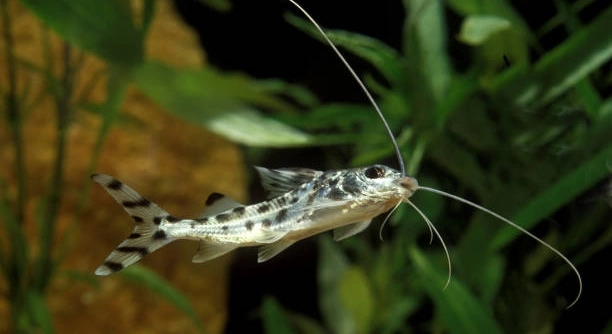
Choosing compatible bottom dwellers for your Pictus catfish is important to keep a peaceful and healthy aquarium. These fish spend most of their time near the tank’s bottom and need suitable tank mates. Proper selection helps maintain balance and reduces stress.
The best compatible bottom dwellers for Pictus catfish are peaceful species that share similar water parameters and behaviors. Ideal companions include small, non-aggressive fish like Corydoras catfish, kuhli loaches, and certain types of shrimp. These species coexist without competing for food or territory.
Finding the right companions will create a calm environment for your Pictus catfish and keep your aquarium thriving. Understanding their needs will make fishkeeping more enjoyable and successful.
Understanding Pictus Catfish Behavior
Pictus catfish are active and social bottom dwellers. They prefer to swim in groups and explore the tank continuously. These fish are peaceful but can be quite fast and sometimes jumpy. Because of their active nature, they do best with tank mates that won’t stress them or compete aggressively for space. Pictus catfish need plenty of hiding spots and open swimming areas. Their natural habitat includes rivers with moderate currents, so they appreciate a well-oxygenated tank with gentle water flow. When selecting compatible bottom dwellers, it is important to consider species that tolerate similar water conditions and have calm temperaments. Avoid overly aggressive or very slow-moving fish that might get bullied or outcompeted. Providing the right environment and companions will help keep your Pictus catfish healthy and comfortable in the aquarium.
Matching water conditions and temperament helps keep harmony among bottom dwellers in the tank.
Choosing compatible fish improves the overall well-being and reduces stress, leading to a healthier aquarium.
Popular Compatible Bottom Dwellers
Corydoras catfish are one of the most popular choices to keep with Pictus catfish. They are small, peaceful, and share similar water preferences. Kuhli loaches are also a great match because they are gentle and enjoy burrowing in the substrate. Some shrimp species like Amano and Ghost shrimp can coexist without bothering the Pictus catfish. These companions usually avoid direct competition and stay out of the way, making the tank balanced. It’s best to avoid aggressive bottom dwellers or those requiring very different water conditions. Keeping a group of compatible species that respect each other’s space helps maintain peace and health in the aquarium.
Before adding new fish, ensure your tank is large enough and well-maintained.
A tank size of at least 30 gallons is recommended for Pictus catfish and their companions. Regular water changes and monitoring parameters like pH, temperature, and ammonia levels are necessary for their health. Feeding should be balanced, providing sinking pellets and occasional live or frozen foods. Be mindful of the different feeding habits among species to prevent competition and stress. Proper care and attention to each species’ needs will encourage harmony and longevity. By choosing the right companions and maintaining good tank conditions, your aquarium will thrive and the Pictus catfish will be happy and active.
Tank Setup for Bottom Dwellers
A suitable tank setup is essential for bottom dwellers to thrive. Soft substrate like sand or smooth gravel helps protect their delicate barbels. Hiding places such as caves, driftwood, and plants provide security and reduce stress.
Maintaining stable water parameters is crucial. Pictus catfish and their compatible bottom dwellers prefer temperatures between 72°F and 78°F and a pH of 6.5 to 7.5. Regular water changes keep ammonia and nitrite levels low, which is vital for their health. Adding gentle filtration ensures clean water without creating strong currents that may tire the fish. Soft lighting mimics their natural environment and encourages natural behaviors.
Substrate choice affects feeding habits and overall comfort. A fine sand bed allows bottom dwellers to search for food without damaging their barbels. Plants not only provide shelter but also improve water quality by absorbing nitrates. Good tank setup promotes calm, active fish and reduces aggression.
Feeding and Care Tips
Bottom dwellers like Pictus catfish need a diet that sinks quickly. Sinking pellets, wafers, and frozen foods suit their feeding style. Feeding small amounts twice a day prevents leftover food from polluting the tank. It’s important to provide variety to ensure balanced nutrition.
Some bottom dwellers prefer live or frozen foods like bloodworms or brine shrimp, which can help keep them healthy and active. Observing feeding behavior helps adjust the diet and prevents overfeeding. Regularly checking water parameters supports good health, as dirty water can stress fish and lead to illness. Paying attention to each species’ needs ensures a peaceful community tank.
Cleaning the tank and performing partial water changes weekly keeps the environment stable. Avoid sudden changes in temperature or water chemistry. Watching for signs of disease or stress allows quick action to protect your fish. Proper feeding and care maintain harmony and longevity for your bottom dwellers.
Common Challenges with Bottom Dwellers
Stress is a common issue when bottom dwellers are kept with incompatible tank mates. Overcrowding or aggressive fish can cause hiding and reduced activity. Monitoring behavior helps catch problems early.
Poor water quality often leads to illness. Regular maintenance and water testing prevent harmful buildups of toxins. Clean tanks promote healthy fish and clear water.
Signs of Incompatibility
Aggressive chasing, fin nipping, or constant hiding are clear signs that fish do not get along. Some species may refuse to eat or show signs of stress, like faded colors or rapid breathing. Recognizing these behaviors quickly allows for adjustments in the tank.
Adjusting Your Tank Setup
Changes in decoration, hiding spots, or separating aggressive fish can restore peace. Introducing new companions slowly helps fish adapt without conflict.
Breeding Considerations
Breeding can change fish behavior and increase territorial disputes. Preparing separate tanks for breeding pairs may be necessary to keep harmony.
FAQ
What bottom dwellers are best for Pictus catfish?
The best bottom dwellers for Pictus catfish are peaceful species with similar water needs. Corydoras catfish, kuhli loaches, and certain types of shrimp like Amano or Ghost shrimp fit well. These fish do not compete aggressively for food or space and help keep the tank calm and balanced.
Can aggressive bottom dwellers live with Pictus catfish?
Aggressive bottom dwellers should be avoided. Pictus catfish are peaceful but active, and aggressive tank mates may stress them or cause injury. Aggression can lead to hiding, poor feeding, or even physical harm. Peaceful companions are always safer to maintain harmony in the tank.
How many bottom dwellers should I keep with Pictus catfish?
A group of three to six bottom dwellers usually works well with a small group of Pictus catfish. Overcrowding can increase stress and waste buildup, so tank size matters. A minimum 30-gallon tank is recommended to comfortably house these fish with their companions.
What kind of substrate is best for Pictus and their tank mates?
Soft substrates like sand or fine gravel are best. Hard or rough substrates can damage the delicate barbels of Pictus catfish and other bottom dwellers. A smooth substrate also makes it easier for these fish to search for food and reduces stress.
How do I keep water conditions stable for these fish?
Regular water changes of 20-30% weekly help maintain clean and stable water. Use a gentle filter to avoid strong currents. Test the water often for ammonia, nitrite, nitrate, pH, and temperature. Keeping these parameters within the proper range is essential for fish health.
What do Pictus catfish eat compared to other bottom dwellers?
Pictus catfish eat sinking pellets, frozen or live foods like bloodworms, and small insects. Corydoras and loaches also prefer sinking foods but may enjoy flakes or wafers designed for bottom feeders. Feeding variety is important to meet all nutritional needs and prevent competition.
How can I tell if my bottom dwellers are stressed?
Signs of stress include hiding more than usual, loss of appetite, faded colors, rapid breathing, or erratic swimming. These behaviors can result from poor water quality, aggression, or unsuitable tank mates. Prompt action is needed to improve conditions and reduce stress.
Can Pictus catfish jump out of the tank?
Yes, Pictus catfish are known to be jumpers. It’s important to have a secure lid on the tank to prevent escapes. Keeping water levels slightly below the tank edge also helps reduce jumping risks.
How often should I feed bottom dwellers in a community tank?
Feeding small amounts twice a day is best. This prevents leftover food from polluting the water and encourages healthy eating habits. Observing how much the fish eat helps avoid overfeeding, which can lead to poor water quality.
Do bottom dwellers need plants or decorations?
Yes, plants and decorations provide hiding spots that reduce stress and aggression. Live plants also help improve water quality by absorbing nitrates. Driftwood and caves offer shelter and mimic natural habitats, helping fish feel secure and active.
Choosing compatible bottom dwellers for Pictus catfish requires careful thought and attention to their natural behavior and needs. These fish prefer peaceful companions that share similar water conditions and won’t compete aggressively for food or space. Species like Corydoras catfish, kuhli loaches, and certain shrimp make good tank mates because they coexist calmly and adapt well to the same environment. Avoiding aggressive or very slow-moving bottom dwellers helps reduce stress and keeps the aquarium balanced. Providing the right combination of fish creates a peaceful tank where everyone can thrive.
A good tank setup is just as important as choosing the right fish. Soft substrates like sand or fine gravel protect the delicate barbels of bottom dwellers and allow them to search for food comfortably. Plenty of hiding places, such as caves, plants, and driftwood, help reduce stress by giving fish safe spots to retreat to. Maintaining stable water conditions, including temperature, pH, and clean water, is essential for the health of all inhabitants. Regular water changes and gentle filtration support a healthy aquarium environment. Proper feeding routines with sinking pellets and occasional live or frozen foods ensure each species gets the nutrition it needs.
Taking care of bottom dwellers alongside Pictus catfish requires patience and observation. Watch for signs of stress or incompatibility, such as aggression, hiding, or loss of appetite, and adjust your setup if needed. Keeping the tank clean and feeding fish the right amount prevents many common problems. With the right tank mates, environment, and care, Pictus catfish and their companions will live active, healthy lives. Being thoughtful about their needs will help create a balanced and enjoyable aquarium for everyone involved.

Hello,
If you enjoy the content that we create, please consider saying a "Thank You!" by leaving a tip.
Every little bit helps us continue crafting quality advice that supports the health, happiness, and well-being of pets around the world, for pets of all shapes, sizes, and species.
We really appreciate the kindness and support that you show us!