
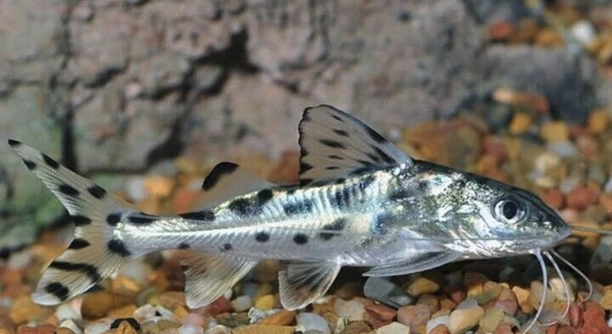
Pictus catfish are popular freshwater fish known for their sleek appearance and active nature. Many owners enjoy watching them glide gracefully across the tank. However, these fish can sometimes show signs of boredom that may affect their well-being.
Boredom in pictus catfish is often indicated by subtle changes such as reduced activity, lack of interest in food, and repetitive swimming patterns. These behaviors suggest the fish’s environment may not be stimulating enough to meet their natural needs.
Recognizing these signs early can help improve your catfish’s quality of life and create a more engaging tank environment for them.
Decreased Activity and Lethargy
When pictus catfish grow bored, one of the first signs is a drop in their usual activity level. Normally, these fish are energetic, exploring their tank and swimming actively. But boredom can make them slow down and spend more time resting in one spot. You might notice your catfish lying still at the bottom or hiding for longer periods than usual. This lack of movement is a clear signal that something is missing in their environment. It’s important to observe these changes early because continued inactivity can affect their health and appetite. Sometimes, the tank setup may be too plain or small, limiting their ability to explore and interact. Adding decorations or rearranging the tank can help stimulate their curiosity and encourage more natural behaviors. Keeping the water clean and maintaining good water conditions is also essential to support their energy levels.
Lethargy is a visible sign that your pictus catfish needs more stimulation to stay healthy and active.
Understanding why they slow down helps you create a better tank environment to keep them lively and content.
Loss of Appetite
A bored pictus catfish often eats less or shows little interest in food. This change can be subtle at first, with them ignoring certain meals or eating slower than usual. Over time, if the boredom persists, their appetite may decrease significantly. Food is a key source of interaction with their environment, so a lack of interest might indicate that they feel unstimulated. This can lead to nutritional problems and weaken their immune system, making them more vulnerable to illness. To combat this, try varying their diet or introducing live or frozen foods to spark their interest. Feeding times can also become moments of enrichment by scattering food in different areas or using feeding toys. These small changes encourage natural hunting behaviors and provide mental stimulation that reduces boredom.
Providing a varied and engaging feeding routine can help restore your catfish’s appetite and overall health.
Repetitive Swimming Patterns
Pictus catfish showing boredom may swim in repetitive loops or back-and-forth motions. This behavior is different from their usual exploratory swimming and suggests a lack of stimulation in their tank.
These repetitive movements often indicate frustration or a desire for something more engaging. In the wild, pictus catfish roam larger areas, so a small or empty tank can limit their natural behavior. When stuck with little to do, they resort to these patterns out of boredom. To reduce this, adding plants, hiding spots, or structures encourages more varied swimming paths and exploration. Introducing tank mates can also create interaction and break the monotony. These adjustments help mimic their natural environment and keep them mentally engaged.
Without change, these repetitive behaviors may become constant, which can stress your fish. Changing the tank environment is crucial to preventing boredom and promoting healthy activity.
Increased Hiding Behavior
When bored, pictus catfish often hide more than usual. They may retreat behind decorations or stay out of sight for long periods, avoiding interaction.
Hiding is a natural behavior for these fish, but excessive hiding usually signals discomfort or boredom. When their tank lacks stimulation or space, they prefer to stay hidden instead of exploring. Providing more hiding spots with caves or plants can help, but the key is to balance hiding areas with open spaces to encourage movement. Additionally, regular changes in the tank layout can pique their curiosity and reduce excessive hiding. Ensuring they feel safe while having enough stimuli helps them feel comfortable and active. Increased hiding might also result from stress or illness, so monitoring other behaviors and water conditions is important. Creating a lively and secure tank environment can help reduce this tendency and promote better well-being.
Lack of Interaction
Bored pictus catfish often avoid interacting with their tank mates or owners. They may seem indifferent when approached or show little response to movement outside the tank.
This lack of interaction can signal low mental stimulation. These fish usually respond to activity around them but may shut down if bored or stressed.
Excessive Resting
Pictus catfish that are bored spend more time resting than usual. They may lie still on the tank floor or cling to decorations, showing less interest in swimming or exploring.
This behavior is a sign they need a more engaging environment to encourage activity and prevent lethargy.
Minimal Exploration
When bored, pictus catfish explore their tank less frequently. They stick to familiar spots and rarely investigate new areas or objects, which limits their natural curiosity and mental engagement.
Creating a more dynamic tank environment can stimulate their exploratory behavior and overall well-being.
FAQ
How can I tell if my pictus catfish is bored or sick?
Boredom and illness can sometimes show similar signs like lethargy or loss of appetite. However, sickness often comes with additional symptoms such as discoloration, clamped fins, or unusual swimming patterns. Bored fish mostly show repetitive swimming or increased hiding without visible physical changes. Regular water testing and observation help distinguish the two. If your fish seems inactive but has no physical signs of illness, boredom is likely. If symptoms worsen or physical issues appear, consider consulting a vet or fish expert.
What are simple ways to reduce boredom in pictus catfish?
Adding plants, rocks, or decorations creates hiding spots and encourages exploration. Rearranging these elements regularly helps keep the environment fresh. Introducing live or frozen foods can stimulate natural hunting behaviors. Tank mates that are peaceful and active may provide social interaction. Also, ensuring the tank is large enough for free swimming is important. Even small changes can make a big difference in keeping your fish engaged.
Is tank size important for preventing boredom?
Yes, tank size is very important. Pictus catfish are active swimmers that need space to move freely. A small tank restricts their movement and can lead to boredom and stress. Ideally, a tank should be at least 30 gallons for a single pictus catfish, with extra space if you have more. Larger tanks allow for varied swimming paths and help keep fish physically and mentally healthy.
Can I use toys or objects to entertain my pictus catfish?
While pictus catfish don’t play with toys like some pets, objects like floating plants, caves, or tubes can add interest to their tank. These objects encourage natural behaviors such as exploring and hiding. You can also scatter food in different areas to mimic foraging. Movement from a gentle water current or air stones can create stimulation. Always make sure objects are safe and won’t harm your fish.
How often should I change the tank layout to prevent boredom?
Changing the tank layout every few weeks or monthly can keep your pictus catfish curious. Small adjustments like moving plants or decorations encourage exploration without causing stress. Avoid big sudden changes, as these can frighten the fish. Gradual, thoughtful rearrangement provides a fresh environment and reduces repetitive behavior caused by boredom.
Are social interactions important for pictus catfish?
Yes, pictus catfish can benefit from having peaceful tank mates. They are social fish and enjoy company, which can reduce boredom. However, it’s important to choose compatible species that won’t stress or compete aggressively. A community tank with calm fish encourages natural social behaviors and mental stimulation.
What signs mean boredom is affecting my pictus catfish’s health?
Signs include consistent lethargy, loss of appetite, repetitive swimming, and excessive hiding. Over time, boredom can weaken their immune system, making them more vulnerable to disease. Behavioral changes like aggression or stress responses might also appear. If you notice these signs, it’s important to improve the tank environment and monitor water quality to support their health.
Can feeding routines help reduce boredom?
Yes, varying feeding routines can help. Offering different types of food like live or frozen options stimulates natural hunting instincts. Spreading food around the tank or using feeding tools can create more interaction during feeding time. This keeps the fish engaged and adds mental stimulation beyond regular feeding.
Is water quality linked to boredom in pictus catfish?
Poor water quality can increase stress and worsen signs that look like boredom. Clean, stable water is essential for healthy behavior and energy. Regular water changes, proper filtration, and monitoring parameters like pH and ammonia levels help maintain good conditions. Healthy fish are more likely to stay active and curious.
What should I do if my pictus catfish continues to show signs of boredom despite changes?
If boredom signs persist, consider increasing tank size or adding more environmental enrichment. Sometimes, the fish may need more complex surroundings or social interaction. Review water quality and health status to rule out illness. Consulting with a fish care specialist can provide tailored advice for your situation. Patience and gradual adjustments are key to improving your catfish’s well-being.
Final Thoughts
Pictus catfish are active and curious fish that need a stimulating environment to stay healthy and happy. Boredom can show in many small ways, like less movement, hiding more, or repeating the same swimming paths. These signs may seem subtle, but they can affect your fish’s well-being if ignored. Recognizing boredom early is important because it helps you make changes that improve their quality of life. Simple adjustments in the tank setup or feeding routine can make a big difference in keeping your pictus catfish engaged.
Creating a good environment means offering enough space, hiding spots, and decorations to explore. Rearranging plants or adding new objects occasionally keeps the tank interesting for your fish. It’s also helpful to vary their food to stimulate natural behaviors like hunting. If you have more than one fish, choosing peaceful tank mates can provide social interaction, which reduces boredom further. Good water quality and proper tank maintenance support their health, so regular testing and cleaning are key parts of care.
Boredom is a common issue in aquarium fish but can be managed with attention and effort. By observing your pictus catfish closely, you can catch the signs early and act quickly. Remember that every fish is different, so it might take some time to find what works best for your catfish. Taking steps to prevent boredom helps your fish live a fuller, more active life. Keeping your pictus catfish mentally and physically stimulated will lead to a healthier, happier pet and a more enjoyable experience for you as their caretaker.

Hello,
If you enjoy the content that we create, please consider saying a "Thank You!" by leaving a tip.
Every little bit helps us continue crafting quality advice that supports the health, happiness, and well-being of pets around the world, for pets of all shapes, sizes, and species.
We really appreciate the kindness and support that you show us!