
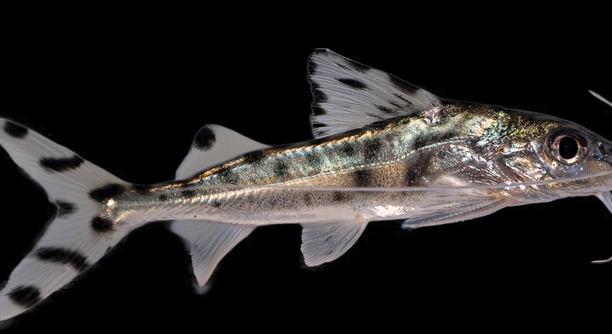
Do you ever find yourself watching your Pictus catfish swim together and start to wonder how they interact as a group? These energetic little fish often move quickly, making it hard to spot patterns at first.
Pictus catfish do not form structured hierarchies with a clearly dominant individual. While they may show occasional signs of territorial behavior or assertiveness, they typically coexist peacefully without establishing a fixed pecking order within the group.
Learning how these catfish relate to one another can help you build a more comfortable tank environment and avoid common behavior issues.
Why Pictus Catfish Don’t Need a Leader
Pictus catfish are naturally active and social, but they don’t rely on a dominant leader to keep order. Instead, they tend to swim in loose groups, sometimes chasing or nudging each other without real aggression. Their group behavior is more about staying safe and feeling secure than about rank. In the wild, these fish live in murky rivers where sticking close together can help them avoid predators. This instinct carries into the home aquarium, where they often swim side-by-side or hide in the same area. When kept in groups of three or more, they usually show fewer signs of stress and behave more calmly overall. Fighting is rare, and most interactions are harmless. These fish may occasionally compete for hiding spots or food, but it doesn’t mean one fish is “in charge.” Instead, it’s just a temporary behavior that quickly passes.
Short chases during feeding time may look like dominance, but they’re usually harmless and brief.
As long as your tank has enough space and hiding spots, your Pictus catfish will naturally sort things out without needing a leader. Watching them swim together and explore their space is often more about comfort than control.
What to Watch For in Group Behavior
Some minor chasing can happen, especially during feeding or in small tanks.
A crowded or poorly set-up tank can lead to stress, which sometimes causes one fish to act more aggressively than usual. This behavior might look like dominance, but it’s often a sign that something in the environment isn’t right. Pictus catfish are fast swimmers and need open space along with places to hide. If these needs aren’t met, the most confident fish may start to act out, not because it wants to lead, but because it feels unsafe or threatened. Providing a larger tank, smooth decorations, and multiple hiding spots can help reduce any tension. Watching your fish closely during feeding times and making sure food is spread out can also stop competition before it starts. A balanced tank setup keeps everyone calm and active without the need for one fish to take control.
Signs Your Pictus Catfish Feel Secure
When Pictus catfish feel safe, they swim actively and explore their surroundings. They often move together loosely, sometimes resting in the same hiding spots or cruising the tank in short bursts of energy. Calm, steady movement is usually a good sign.
If your fish are eating well, swimming confidently, and not hiding all the time, they’re likely comfortable in their environment. Pictus catfish are naturally shy, but when they feel safe, they become more visible and curious. Occasional short chases are normal, especially during feeding or when exploring. It only becomes a concern if one fish constantly hides or shows signs of injury. You may also notice your fish coming out more during dim lighting or after a tank cleaning—they tend to follow movement and enjoy mild activity. The more at ease they are, the more likely they’ll show their playful side without becoming aggressive.
A stressed Pictus catfish will often avoid other fish, dart around unpredictably, or hide for long periods. If this happens, check your water parameters and tank layout. Cramped space or strong lighting can make them feel exposed. Adding plants or caves helps them feel secure. Keep a peaceful tank environment, and your fish will behave more naturally and less fearfully.
How to Prevent Aggressive Behavior
Tank size plays a major role in behavior. A small tank can increase stress, which may lead to nipping or constant hiding.
For a group of Pictus catfish, aim for a tank size of at least 55 gallons. This gives them enough space to swim freely and claim personal hiding spots. Use driftwood, caves, or smooth rocks to build areas where they can rest without being disturbed. Lighting should be gentle—too much brightness can keep them in hiding. If you feed them at the same time, spread the food across the tank to reduce chasing. They do best with peaceful tank mates who won’t nip or compete for space. Avoid slow fish with long fins, since Pictus may be tempted to chase them. Keep water conditions stable with regular cleaning and monitoring. A calm environment encourages them to show their natural, social behavior without becoming too territorial.
Tank Mates and Group Size
Keeping Pictus catfish in groups of at least three helps reduce stress and keeps them active. A solo fish may become anxious, while a group offers comfort and helps them feel secure in the tank.
Choose tank mates that are quick and peaceful. Avoid slow, long-finned fish like angelfish, as Pictus catfish may chase them out of curiosity or boredom.
Feeding Without Competition
Feeding your Pictus catfish properly helps avoid unnecessary chasing or tension. Offer sinking pellets, as these fish prefer to feed near the bottom. Spread the food across different spots in the tank so each fish can grab their share. Feeding once or twice a day is usually enough. You can also mix in frozen or live food occasionally to keep things interesting. When food is spread out and not clumped in one place, your fish are less likely to chase or nip at each other. Calm feeding routines often lead to more relaxed behavior throughout the day.
Final Thoughts on Group Behavior
Peaceful group behavior comes down to space, setup, and consistent care. When their needs are met, Pictus catfish will live together calmly without needing a dominant leader.
FAQ
Do Pictus catfish fight for dominance?
Pictus catfish rarely establish a strict dominance hierarchy. They may chase or nudge each other occasionally, especially during feeding or if space is limited, but this behavior is usually brief and not aggressive. Most of the time, they swim peacefully side by side without one fish trying to control the others.
How many Pictus catfish should be kept together?
It’s best to keep Pictus catfish in groups of three or more. Being in a small group helps reduce stress and encourages natural social behavior. A larger group can spread out any mild competition, making each fish feel more secure and active.
What size tank is needed for a group?
A tank of at least 55 gallons is recommended for a group of Pictus catfish. They need plenty of swimming space and hiding spots. A larger tank allows them to avoid constant close contact, which helps reduce tension and aggressive behavior.
What tank mates are suitable?
Good tank mates are peaceful, fast swimmers that won’t compete aggressively for space. Avoid slow or long-finned fish like angelfish or bettas, since Pictus catfish may chase or nip at their fins out of curiosity or boredom. Corydoras, danios, and peaceful tetras often make good companions.
How should I feed Pictus catfish to prevent fighting?
Feed sinking pellets or wafers designed for bottom feeders. Spread food around the tank instead of dropping it all in one place. This gives each fish a chance to eat without competition. Feeding once or twice a day, with occasional treats like frozen bloodworms, helps keep them healthy and calm.
Do Pictus catfish show signs of stress?
Yes, stressed Pictus catfish may hide excessively, swim erratically, or avoid other fish. Poor water quality, small tanks, or lack of hiding places often cause stress. Regular water changes, proper tank size, and plenty of shelters help them stay relaxed and healthy.
Can one Pictus catfish become aggressive?
Occasionally, one fish might act more assertively, especially if the tank is crowded or lacks hiding spots. This behavior is usually about feeling unsafe rather than true dominance. Improving tank conditions and space typically reduces aggression.
Do Pictus catfish need hiding spots?
Yes, hiding places like caves, driftwood, or plants are essential. These spots provide refuge and reduce stress, allowing the fish to rest and feel secure. Without enough hiding areas, they may become more restless or aggressive.
Are Pictus catfish nocturnal?
Pictus catfish are mostly active during the evening and night but can be seen swimming during the day if they feel safe. They prefer dim lighting and often hide when the tank is brightly lit. Adjusting lighting to a softer level helps them show natural behavior.
Can Pictus catfish live alone?
They can survive alone but tend to be shy and may become stressed or inactive. Keeping them in small groups mimics their natural social setting and encourages healthier, more natural behavior.
How do I know if my Pictus catfish are healthy?
Healthy Pictus catfish swim actively, have clear eyes, smooth skin, and eat regularly. They should not show signs of damage, such as torn fins or unusual spots. If they are hiding constantly or swimming erratically, it may be time to check water quality or tank conditions.
What water conditions do they prefer?
Pictus catfish thrive in temperatures between 72°F and 78°F with a pH around 6.5 to 7.5. They prefer clean, well-oxygenated water with moderate current. Regular water changes and good filtration are important to keep them healthy.
Do Pictus catfish grow large?
They can grow up to 4-5 inches long, so tank size should account for their adult size. Providing ample space helps prevent stress and aggressive behavior as they mature.
Are Pictus catfish suitable for beginners?
They are a good choice for aquarists with some experience. They require a larger tank and stable water conditions, but they are hardy and peaceful fish when kept in proper groups with the right environment.
Can Pictus catfish be kept with shrimp or snails?
They may occasionally eat small shrimp or snails, especially if hungry. If you want to keep these in the same tank, make sure there are plenty of hiding places, and monitor interactions closely.
How long do Pictus catfish live?
With proper care, they can live 8 to 10 years. Maintaining good water quality and a peaceful environment helps ensure a long, healthy life.
Pictus catfish are peaceful fish that do well in groups without a clear leader. They do not form strict social hierarchies or dominant roles like some other fish species. Instead, their group behavior is mostly about feeling safe and staying comfortable. When kept in a well-maintained tank with enough space, they swim and explore together without much conflict. Occasional chasing or nudging can happen, but this is normal and usually brief. It is important to remember that these interactions do not mean one fish is trying to dominate the others. They are simply part of how Pictus catfish communicate and move around.
Creating a suitable environment helps keep Pictus catfish calm and healthy. A tank of at least 55 gallons with plenty of hiding spots, such as caves, plants, and driftwood, allows them to rest and feel secure. Soft lighting and clean water also contribute to their well-being. When food is spread across the tank and feeding is done regularly, competition decreases. Choosing peaceful tank mates that swim quickly and do not have long fins prevents unnecessary chasing or aggression. Paying attention to these details helps reduce stress in the group and encourages more natural, relaxed behavior from your catfish.
Overall, Pictus catfish are social creatures that enjoy the company of their own kind, but they do not need a dominant leader to function as a group. Their behavior reflects their need for safety and comfort rather than control or power. By providing the right tank setup, enough space, and a balanced feeding routine, you create the best conditions for your catfish to thrive. Watching their natural interactions can be rewarding and fun, especially when you see them confidently exploring their home and coexisting peacefully. Taking care of these small details makes all the difference in keeping your Pictus catfish happy and healthy over the long term.

Hello,
If you enjoy the content that we create, please consider saying a "Thank You!" by leaving a tip.
Every little bit helps us continue crafting quality advice that supports the health, happiness, and well-being of pets around the world, for pets of all shapes, sizes, and species.
We really appreciate the kindness and support that you show us!