
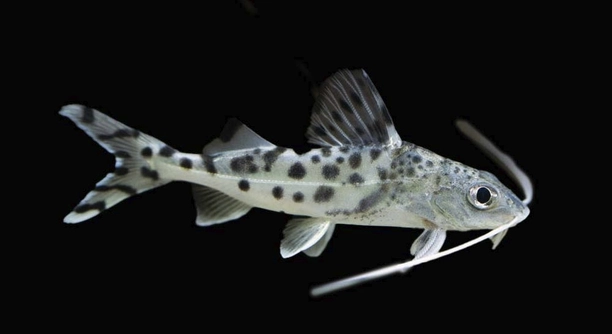
Cleaning a pictus tank requires care to avoid stressing the fish. Proper maintenance helps keep the environment healthy and the fish comfortable. Many aquarists seek gentle methods that reduce disturbance while ensuring cleanliness.
The best way to clean a pictus tank without stirring stress involves slow water changes, careful substrate cleaning, and minimal handling. Using tools like siphons and gentle brushes helps maintain cleanliness while preserving the fish’s calm environment.
This guide will explain practical steps to keep your tank clean without causing anxiety for your pictus catfish. Following these tips supports a healthy, peaceful aquatic habitat for your fish.
Preparing Your Tank for Cleaning
Before starting the cleaning process, it is important to prepare your tank carefully. First, gather all necessary equipment such as a siphon, algae scraper, clean buckets, and a water conditioner. Make sure the replacement water is treated to remove chlorine and adjusted to the same temperature as the tank water. Turning off electrical equipment like filters and heaters during cleaning prevents damage and ensures safety. Removing decorations or plants carefully helps access areas where dirt accumulates, but avoid stirring up the substrate too much. Preparing in advance reduces stress on your pictus catfish and makes the cleaning smoother. Taking these small steps can protect the fish and help maintain stable water conditions throughout the process.
Preparation is key to minimizing disturbance and ensuring an efficient cleaning session that supports the health of your fish.
Having everything ready before you start allows you to work quickly and calmly. This helps avoid sudden changes in water quality and limits the movement that can unsettle your pictus catfish. A well-prepared tank also means fewer surprises, so the cleaning goes smoothly. Using a soft brush and gentle suction on the gravel avoids stirring up too much debris or frightening your fish. Focus on cleaning about 25% of the water and carefully removing visible waste without disrupting the entire environment. This careful approach maintains a stable habitat and keeps your pictus comfortable.
Methods to Clean Without Stressing Pictus Catfish
Using slow water changes is the safest method to clean without causing stress. Changing a small amount of water regularly keeps the tank stable and reduces sudden shifts in temperature or chemistry that upset the fish. Avoid deep substrate cleaning all at once; instead, clean small areas gradually over time. Using a siphon to gently remove debris from the gravel is effective without disturbing the fish too much. When cleaning decorations, soak and wipe them outside the tank rather than scrubbing inside. Maintaining a consistent routine and environment helps pictus fish feel secure, reducing their stress during maintenance.
Regular small cleanings and gentle handling are essential to keeping your tank clean and your pictus calm. This approach helps preserve the tank’s balance and prevents the buildup of harmful substances while maintaining a peaceful environment for your fish to thrive.
Maintaining Water Quality
Consistent water testing is crucial for pictus tanks. Monitoring ammonia, nitrite, and nitrate levels helps prevent harmful spikes. Using a reliable test kit ensures you can catch problems early before they affect your fish’s health.
Keeping water parameters stable reduces stress for pictus catfish. Regular partial water changes help maintain clean water and balanced chemistry. Avoid overfeeding, as leftover food can decay and increase toxins. Removing uneaten food promptly minimizes waste buildup. Additionally, clean the filter media gently during water changes to preserve beneficial bacteria. Proper filtration supports a healthy nitrogen cycle, which is essential for breaking down harmful compounds. Taking these steps will help keep your tank environment safe and comfortable for your pictus catfish.
Good water quality also means controlling temperature and oxygen levels. Pictus catfish prefer cooler, well-oxygenated water. Use a thermometer to monitor temperature and an air pump or surface agitation to increase oxygen. Avoid sudden temperature changes, which can stress your fish. Maintaining these conditions supports the overall health and activity of your pictus, making cleaning less disruptive to their routine.
Handling Pictus Catfish During Cleaning
Minimize direct contact with your pictus catfish during tank cleaning. Handling can cause stress and possible injury. Use gentle movements and avoid chasing or cornering them while working in the tank.
If it becomes necessary to temporarily remove your fish, use a clean, well-aerated container with water from the tank. Keep the container covered to reduce light and movement, which helps the fish stay calm. Do not keep your pictus out of the tank for longer than necessary. Return them carefully to avoid sudden temperature or water quality changes. Limiting handling time and stress is vital for their health.
Sometimes, rearranging tank decorations can frighten your fish. Try to keep familiar landmarks in place to provide a sense of security. Moving items slowly and methodically helps pictus catfish adjust without panic. This reduces stress and prevents injury during the cleaning process.
Choosing the Right Cleaning Tools
Selecting gentle tools is essential for a stress-free clean. Avoid harsh scrapers or abrasive pads that can damage the tank or frighten your pictus catfish. Soft brushes and siphons designed for aquariums work best to keep the environment safe.
Using a gravel vacuum with adjustable suction helps remove debris without stirring too much sediment. This prevents cloudiness and reduces fish disturbance. Choosing the right equipment ensures effective cleaning while protecting your fish’s well-being.
Managing Algae Growth
Regular light control helps limit algae growth. Avoid placing the tank in direct sunlight and use a timer for consistent lighting hours. This reduces excessive algae that can harm the tank’s balance.
Avoiding Overcleaning
Overcleaning disrupts beneficial bacteria vital to the tank’s ecosystem. Excessive cleaning can cause water quality issues, stressing pictus catfish and making them vulnerable to illness.
Using Natural Deterrents
Certain plants and algae-eating species can help control algae naturally. Adding these to your tank supports balance and reduces the need for frequent manual cleaning.
FAQ
How often should I clean my pictus tank?
Cleaning your pictus tank every one to two weeks is generally ideal. Regular maintenance prevents waste buildup without stressing the fish. Partial water changes and light gravel vacuuming during each session help maintain water quality and keep the environment stable.
Can I clean the tank while the fish are inside?
Yes, but be gentle. Use slow, deliberate movements and avoid stirring the substrate too much. Cleaning small areas at a time reduces stress. If heavy cleaning is needed, consider temporarily moving the fish to a separate container with tank water.
What is the best way to clean the substrate?
Use a siphon gravel vacuum with adjustable suction to remove debris without disturbing the substrate excessively. Clean about 25% of the gravel each time to avoid stirring up too much dirt and causing water cloudiness or fish stress.
Is it okay to clean the filter media during tank maintenance?
Filter media should be rinsed gently in old tank water during water changes to preserve beneficial bacteria. Avoid using tap water as chlorine can kill helpful bacteria, which are essential for breaking down waste and maintaining a healthy tank environment.
How much water should I change during cleaning?
Changing 20-30% of the tank water per cleaning is effective for maintaining quality without shocking the fish. Smaller, regular water changes keep chemical levels stable and reduce the risk of stress caused by sudden water parameter shifts.
What should I do if my pictus catfish seems stressed after cleaning?
Check water temperature and chemistry immediately to ensure stability. Reduce light intensity and avoid loud noises around the tank. Give your fish time to recover in a calm, quiet environment. Consistent, gentle care will help restore their normal behavior.
Can decorations and plants be cleaned inside the tank?
It’s better to remove decorations and artificial plants for cleaning outside the tank. Soak and gently scrub them to remove algae and debris without disturbing your fish. Live plants should be handled carefully to avoid damaging roots or leaves.
How can I prevent algae buildup naturally?
Controlling light exposure and adding algae-eating species, such as snails or certain fish, can help limit algae growth. Maintaining good water quality and avoiding overfeeding are also key to preventing excess nutrients that promote algae.
What tools are safest for cleaning without disturbing pictus catfish?
Soft aquarium brushes, siphon gravel vacuums with adjustable suction, and clean buckets are the safest tools. Avoid metal scrapers or rough pads that may scratch the tank or scare the fish. Gentle equipment protects both your tank and your pets.
Is it necessary to turn off equipment during cleaning?
Yes, turn off filters, heaters, and air pumps before cleaning to avoid damage and ensure safety. After finishing, turn equipment back on and verify it is working properly. This helps maintain consistent water conditions for your pictus catfish.
Can overcleaning harm the tank ecosystem?
Overcleaning can remove beneficial bacteria that keep the tank balanced. This can lead to ammonia or nitrite spikes, which stress or harm your fish. Clean only what is necessary and maintain a consistent routine to preserve the tank’s natural cycle.
How do I keep the water temperature stable during cleaning?
Use a thermometer to monitor temperature closely. When adding new water, match its temperature to the tank water to prevent sudden shifts. Sudden temperature changes can stress pictus catfish, so careful adjustments are important for their well-being.
What should I feed my pictus catfish during tank maintenance days?
Feed your pictus lightly before cleaning to reduce leftover food waste. Avoid feeding during or immediately after cleaning to prevent water quality issues. Providing a balanced diet regularly supports their health and resilience.
Is it safe to use chemical cleaners or additives?
Avoid chemical cleaners inside the tank as they can be toxic to fish. Use aquarium-safe products only and always follow instructions carefully. Natural methods like water changes and gentle scrubbing are safer for maintaining tank cleanliness.
What signs show my pictus catfish is stressed from cleaning?
Look for rapid breathing, hiding, loss of appetite, or erratic swimming. These signs suggest discomfort or stress. Reducing cleaning intensity and ensuring stable water conditions will help your fish recover quickly.
How long should a cleaning session take to minimize stress?
Keep cleaning sessions brief, ideally under 30 minutes. Longer sessions can cause prolonged disturbance. Being organized and prepared helps you work efficiently and reduces the time your fish are exposed to stress.
Final Thoughts
Cleaning a pictus tank without causing stress requires patience and care. Taking the time to prepare properly and using gentle methods can make a big difference in how your fish react. Small, regular cleanings are better than large, infrequent ones because they maintain stable water conditions and prevent waste buildup. This approach helps keep your pictus catfish calm and comfortable during maintenance. Using the right tools and avoiding rough handling also protects the tank environment and reduces disturbance.
Maintaining water quality is the foundation of a healthy tank. Regular testing and partial water changes keep harmful chemicals in check and support the natural balance in the aquarium. Avoiding sudden changes in water temperature or chemistry is important because pictus catfish are sensitive to their environment. Consistent care, such as cleaning the substrate carefully and rinsing filter media in tank water, preserves beneficial bacteria that break down waste. These small but important steps create a safe and steady habitat for your fish.
Remember that your pictus catfish’s well-being depends on how you manage their environment. Minimizing stress during cleaning involves more than just removing dirt—it includes handling fish gently and maintaining familiar surroundings. Keeping decorations and plants in place and avoiding sudden movements helps your fish feel secure. Over time, following these guidelines will promote a peaceful tank where your pictus can thrive. Taking a thoughtful and measured approach to cleaning protects both your fish and the overall health of your aquarium.

Hello,
If you enjoy the content that we create, please consider saying a "Thank You!" by leaving a tip.
Every little bit helps us continue crafting quality advice that supports the health, happiness, and well-being of pets around the world, for pets of all shapes, sizes, and species.
We really appreciate the kindness and support that you show us!