
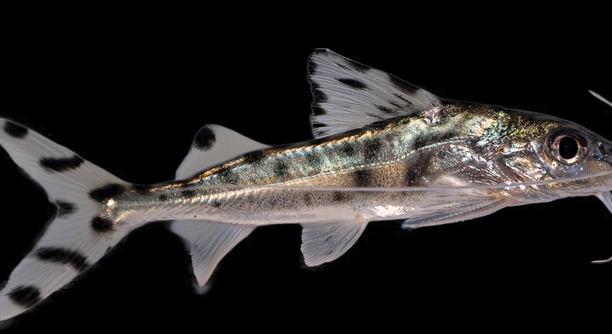
Is your pictus tank showing signs of wear or struggling to keep up with your fish’s needs? Many aquarists face challenges with tank conditions as their fish grow or their setup ages. Recognizing when an upgrade is necessary can improve your tank’s health and appearance.
Several clear indicators suggest a pictus tank needs an upgrade. These include insufficient space, outdated filtration, water quality issues, and inadequate lighting. Addressing these factors ensures a better environment for the fish’s well-being and long-term survival.
Knowing these signs can help you maintain a thriving aquatic habitat. The following points explain what to look for and how to decide when it’s time to improve your tank setup.
Limited Space for Growth
When your pictus fish start to look cramped or display restless swimming, it often means the tank has become too small. These fish need enough room to swim freely and grow properly. A tank that is too small limits their movement, leading to stress and health problems. Over time, overcrowding can also cause water quality issues since more waste is produced in a confined space. If you notice your fish pushing against tank walls or hiding more than usual, it may be time to increase the tank size. Providing a larger environment allows better oxygen circulation and reduces territorial behavior among your fish.
A larger tank offers more stable water conditions and a healthier environment overall. It supports the well-being of all tank inhabitants and encourages natural behavior.
Upgrading your tank to a bigger size not only improves comfort but also helps maintain water quality. More space means easier filtration and less frequent cleaning. Your pictus fish will thrive better with more room to explore and less stress from crowding.
Outdated or Insufficient Filtration
Filtration is essential for keeping your pictus tank clean and healthy. If your filter struggles to keep the water clear or needs frequent cleaning, it may be time for an upgrade. A weak or old filter cannot handle waste buildup effectively, which affects water quality and fish health. Proper filtration removes toxins and maintains oxygen levels, which are critical for your fish.
An upgraded filtration system provides stronger water flow and better waste removal. It supports a balanced ecosystem and reduces maintenance efforts.
Choosing the right filter depends on your tank size and fish load. Consider filters with mechanical, chemical, and biological filtration stages for optimal results. Regularly monitor water parameters to ensure the filter meets your tank’s needs. Upgrading your filtration system can prevent common issues like cloudy water, ammonia spikes, and algae growth. This creates a safer and more stable environment for your pictus fish to live in. Proper filtration also supports the growth of beneficial bacteria, essential for breaking down harmful substances in the tank.
Poor Water Quality
Consistently poor water quality is a strong sign your pictus tank needs attention. Cloudy or foul-smelling water harms fish health and signals that filtration or maintenance is insufficient.
Maintaining stable water conditions is vital for pictus fish. When water quality declines, ammonia and nitrite levels rise, causing stress and illness. This can result from overfeeding, overcrowding, or inadequate filtration. Testing water regularly helps catch issues early. Upgrading your tank or filtration system often improves water quality by increasing volume and circulation. More water dilutes toxins, while better filtration removes waste more efficiently, creating a safer environment for your fish.
If poor water quality continues despite regular care, consider larger tanks with improved filtration and better aeration. This reduces harmful buildup and promotes healthier fish behavior. Good water quality supports immune systems, reduces disease risks, and makes tank maintenance less demanding overall.
Inadequate Lighting
Lighting affects fish behavior and plant growth. If your pictus tank lighting is dim, inconsistent, or too harsh, it may be time for an upgrade.
Choosing proper lighting means finding the right balance to simulate natural conditions. Too little light can stress fish and stunt plant growth, while too much light encourages algae. Upgraded lighting systems offer adjustable intensity and color temperature, matching the needs of your tank inhabitants. LED lights are energy-efficient, last longer, and generate less heat than older bulbs.
Proper lighting also highlights your fish’s colors and makes the tank visually appealing. Improving light quality supports natural activity cycles and creates a more pleasant environment for you and your fish alike.
Frequent Algae Growth
Excessive algae buildup indicates an imbalance in your tank’s environment. It can block light and reduce oxygen levels, harming your pictus fish.
Algae growth often results from too much light, overfeeding, or poor water quality. Addressing these factors helps control it naturally and keeps the tank cleaner longer.
Aging Equipment
Old heaters, filters, or lights can fail silently and affect tank stability. They might no longer perform efficiently, risking fish health.
Regularly inspecting and replacing aging equipment ensures your tank stays stable and supports a healthy aquatic environment for your pictus.
Behavioral Changes in Fish
Changes in swimming patterns or increased hiding are signs your pictus fish might be stressed or uncomfortable. Stress often relates to tank conditions or environment.
Watching for these behavioral changes helps you identify when an upgrade is needed to improve comfort and reduce stress.
Tank Decorations Wear Out
Decorations lose their appeal or become damaged over time. Worn-out décor can also harbor harmful bacteria or algae.
Refreshing decorations improves aesthetics and contributes to a healthier tank environment.
FAQ
How often should I upgrade my pictus tank?
There isn’t a set timeline for upgrading a pictus tank. It depends on factors like fish growth, tank size, and equipment condition. If your fish outgrow their space, or if water quality and filtration become problematic, it’s time to consider an upgrade. Regular monitoring helps you decide when changes are needed to maintain a healthy environment.
What size tank is best for pictus fish?
A minimum of 30 gallons is recommended for pictus fish, especially if you keep a small group. Larger tanks provide more swimming room and help stabilize water parameters. Bigger tanks reduce stress and aggression, promoting healthier fish behavior over time.
Can I upgrade just the filter instead of the whole tank?
Upgrading the filter can improve water quality, but it doesn’t solve space issues or other limitations of a small or outdated tank. If the tank itself is too small or the equipment is old, replacing only the filter won’t address all problems. Sometimes a full upgrade is necessary.
How do I know if my water quality is poor?
Signs include cloudy water, unpleasant odors, fish gasping at the surface, and frequent algae blooms. Testing ammonia, nitrite, nitrate, and pH levels with a water test kit is the best way to track water quality. Consistently high toxic levels mean the water needs attention.
What type of lighting should I use for a pictus tank?
LED lighting with adjustable brightness and color temperature is ideal. It supports fish health, enhances colors, and helps any live plants thrive. Avoid overly bright or flickering lights, which can stress fish. A timer helps maintain a consistent day-night cycle.
How often should I clean my pictus tank?
Partial water changes of about 20-30% every one to two weeks keep the tank healthy. Cleaning decorations and substrate as needed prevents buildup of waste and algae. Overcleaning can disrupt beneficial bacteria, so balance is key.
Can overcrowding harm my pictus fish?
Yes, overcrowding increases stress, aggression, and waste buildup, which degrade water quality. It limits swimming space and can lead to illness. Providing enough room for each fish supports natural behavior and overall health.
Is it necessary to replace decorations when upgrading the tank?
Not always, but old or damaged decorations can harbor harmful bacteria or algae. Refreshing or cleaning decorations improves tank aesthetics and hygiene. Adding new decorations can also enrich the environment, reducing fish stress.
What equipment upgrades are most important for a pictus tank?
Prioritize filtration and heating systems first. Efficient filters maintain water quality, while stable heating supports the fish’s metabolism. Lighting upgrades come next to improve environment quality. Old or faulty equipment should be replaced promptly to avoid sudden failures.
How can I reduce algae growth naturally?
Control feeding amounts to avoid excess nutrients, limit light exposure to 8-10 hours per day, and maintain regular water changes. Introducing algae-eating species like snails or certain fish can help, but only if compatible with pictus fish.
What signs show my pictus fish are stressed?
Erratic swimming, hiding, loss of appetite, and faded colors often indicate stress. Stress lowers immune response, making fish more prone to disease. Identifying and fixing environmental issues quickly improves their well-being.
Can upgrading the tank improve my fish’s lifespan?
Yes, providing more space, better filtration, and stable conditions reduces stress and disease risk. A well-maintained environment supports healthier, longer-living pictus fish.
Is it better to upgrade gradually or all at once?
Gradual upgrades allow fish to adjust to changes and reduce shock. For example, start with filtration, then increase tank size, followed by lighting or décor changes. However, if the current setup is severely inadequate, a full upgrade may be necessary sooner.
How do I safely transfer fish during an upgrade?
Use a temporary container with tank water and maintain stable temperature. Avoid stress by minimizing transfer time and disturbances. Introduce fish carefully to the new tank, gradually mixing water to help them acclimate.
Are there specific brands or models recommended for pictus tanks?
No single brand fits all needs. Look for equipment rated for your tank size with positive reviews. Reliability, ease of maintenance, and availability of replacement parts are important factors when choosing gear.
Upgrading a pictus tank is an important step to ensure the health and happiness of your fish. Over time, tanks can become too small, filtration may weaken, and equipment can age, all affecting the quality of the environment. Recognizing the signs that your tank needs an upgrade helps you avoid problems like poor water quality, stress, and illness in your fish. Taking action to improve your tank supports a stable and balanced habitat where your pictus can thrive.
When considering an upgrade, it is helpful to focus on the key areas that impact your tank’s performance. Size matters because pictus fish need enough room to swim freely and grow. Filtration is critical to keep water clean and safe by removing waste and toxins. Lighting plays a role in fish behavior and plant growth, and equipment like heaters and filters need to be reliable. Addressing these points can improve your tank environment significantly and reduce maintenance tasks over time.
Upgrading your pictus tank does not have to be overwhelming. It can be done in stages or all at once, depending on your situation. Regular monitoring of fish behavior, water quality, and equipment condition will guide your decisions. A larger tank with better filtration and proper lighting creates a more natural and comfortable space. This benefits not only the fish but also your overall experience as a caretaker. By investing in an upgrade when needed, you help ensure the long-term success and enjoyment of your aquarium.

Hello,
If you enjoy the content that we create, please consider saying a "Thank You!" by leaving a tip.
Every little bit helps us continue crafting quality advice that supports the health, happiness, and well-being of pets around the world, for pets of all shapes, sizes, and species.
We really appreciate the kindness and support that you show us!