
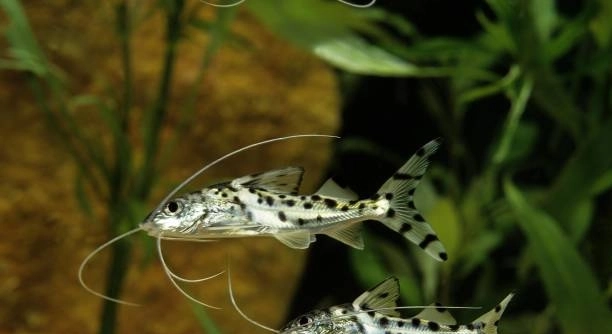
Are your Pictus catfish reacting unexpectedly in your aquarium? Many fish owners notice how these lively swimmers behave around household noises. Understanding their sensitivity to sounds can help create a calmer environment for your aquatic pets.
Pictus catfish do show sensitivity to loud sounds, which can cause stress and erratic behavior. Their lateral line system detects vibrations and noise changes in the water, making them responsive to sudden or continuous loud disturbances.
Knowing how sound affects Pictus catfish can improve their care and well-being. This article explores the impact of noise on these fish and offers guidance for maintaining a peaceful tank environment.
How Loud Sounds Affect Pictus Catfish Behavior
Loud sounds can disturb Pictus catfish by triggering their natural survival instincts. These fish rely on their lateral line system to sense vibrations in the water, which helps them detect potential threats. When exposed to sudden or continuous loud noises, they may become stressed and exhibit signs such as darting around the tank, hiding more often, or even refusing to eat. Stress from noise can weaken their immune system, making them more prone to illness. It’s important to keep their environment calm and avoid placing the aquarium near speakers, busy rooms, or sources of regular loud noise. Gentle background sounds or quiet spaces help maintain their comfort and promote natural behavior. Being mindful of noise levels is part of responsible fish care and helps Pictus catfish stay healthy and active in your home.
Stress caused by loud sounds can reduce a Pictus catfish’s lifespan by affecting its health negatively.
Maintaining a quiet tank environment supports the well-being of Pictus catfish. Consistent noise can lead to chronic stress, while a peaceful space encourages normal swimming and feeding habits. Adjusting the aquarium’s location away from noise sources is a practical step. Simple measures such as using a tank cover or placing sound-absorbing materials nearby can also help. Recognizing the signs of stress early allows for quicker adjustments to their environment. This attention helps keep your Pictus catfish thriving and less prone to behavior problems caused by noise disturbances.
Tips for Reducing Noise Impact on Your Aquarium
Limiting noise exposure around the aquarium reduces stress for Pictus catfish and other fish species.
To reduce noise impact, place your aquarium in a low-traffic area of your home where loud sounds are minimal. Avoid rooms near televisions, speakers, or heavy machinery. If relocation isn’t possible, use soundproofing methods like foam panels or thick curtains around the tank area. Lowering the volume of nearby devices can also help. Avoid tapping or knocking on the tank, as vibrations directly affect the fish. Regularly observe your fish for signs of distress to catch noise problems early. Consistent quiet time helps fish settle and encourages natural behaviors. These steps create a healthier environment, improving both fish comfort and your enjoyment of the aquarium. Caring for your Pictus catfish includes protecting them from unnecessary stress caused by noise disturbances.
Signs Your Pictus Catfish Is Stressed by Noise
Stress in Pictus catfish often shows through unusual behaviors such as hiding, erratic swimming, or loss of appetite. Watching for these signs can help you spot noise-related issues early.
When Pictus catfish are stressed by loud or sudden sounds, they may retreat to corners or under decorations for extended periods. They might also swim rapidly without purpose, appearing nervous or jumpy. Another common sign is a decrease in feeding interest, which can affect their overall health if it continues. These behaviors differ from their usual calm and active exploration of the tank, so noticing changes is important for timely intervention.
If noise continues to stress your fish, it can lead to long-term health problems. Prolonged stress weakens their immune system, making them more vulnerable to diseases like infections and parasites. Monitoring behavior closely and adjusting the environment as soon as you see signs helps prevent serious issues and keeps your Pictus catfish healthy.
Creating a Calm Environment for Your Fish
A calm environment reduces stress and promotes natural behavior in Pictus catfish.
To create a peaceful space, position the tank away from noisy appliances and heavy foot traffic. Use soft lighting and avoid sudden changes in the room. Adding plants or hiding spots helps the fish feel secure. Maintaining a consistent routine for feeding and tank maintenance also supports a stable environment. Small changes like these can make a big difference in your fish’s comfort and happiness. Keeping noise levels low helps your Pictus catfish thrive and enjoy their home.
Adjusting Tank Setup to Minimize Noise
Reducing vibrations from the tank setup can lessen stress caused by loud sounds. Using cushioning materials beneath the aquarium can absorb some noise and movement.
Avoid placing the tank on unstable or noisy surfaces. Adding foam pads or rubber mats under the aquarium helps dampen vibrations from floors or furniture. These simple adjustments make the environment calmer for your Pictus catfish and prevent sudden shocks from external sounds.
Impact of Household Noise on Fish Health
Household noises such as vacuum cleaners, washing machines, and loud music create vibrations that travel through water. These vibrations can disrupt the fish’s sense of safety and cause chronic stress if frequent.
Constant exposure to noise can lead to weakened immune responses in Pictus catfish. Over time, this makes them more susceptible to infections and slows their recovery from illness. Keeping the tank in a quieter area helps maintain their health and reduces stress-induced behavior problems.
Importance of Regular Observation
Regularly watching your Pictus catfish allows early detection of stress caused by noise or other factors. Observing behavior helps maintain a healthy environment.
FAQ
Are Pictus catfish harmed by loud noises?
Loud noises do not directly harm Pictus catfish physically, but they can cause significant stress. This stress affects their behavior and health over time. Continuous exposure to loud sounds may lead to weakened immune systems and make the fish more vulnerable to diseases. It is best to minimize loud noises around their tank to help them stay healthy and comfortable.
How can I tell if my Pictus catfish is stressed by sound?
Signs of stress include hiding frequently, swimming erratically, or losing interest in food. If your fish suddenly start darting or remain hidden longer than usual, it may be a reaction to noise or vibrations. Changes in behavior are usually the first indication that the environment is affecting them negatively.
What household noises affect Pictus catfish the most?
Common household noises such as vacuum cleaners, washing machines, and loud music can create strong vibrations in the water. These sounds disturb the fish and can trigger stress responses. Sudden noises or repeated loud sounds should be avoided near the aquarium.
Can I reduce noise impact without moving the tank?
Yes, you can reduce noise impact by placing foam pads or rubber mats under the tank to absorb vibrations. Using thick curtains or soundproofing materials around the tank area also helps. Lowering the volume of nearby electronics and avoiding tapping on the glass are simple ways to create a quieter environment.
Do Pictus catfish get used to noise over time?
Pictus catfish may become somewhat accustomed to regular background sounds, but sudden or loud noises will always cause stress. Chronic noise exposure still negatively affects their health, so it is important to maintain a calm and quiet tank environment whenever possible.
Is it better to keep the tank in a quiet room?
Yes, placing the aquarium in a quiet room away from heavy foot traffic, loud appliances, and speakers creates the best environment for Pictus catfish. Quiet surroundings help reduce stress and encourage natural behavior like swimming and feeding.
How often should I observe my fish for stress signs?
Daily observation is ideal to quickly detect any changes in behavior or health. Watching your fish regularly helps you notice if noise or other factors are causing stress. Early intervention prevents long-term issues and supports their well-being.
What should I do if my fish shows signs of noise stress?
If your fish shows stress, try relocating the tank or adding noise-reducing materials around it. Avoid sudden loud noises and keep the feeding and maintenance schedule consistent. Reducing stress improves the fish’s health and behavior.
Can stress from noise cause diseases in Pictus catfish?
Yes, chronic stress weakens the immune system, making fish more susceptible to infections and parasites. Stress also slows healing and can increase the severity of illness. Minimizing noise stress helps prevent these health problems.
Are there specific times when noise is more harmful to Pictus catfish?
Sudden noises at night or during resting periods are more disruptive because fish need calm times to recover. Loud sounds during feeding or activity times can also cause stress. Maintaining a stable and quiet environment throughout the day benefits their overall health.
Does the tank size affect how noise impacts Pictus catfish?
Larger tanks may reduce noise vibrations somewhat, but the fish still feel sound waves through water. Smaller tanks tend to transmit vibrations more directly. Regardless of tank size, it’s important to minimize loud noises nearby to keep fish comfortable.
Are Pictus catfish more sensitive to noise than other fish?
Pictus catfish have a well-developed lateral line system that makes them sensitive to vibrations and noise. While many fish are affected by sound, Pictus catfish often show clearer behavioral signs of stress. Protecting them from noise is especially important.
Can I use music or white noise to calm Pictus catfish?
Music or white noise is generally not recommended. These sounds can cause continuous vibrations and stress the fish. Quiet, stable environments without added noise are best to promote calm and natural behavior.
What are the best hiding spots for stressed Pictus catfish?
Providing plants, caves, and decorations gives fish places to retreat when stressed. These hiding spots help reduce anxiety caused by noise or other disturbances. Creating a natural environment with plenty of cover supports their comfort and well-being.
Does water quality affect how fish respond to noise?
Poor water quality increases fish stress overall, making them more sensitive to noise. Keeping water clean and stable reduces stress levels and helps fish better tolerate minor disturbances. Proper filtration and regular water changes are essential.
Can I train my Pictus catfish to ignore noises?
Fish cannot be trained like pets to ignore noise, but consistent exposure to non-threatening sounds might reduce immediate panic reactions. However, chronic noise remains harmful. Prioritizing a quiet environment is always better for their health.
Is sudden loud noise worse than continuous noise?
Sudden loud noises often cause immediate stress responses like frantic swimming or hiding. Continuous loud noise causes ongoing stress that weakens health over time. Both should be avoided, but sudden noises tend to provoke the strongest immediate reactions.
How long does it take for Pictus catfish to recover from noise stress?
Recovery time varies based on the fish’s health and environment. With quiet conditions and proper care, most fish begin to calm within a few days. Prolonged stress may take longer to heal and can require improved tank conditions and attentive care.
Are there any signs noise stress causes physical damage?
Noise stress itself does not cause physical damage directly, but it can lead to injuries from frantic swimming or collisions inside the tank. Chronic stress weakens immunity, leading to secondary physical health problems like infections.
Can Pictus catfish tolerate household noise during maintenance?
Short periods of noise during maintenance are usually tolerated if the fish are not frequently disturbed. Minimizing noise and movement during these times reduces stress. Preparing the tank quietly helps keep fish calm during necessary care.
What else can I do to reduce stress in Pictus catfish?
Along with reducing noise, maintaining proper water temperature, providing a balanced diet, and ensuring clean water help lower overall stress. A well-maintained, quiet environment supports their health and happiness.
Pictus catfish are sensitive to their surroundings, and loud noises can affect them more than many people realize. Their ability to sense vibrations in the water helps them detect danger, but this also means sudden or constant loud sounds cause stress. Stress can change their behavior, making them hide more, swim nervously, or lose interest in food. Over time, this stress may affect their overall health and make them prone to illness. Creating a calm environment with low noise levels is important to help these fish stay healthy and active.
Taking simple steps to reduce noise near your aquarium can make a big difference for your Pictus catfish. Placing the tank in a quiet area away from loud appliances or heavy foot traffic helps minimize disturbances. Adding cushioning materials under the tank can reduce vibrations. Avoiding tapping on the glass or loud music nearby also keeps the environment peaceful. Providing plants or decorations offers hiding spots that help fish feel safe when they do get startled. Regularly watching your fish for signs of stress will help you notice when noise or other factors might be affecting them.
Overall, caring for Pictus catfish means paying attention to their environment and behavior. While they may seem hardy and lively, they rely on stable, quiet surroundings to thrive. Managing noise levels, keeping the water clean, and providing a secure tank setup all contribute to their well-being. By understanding how loud sounds affect them, you can improve their quality of life and enjoy watching their natural behaviors without unnecessary stress. Simple adjustments create a better home for your fish and support their health in the long run.

Hello,
If you enjoy the content that we create, please consider saying a "Thank You!" by leaving a tip.
Every little bit helps us continue crafting quality advice that supports the health, happiness, and well-being of pets around the world, for pets of all shapes, sizes, and species.
We really appreciate the kindness and support that you show us!