
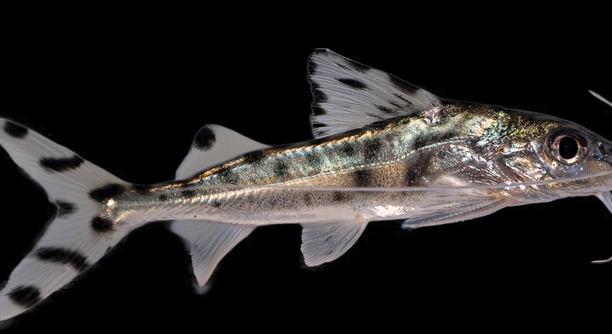
Many aquarists enjoy keeping Pictus catfish for their active behavior and striking appearance. However, certain tank layouts can cause confusion and stress for these fish. Understanding common mistakes helps create a better environment for them to thrive.
Tank layout mistakes that confuse Pictus catfish often involve improper hiding spaces, insufficient swimming areas, poor water flow, and incompatible tank mates. These factors disrupt their natural behavior, causing stress and discomfort, which can negatively impact their health and activity levels.
Recognizing these layout errors is essential for maintaining a healthy and calm tank environment for Pictus catfish. The following points will clarify what to avoid and how to improve their habitat.
Lack of Proper Hiding Spaces
Pictus catfish are naturally shy and nocturnal, so they need places to hide during the day. Without sufficient hiding spots, these fish become stressed and may hide constantly or act nervously. Adding caves, plants, and driftwood creates safe areas where they can retreat and feel secure. Too much open space without cover can make them feel exposed, leading to erratic swimming or hiding in corners. It’s important to balance open swimming areas with enough shelters to meet their needs. Using natural materials that mimic their native river habitat can also help reduce stress and encourage natural behavior.
Proper hiding spaces not only reduce stress but also support healthy activity levels and well-being in Pictus catfish.
Providing ample hiding spots helps your catfish feel secure and more relaxed in the tank, leading to better overall health.
Creating the right balance between open space and shelter can transform the tank environment. By incorporating caves or dense plants, you give Pictus catfish a place to rest and feel safe. This prevents overexposure and stress, which often cause confusing behaviors. Additionally, hiding spots help them establish territories and reduce aggression among tank mates. Remember, their natural habitat includes many places to hide, so replicating this environment helps them thrive. Ensuring these spaces are accessible yet not overcrowded improves tank aesthetics and fish comfort.
Overcrowding and Incompatible Tank Mates
Too many fish in the tank or aggressive species can cause Pictus catfish to become stressed and confused. These catfish prefer peaceful environments with enough room to swim freely. Overcrowding increases competition for space and food, which can lead to hiding or erratic swimming.
Selecting calm tank mates and maintaining a proper stocking level ensures your Pictus catfish feel safe and behave naturally.
Choosing the right companions and tank size is crucial for the well-being of Pictus catfish, avoiding unnecessary stress and confusion.
Keeping too many fish or incompatible species with Pictus catfish often results in stress and unclear behavior. Aggressive or territorial fish can intimidate them, causing hiding or erratic movements. Overcrowding limits swimming space, which is essential for these active fish. It’s best to choose peaceful tank mates of similar size and provide a tank large enough to support everyone comfortably. A good rule is at least 20 gallons for a small group of Pictus catfish. Regular observation helps identify if any fish are causing stress. This careful management leads to a calmer, healthier aquarium where your Pictus catfish can display their natural activity and social behaviors without confusion.
Insufficient Swimming Space
Pictus catfish are active swimmers and need plenty of open space to move around. Crowded tanks with limited swimming areas cause stress and confusion. Without enough room, their behavior changes, often making them hide or stay still more than usual.
A tank that is too small or cluttered limits the natural movement of Pictus catfish. These fish enjoy cruising through the water, so having clear areas free from obstacles is important. Overcrowding decorations or plants can restrict their swimming paths, which leads to frustration. Ensuring the tank size is adequate and layout allows smooth movement supports their physical and mental health. This setup also helps reduce aggressive or shy behaviors caused by feeling trapped.
Offering wide, open swimming zones along with some hiding spots balances their need for activity and security. It is essential for keeping Pictus catfish happy and active.
Poor Water Flow and Filtration
Proper water flow is essential for Pictus catfish because they come from river habitats with steady currents. Tanks with weak or uneven water circulation can confuse them and reduce oxygen levels. A good filtration system that maintains clean, moving water mimics their natural environment.
Maintaining consistent water movement helps Pictus catfish stay healthy and active. Stagnant water or poor filtration causes stress and can lead to health problems. The water current should be moderate—not too strong to exhaust the fish but enough to simulate river conditions. Regular cleaning and filter maintenance ensure water quality stays high. This helps remove waste and toxins that can harm the fish. Adding powerheads or adjusting filter output can improve circulation in the tank. Proper water flow also encourages natural behaviors like foraging and swimming against currents, which are vital for their well-being.
Incorrect Substrate Choice
Pictus catfish prefer soft, smooth substrates like sand or fine gravel. Rough or sharp substrates can injure their delicate barbels, causing discomfort and stress. Using the wrong substrate may lead to confusion and hiding.
A smooth substrate helps Pictus catfish forage naturally and prevents damage. It is essential for their comfort and well-being.
Overuse of Decorations
Too many decorations crowd the tank and reduce swimming space for Pictus catfish. Overcrowding with objects limits their movement and creates stress.
Balanced decoration provides hiding spots without restricting swimming. This helps maintain a healthy and active environment for your fish.
Poor Lighting Conditions
Pictus catfish prefer dim or moderate lighting since they are mostly nocturnal. Bright lights can cause stress and make them hide more frequently.
Using adjustable lighting or providing shaded areas supports their natural behavior and comfort in the tank.
FAQ
Why do my Pictus catfish hide all the time?
Pictus catfish hide when they feel stressed or unsafe. Lack of proper hiding spaces, bright lighting, or aggressive tank mates often cause this behavior. Providing caves, plants, and shaded areas helps them feel secure. Ensuring peaceful tank mates and dimmer lighting reduces their need to hide.
How much space do Pictus catfish need?
These fish are active swimmers and need at least a 20-gallon tank for a small group. More space allows them to swim freely and reduces stress. Overcrowded tanks limit their movement and cause confusion or hiding behaviors.
What type of substrate is best for Pictus catfish?
Soft, smooth substrates like sand or fine gravel are ideal. Rough or sharp substrates can injure their barbels, which are sensitive. Damaged barbels can lead to infection or difficulty finding food.
Can Pictus catfish live with other fish?
Yes, but they prefer peaceful tank mates of similar size. Aggressive or territorial fish cause stress and confusion. Avoid keeping them with overly aggressive species or very small fish that could be seen as prey.
How important is water flow for Pictus catfish?
Water flow is very important. These fish come from river environments with steady currents. Moderate water flow mimics their natural habitat, helps oxygenate the water, and encourages natural swimming behavior. Too little or too much flow can cause stress.
What lighting is best for Pictus catfish?
Dim or moderate lighting works best since they are nocturnal. Bright lights can cause stress and make them hide. Use adjustable lighting or provide shaded areas with plants or decorations to reduce brightness.
How often should I clean the tank?
Regular water changes and filter cleaning are essential. Changing 20-30% of the water weekly keeps water quality high. Clean the filter monthly but avoid washing it too thoroughly to preserve beneficial bacteria.
Why are my Pictus catfish acting erratically?
Erratic swimming or darting can indicate stress from poor tank layout, aggressive tank mates, or water quality issues. Check water parameters, tank size, and compatibility of fish. Adjusting these factors usually helps restore calm behavior.
What do Pictus catfish eat?
They are omnivores and enjoy a varied diet. Feed sinking pellets, frozen or live foods like bloodworms, brine shrimp, and occasional vegetables. A balanced diet supports their health and activity.
How can I tell if my Pictus catfish is healthy?
Healthy Pictus catfish are active, swim smoothly, and have clear eyes and intact fins. They should regularly forage and respond to feeding times. Dull colors, hiding excessively, or visible injuries indicate health problems.
Are Pictus catfish sensitive to water changes?
They can be sensitive if changes are too sudden. Always acclimate them slowly to new water and maintain stable parameters. Sudden temperature or pH shifts cause stress and illness.
What temperature range is suitable for Pictus catfish?
They thrive in temperatures between 72°F and 78°F (22°C to 26°C). Consistent temperature within this range supports their metabolism and immune system.
Is it necessary to have a group of Pictus catfish?
Yes, they are social fish and do better in groups of at least three. A group reduces stress and encourages natural behavior. Keeping only one can lead to loneliness and less activity.
Final Thoughts
Creating a comfortable environment for Pictus catfish requires careful attention to their natural needs. These fish thrive best when their tank mimics the conditions they experience in the wild. Providing enough space, proper hiding spots, and a smooth substrate supports their well-being. When these basic needs are met, Pictus catfish are more likely to behave naturally and stay healthy. Tank layout mistakes often cause confusion and stress, so avoiding them is important for a peaceful aquarium.
Water quality and flow play a key role in maintaining a healthy tank for Pictus catfish. Steady water movement, clean filtration, and regular maintenance help keep the environment stable and oxygen-rich. These fish come from river habitats, so they expect moderate currents and clear water. Poor water flow or dirty tanks can quickly lead to stress or illness. Paying attention to water conditions ensures that your Pictus catfish remain active and comfortable, which is essential for their long-term health.
Choosing the right tank mates and lighting also impacts how well Pictus catfish adjust to their home. They do best with peaceful companions and prefer dimmer lighting that matches their nocturnal nature. Bright lights or aggressive fish can make them anxious and cause hiding or erratic behavior. By balancing all these factors—tank size, layout, water quality, lighting, and companions—you create a stable, calm habitat. This thoughtful care results in happier fish and a more enjoyable aquarium experience overall.

Hello,
If you enjoy the content that we create, please consider saying a "Thank You!" by leaving a tip.
Every little bit helps us continue crafting quality advice that supports the health, happiness, and well-being of pets around the world, for pets of all shapes, sizes, and species.
We really appreciate the kindness and support that you show us!