
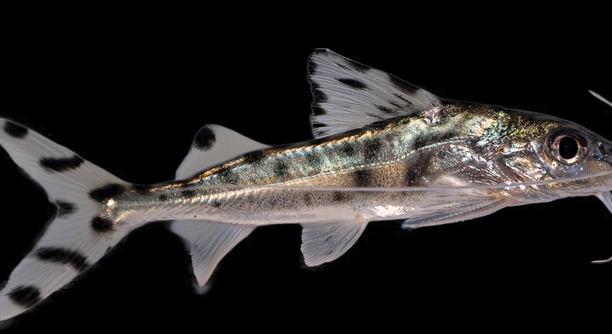
Pictus catfish are popular freshwater pets known for their active nature and unique appearance. Like all fish, they can face health challenges that affect their well-being. Knowing how to support their recovery is essential for any responsible owner.
Helping a pictus catfish recover from illness involves maintaining clean water conditions, providing a balanced diet, and minimizing stress. Prompt identification of symptoms and proper treatment, including medication when necessary, significantly improve their chances of a full recovery.
Understanding these basic care steps can make a real difference in your catfish’s health. Proper attention ensures they stay lively and enjoy a better quality of life.
Recognizing Illness in Pictus Catfish
Pictus catfish often hide signs of illness until symptoms become noticeable. Common signs include lethargy, loss of appetite, abnormal swimming, and visible spots or wounds. Changes in coloration or fin damage may also indicate health problems. Observing your fish regularly helps catch issues early. Water quality is a major factor in fish health, so test for ammonia, nitrites, and nitrates frequently. Stress from overcrowding or aggressive tank mates can weaken their immune system. Keep your tank clean and stable to support their natural defenses. If you notice any unusual behavior or physical changes, act quickly to prevent worsening conditions. Early intervention increases the chances your catfish will recover smoothly and return to normal activity. Knowing what to look for can help you protect your pet effectively.
Regular monitoring and prompt action are essential to maintain a healthy environment and keep your catfish thriving.
Consistent observation of your pictus catfish allows you to detect problems early. Maintaining water quality and minimizing stress are key to prevention. Acting quickly when symptoms arise will improve recovery outcomes.
Improving Water Quality for Recovery
Water quality directly affects the health of your pictus catfish. Poor water conditions can cause stress and lead to infections. Regular water changes, ideally 20-30% weekly, help remove toxins. Use a reliable water test kit to monitor ammonia, nitrites, and nitrates. Maintain stable temperature and pH levels suitable for pictus catfish, typically between 74-79°F and a pH of 6.5 to 7.5. Avoid sudden changes as these shock the fish. Clean filters regularly but avoid completely replacing filter media at once to preserve beneficial bacteria. Reducing uneaten food and waste buildup also prevents harmful substances from accumulating. Clear, well-oxygenated water supports healing and strengthens the immune system. Investing time in water maintenance is crucial for helping your catfish recover and stay healthy.
Clean water conditions reduce stress and lower infection risk, creating the best environment for healing and recovery.
Providing Proper Nutrition
Feeding your pictus catfish the right food is vital for recovery. Offer high-quality, protein-rich options that are easy to digest.
During illness, your catfish needs nutrients to rebuild strength and fight infection. Specialized sinking pellets or wafers designed for bottom feeders work well. Supplement their diet with frozen or live foods like bloodworms and brine shrimp to encourage eating. Avoid overfeeding, which can pollute the tank and stress your fish further. Feed small amounts two to three times daily, observing how much they consume. Removing uneaten food quickly keeps water quality stable. A balanced diet supports their immune system and helps speed healing.
When your catfish starts to regain appetite, gradually return to a regular feeding schedule. Consistency in diet maintains their health and prevents future setbacks. Paying attention to nutrition is a simple way to aid their recovery.
Reducing Stress in the Aquarium
Stress weakens your catfish’s immune system and slows recovery. Minimize noise, sudden movements, and aggressive tank mates.
Create a calm environment by dimming lights and avoiding frequent disturbances near the tank. Provide plenty of hiding spots with plants, rocks, or decorations to make your catfish feel secure. Ensure tank mates are peaceful and compatible. Overcrowding should be avoided to reduce competition and stress. Stable water conditions also contribute to lower stress levels. When stress is minimized, your catfish can focus energy on healing. Taking steps to reduce stress helps your fish recover more quickly and regain normal behavior.
Using Medication Safely
Medications can be necessary for treating infections in pictus catfish. Always follow the instructions carefully to avoid harming your fish.
Choose treatments based on the specific illness. Overuse or incorrect dosing may cause stress or toxicity. Monitor your catfish closely during medication.
Quarantine Procedures
Separating a sick fish from others prevents disease spread and allows focused care. Use a clean, properly set-up tank for quarantine.
A quarantine tank should replicate the main tank’s conditions, with stable temperature and clean water. Keep the environment stress-free and observe your catfish daily for signs of improvement or worsening.
Monitoring Recovery
Track changes in behavior, appetite, and appearance regularly. Noticing small improvements confirms the treatment is working.
Maintaining Long-Term Health
Prevent illness by keeping good water quality, a balanced diet, and reducing stress factors consistently.
FAQ
How do I know if my pictus catfish is sick?
Signs of illness in pictus catfish include lethargy, loss of appetite, erratic swimming, and visible spots or wounds. Changes in color or damaged fins can also indicate health issues. Regular observation helps catch problems early before they worsen.
What is the best water temperature for a sick pictus catfish?
Maintain the tank temperature between 74 and 79°F (23 to 26°C). This range is ideal for recovery, helping to support their metabolism and immune system. Avoid sudden temperature fluctuations to prevent added stress.
Can I treat my catfish with home remedies?
Home remedies are generally not recommended as they can be ineffective or harmful. Use proper medication designed for aquarium fish and follow dosing instructions carefully. Consulting a vet or aquarium specialist is advised.
How often should I change the water during treatment?
Perform regular partial water changes of about 20-30% weekly. This keeps water clean without disturbing beneficial bacteria that help maintain a healthy environment. Clean water supports recovery by reducing toxins and stress.
Should I feed my catfish when it’s sick?
Yes, but feed small amounts of high-quality, protein-rich food. Use sinking pellets or live/frozen foods like bloodworms to encourage eating. Avoid overfeeding, which can worsen water quality and cause additional stress.
How long does recovery usually take?
Recovery time varies depending on the illness and treatment. Mild infections may improve in a week, while more serious conditions can take several weeks. Consistent care and monitoring are crucial for a full recovery.
Is quarantine necessary for a sick catfish?
Yes, quarantining a sick catfish helps prevent disease spread to other fish. It also allows for focused care in a controlled environment. The quarantine tank should mimic the main tank’s conditions for the best results.
What are common causes of illness in pictus catfish?
Common causes include poor water quality, stress from overcrowding or aggressive tank mates, and infections caused by bacteria, fungi, or parasites. Proper tank maintenance reduces these risks.
Can stress cause illness in my catfish?
Stress weakens the immune system and can make your catfish more susceptible to illness. Minimizing noise, providing hiding spots, and keeping compatible tank mates helps reduce stress.
What should I do if my catfish stops eating completely?
Check water quality and tank conditions immediately. Try offering live or frozen foods to stimulate appetite. If the catfish still refuses to eat after a day or two, consider consulting a vet or specialist for advice.
How do I safely use medication in a community tank?
Some medications can harm other fish or invertebrates. If possible, treat your catfish in a quarantine tank. When treating the main tank, use medications labeled safe for all species present and follow instructions closely.
Can poor diet lead to illness?
Yes, an imbalanced or low-quality diet can weaken your catfish’s immune system. Feeding a varied diet with appropriate protein content is important for maintaining health and preventing disease.
What role does tank cleanliness play in recovery?
Cleanliness is critical. Uneaten food and waste produce toxins that stress fish and encourage pathogens. Regular cleaning, water changes, and filter maintenance support healing and overall health.
How often should I test the water?
Test water parameters at least once a week, especially during illness. Frequent testing helps catch harmful spikes in ammonia, nitrites, or nitrates before they affect your fish’s health.
Can I use antibiotics without a diagnosis?
Using antibiotics without knowing the cause can be harmful and lead to resistance. Only use medication recommended for the diagnosed condition, preferably under guidance from an expert.
What if my catfish doesn’t improve after treatment?
Reassess water quality and tank conditions. Consider if the diagnosis and treatment are correct. If no improvement occurs, seek advice from a veterinarian or experienced aquarist to explore other causes or treatments.
Final Thoughts
Helping a pictus catfish recover from illness requires attention, patience, and consistent care. Illness can happen even in well-maintained tanks, so being prepared to act quickly is important. Monitoring your catfish regularly for any changes in behavior or appearance allows you to catch problems early. Clean water, a balanced diet, and a calm environment are the foundation for good health. These factors help support your fish’s immune system and improve the chances of recovery. Keeping a stable and healthy tank setup will reduce stress and minimize the risk of illness in the future.
When your catfish shows signs of sickness, taking immediate steps can make a big difference. Quarantining the fish helps protect others in the tank and allows focused treatment. Maintaining water quality by performing regular partial changes and testing parameters is crucial. Feeding nutritious food in the right amounts supports healing without polluting the water. If medication is needed, always use the correct dose and follow instructions carefully to avoid harming your fish. Reducing stress by providing hiding spots and avoiding sudden changes also encourages recovery. Every step you take contributes to your catfish’s well-being and helps them return to their active, healthy self.
Recovery may take time, and it’s important to be patient and consistent. Keep observing your catfish closely, noting any improvements or setbacks. Adjust care as needed and seek advice from experts if the condition does not improve. Preventing illness through proper tank maintenance and good nutrition is always better than treating it later. By learning about your pictus catfish’s needs and responding quickly to health issues, you provide the best chance for a long and healthy life. Taking care of a sick fish can feel challenging, but with steady effort and attention, your pictus catfish can recover and thrive.

Hello,
If you enjoy the content that we create, please consider saying a "Thank You!" by leaving a tip.
Every little bit helps us continue crafting quality advice that supports the health, happiness, and well-being of pets around the world, for pets of all shapes, sizes, and species.
We really appreciate the kindness and support that you show us!