
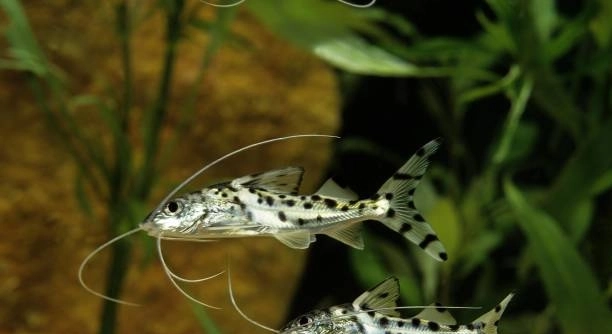
Do you find the Pictus catfish intriguing but want to learn more about its unique features? The whiskers of this freshwater fish play important roles beyond just appearance. Knowing about them can improve your care for these lively pets.
The whiskers of the Pictus catfish serve as sensory organs that help the fish navigate and find food in murky waters. These barbels detect chemicals and vibrations, allowing the catfish to thrive in its natural environment and captivity.
Understanding the purpose and care of these whiskers will help you keep your Pictus catfish healthy and happy in your aquarium. This knowledge is essential for any responsible fish keeper.
The Function of Pictus Catfish Whiskers
The whiskers on a Pictus catfish, known as barbels, are crucial for sensing its environment. These long, thin appendages contain taste buds and nerve endings that help the fish detect food in dark or murky water. Because Pictus catfish are nocturnal feeders, their whiskers are vital tools for survival. They use these barbels to feel around the substrate and recognize edible particles. The whiskers also assist in avoiding obstacles and predators. When the water is cloudy or the lighting is low, the catfish cannot rely on sight alone, so the whiskers become its main source of information. Keeping the barbels clean and intact is important, as damage may reduce the fish’s ability to find food and navigate effectively. Healthy whiskers contribute to the overall well-being and activity levels of the Pictus catfish in an aquarium setting.
Barbels are sensitive and require a clean environment to function properly. Poor water quality can damage these structures.
Whisker damage often results from rough tank decorations or aggressive tank mates. Sharp objects in the aquarium can cause injuries that may lead to infections. Avoid overcrowding and choose smooth substrates like sand or fine gravel to protect the barbels. Regular water changes reduce harmful bacteria that can irritate or infect damaged whiskers. Providing a calm habitat ensures the catfish can use its barbels without stress. Observing your fish closely can help spot any problems early. Early intervention promotes faster healing and helps maintain the fish’s ability to explore and feed efficiently.
Care Tips for Maintaining Whisker Health
Keeping the aquarium clean is essential for the health of Pictus catfish whiskers.
Good water quality prevents bacterial infections and irritation. Ammonia, nitrites, and nitrates should always be kept at safe levels through routine water testing and changes. Avoid using sharp or rough decorations that may cut or scrape the barbels. Soft, natural materials such as smooth stones and plants help reduce the risk of injury. Feeding the catfish a balanced diet with sinking pellets and live or frozen foods encourages natural foraging behavior. Regular observation for signs of whisker damage or stress allows for quick response. Maintaining a peaceful tank environment with compatible species reduces stress and the chance of harm to the catfish’s delicate barbels. These care practices support the longevity and well-being of your Pictus catfish.
Whisker Sensitivity and Behavior
Pictus catfish use their whiskers to sense changes in their surroundings. These barbels are highly sensitive to touch and chemical signals in the water.
The sensitivity of the whiskers helps the catfish detect food, predators, and other fish nearby. When the fish moves, the barbels brush against surfaces and pick up vibrations. This feedback guides the catfish’s movements, especially in low light or murky water. The whiskers also help the fish understand its environment better by identifying objects or textures. Any damage or loss of sensitivity can reduce the fish’s ability to explore safely, making it more vulnerable in its habitat.
Barbels are constantly in motion as the fish navigates its environment. They may retract them slightly if the fish feels threatened or stressed. Understanding this behavior can help you recognize when your Pictus catfish is uneasy or uncomfortable in its tank. Adjusting tank conditions or reducing stressors can improve the fish’s comfort and promote healthier whiskers.
Whisker Growth and Regeneration
Whiskers on a Pictus catfish can regenerate if damaged, but the process takes time and care. Regrowth depends on the fish’s health and tank conditions.
A balanced diet and clean water are essential for the regeneration of barbels. When a whisker is injured, the catfish’s body prioritizes healing and regrowth, but stress or poor water quality can slow this down. Avoiding any further damage by providing a safe environment supports the healing process. Keep an eye on your fish to ensure it is eating well and showing normal behavior during regrowth. Preventing injury is always better than relying on regeneration, but knowing the catfish can recover offers reassurance.
Common Causes of Whisker Damage
Whisker damage often happens from rough tank decorations or aggressive tank mates. Sharp edges and overcrowding increase the risk.
Poor water quality also weakens the barbels, making them more prone to injury and infection. Regular maintenance helps prevent these issues.
Feeding Habits and Whisker Use
Pictus catfish use their whiskers to locate food on the tank bottom. They rely on their barbels to sense edible particles and guide their feeding behavior. This natural foraging helps keep them active and healthy.
Whisker Care Products
Some aquarists use supplements or treatments to support whisker health. These products can help reduce infections and promote healing when used correctly.
Tank Setup Considerations
Choosing smooth substrates and avoiding sharp decorations protects the delicate whiskers from damage during exploration and feeding.
FAQ
What do Pictus catfish whiskers do?
Pictus catfish whiskers, or barbels, act as sensory tools. They help the fish detect food, navigate their environment, and sense nearby objects. These whiskers are especially important because the fish often live in low-light or murky water where sight is limited. The barbels allow the catfish to explore and find food effectively.
Can Pictus catfish whiskers get damaged?
Yes, whiskers can be damaged by sharp objects, rough decorations, or aggressive tank mates. Poor water quality can also weaken the barbels, making them more vulnerable to injury and infection. Maintaining a clean tank and using smooth substrate helps prevent damage.
How can I protect my catfish’s whiskers?
Use soft, smooth decorations and fine gravel or sand as substrate to avoid cutting or scraping the whiskers. Keep aggressive or territorial fish separate from Pictus catfish. Regular water changes and monitoring water quality reduce stress and infection risks.
Do damaged whiskers grow back?
Whiskers can regenerate, but regrowth takes time and depends on the fish’s overall health and environment. Stress, poor water quality, or ongoing injury slows the healing process. A clean, stable tank with a nutritious diet supports whisker regrowth.
Are there signs of whisker problems I should watch for?
Look for missing, frayed, or shortened whiskers. Also, watch for abnormal behavior like reduced feeding or hiding. These signs can indicate whisker damage or infection. Promptly addressing water quality and tank conditions helps recovery.
Do whiskers affect how my catfish eats?
Yes, Pictus catfish use their whiskers to find food on the tank bottom. Damage to whiskers can make it harder for them to locate food, leading to less eating or stress. Healthy barbels help the catfish feed naturally and stay active.
Can I treat whisker infections?
Mild infections may be treated by improving water quality and reducing stressors. In some cases, aquarium-safe antibacterial treatments may be necessary. Always follow product instructions and consult experienced aquarists or vets for serious infections.
Is tank size important for whisker health?
Yes, a larger tank reduces stress and allows the catfish more room to move without bumping into decorations or other fish. Overcrowding increases the chance of whisker injury. Providing enough space promotes healthy behavior and protects barbels.
What diet supports whisker health?
A varied diet including sinking pellets, live or frozen foods, and occasional vegetables supports overall health, including whiskers. Proper nutrition aids healing and strengthens the catfish’s immune system.
Can stress affect whisker condition?
Stress weakens the immune system and slows healing, making whiskers more prone to damage and infection. Stress can come from poor water quality, aggressive tank mates, or sudden changes. Keeping a stable, calm environment helps maintain whisker health.
Are there any special products for whisker care?
Some aquarium supplements claim to support fin and barbel health. While these may help, the best care comes from good water quality, proper diet, and a safe tank setup. Use products cautiously and only when necessary.
How often should I check my Pictus catfish’s whiskers?
Regular observation during feeding or tank maintenance is enough. Look for changes in whisker length, texture, or behavior. Early detection of issues allows faster intervention.
Can whiskers get infected from other fish?
Infections can result from damage caused by tank mates. Aggressive or nippy fish may injure whiskers, allowing bacteria to enter. Avoid keeping Pictus catfish with aggressive species to reduce this risk.
Do Pictus catfish use whiskers to communicate?
While whiskers mainly serve sensory functions, they may also help in close interactions by touching objects or other fish gently. However, communication is not their primary purpose.
What should I do if my catfish loses all its whiskers?
Ensure the tank environment is clean and safe. Provide a stress-free habitat with smooth decorations and appropriate tank mates. Monitor the fish’s health closely, offer a nutritious diet, and allow time for whiskers to regrow naturally. If problems persist, seek advice from an aquatic specialist.
Final Thoughts
The whiskers of the Pictus catfish are essential tools that support the fish’s daily life. These barbels help the catfish explore its surroundings, find food, and stay safe. Understanding their function is important for anyone who keeps Pictus catfish as pets. The whiskers are delicate and sensitive, making their care a vital part of maintaining the fish’s health. When the barbels are healthy, the catfish can behave naturally, feeding well and moving confidently in its tank. Neglecting whisker care can lead to injuries or infections, which affect the fish’s well-being and overall quality of life.
Proper tank setup plays a significant role in protecting the catfish’s whiskers. Smooth substrates like sand or fine gravel are better choices than rough or sharp materials that can harm the barbels. Decorations should be free of sharp edges and placed carefully to avoid accidents. Additionally, keeping the tank clean and ensuring good water quality helps prevent infections and promotes healing if whiskers get damaged. Feeding the Pictus catfish a balanced diet also supports the regeneration of whiskers and maintains their sensitivity. Together, these steps create a safer and more comfortable environment that benefits the fish’s physical health and reduces stress.
Taking time to observe your Pictus catfish regularly helps you catch any issues early. Noticing changes in the whiskers, such as fraying, shortening, or missing barbels, allows for quick action. Addressing problems early with water changes, diet improvements, or tank adjustments can prevent more serious damage. Since whiskers can regenerate, proper care and patience are essential for recovery. Remember that whiskers are more than just an aesthetic feature—they are vital sensory organs that keep your catfish healthy and active. Keeping them well cared for ensures your Pictus catfish can thrive in its home aquarium.

Hello,
If you enjoy the content that we create, please consider saying a "Thank You!" by leaving a tip.
Every little bit helps us continue crafting quality advice that supports the health, happiness, and well-being of pets around the world, for pets of all shapes, sizes, and species.
We really appreciate the kindness and support that you show us!