
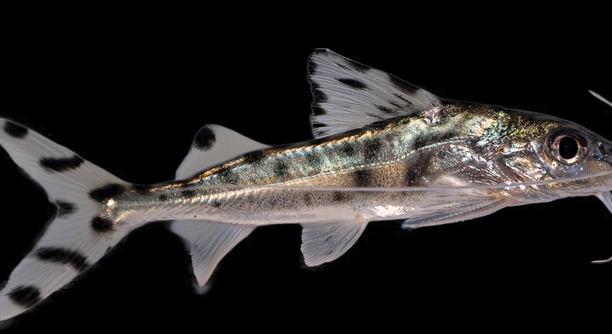
Many people enjoy keeping Pictus catfish in their aquariums for their active and playful nature. Sometimes, these fish avoid certain parts of the tank, which can be puzzling for owners. Understanding their behavior can help create a better environment for them.
Pictus catfish might avoid specific areas due to factors like water quality, lighting, tank decorations, or territorial behavior. These fish prefer calm, shaded spots with good hiding places, and may avoid areas that are too bright, noisy, or have poor water conditions.
Knowing why your catfish chooses some spots over others can improve their comfort and health. The following information will help you create an environment that suits their natural habits.
Environmental Factors Affecting Pictus Catfish Behavior
Pictus catfish are sensitive to their surroundings, which can strongly influence where they choose to swim or rest. Bright lighting can make them feel exposed, so they often avoid well-lit areas. These fish prefer dimmer zones or shaded corners where they feel secure. Tank decorations such as plants, rocks, or caves provide essential hiding places that help reduce stress. Poor water quality, including high ammonia or nitrite levels, can also cause them to avoid certain spots. Strong water currents may push them away from preferred areas since they favor calmer water. Temperature fluctuations within the tank can further affect their comfort. Observing these factors can explain why your catfish stays clear of some parts of the aquarium. Creating a balanced and stable environment encourages them to explore more freely and stay healthier over time.
Proper lighting and clean water are key to encouraging your catfish to explore the entire tank.
Maintaining consistent water parameters and adding natural hiding spots will support your Pictus catfish’s wellbeing. Using adjustable lighting or adding floating plants can help soften bright areas. Regular water testing and partial changes prevent harmful buildups that make fish uncomfortable. Placing smooth rocks and driftwood creates safe refuges that meet their natural instincts. Avoid overcrowding the tank to reduce territorial conflicts. Keeping the water current moderate allows the fish to swim easily without stress. Paying attention to these details helps your Pictus catfish feel secure and more active throughout the aquarium.
Territorial Behavior and Social Dynamics
Pictus catfish display territorial behavior, especially in crowded or small tanks. They may avoid areas claimed by dominant tank mates. Aggressive fish nearby can cause them to stay hidden or in less accessible spots. Introducing new fish without proper acclimation may increase their caution and reluctance to explore. They often establish preferred zones where they feel safest and retreat quickly when disturbed. Recognizing this behavior helps explain why they might ignore certain tank sections. Providing enough space and multiple hiding places reduces competition. Keeping tank mates peaceful encourages your catfish to move around confidently. Social balance within the tank is essential to their comfort and willingness to explore.
Lighting and Tank Setup
Bright lighting can stress Pictus catfish, causing them to avoid exposed areas. They prefer dim or shaded spots that mimic their natural habitat.
Using adjustable lighting or floating plants helps create softer light zones. Proper tank decorations like caves and plants offer hiding places, making the fish feel secure. Avoid placing decorations too close, which can restrict swimming space and cause stress. The tank layout should balance open swimming areas with enough shelter to keep the catfish comfortable and encourage natural behaviors.
Keeping the tank clean and well-maintained supports healthy lighting conditions. Regular water changes prevent cloudy water that reduces hiding spots and alters light penetration. Position lights on timers to simulate natural day-night cycles. This helps your Pictus catfish adjust and feel safe throughout the day. A well-planned tank setup encourages exploration and reduces stress-related hiding.
Water Quality and Temperature
Water quality is critical for Pictus catfish health and behavior. Poor water parameters often lead them to avoid parts of the tank with toxins or extreme conditions.
Maintaining stable temperature between 72°F and 79°F suits their needs. Sudden changes cause discomfort and stress, influencing their location preferences. Testing for ammonia, nitrites, and nitrates regularly helps catch problems early. Clear, clean water encourages activity and reduces hiding. Overfeeding can pollute water and should be avoided to keep conditions ideal.
Consistent filtration and partial water changes keep water clean and oxygen-rich. Avoid overcrowding the tank to maintain balance and reduce waste buildup. When water parameters are well managed, Pictus catfish become more confident and visible. A balanced environment supports their natural behavior and wellbeing.
Stress and Disturbances
Pictus catfish are sensitive to sudden movements or loud noises near the tank. These disturbances can cause them to hide or avoid certain areas.
Frequent tapping on the glass or rapid changes in their environment increase stress. Minimizing such disruptions helps the fish feel safer and more comfortable in the aquarium.
Feeding Habits and Territory
Pictus catfish often claim feeding zones and may avoid areas where they do not feel dominant. They prefer to feed in calm, familiar spots. Aggressive feeding behavior can cause them to stay away from parts of the tank dominated by other fish, reinforcing territorial habits.
Tank Size and Space
A tank that is too small limits swimming space and causes territorial conflicts. This can lead your catfish to avoid certain areas to reduce stress and competition.
FAQ
Why does my Pictus catfish hide most of the time?
Pictus catfish hide often because they feel insecure or stressed. This behavior can result from bright lighting, loud noises, or lack of hiding places. They are naturally shy and prefer dark, sheltered areas where they feel safe. Adjusting the tank environment with plants or caves can encourage them to be more visible.
Can poor water quality cause my catfish to avoid certain areas?
Yes, poor water quality can make your catfish avoid parts of the tank. High levels of ammonia, nitrites, or nitrates irritate fish and make them seek better conditions. Regular water testing and partial water changes help maintain a healthy environment, encouraging your Pictus catfish to swim freely around the tank.
How does tank lighting affect my Pictus catfish’s behavior?
Bright, harsh lighting often stresses Pictus catfish, causing them to avoid well-lit areas. They prefer dim light or shaded spots that replicate their natural environment. Using adjustable lighting and adding floating plants or decorations creates softer light zones, helping your fish feel more comfortable and confident.
Is tank size important for my Pictus catfish’s comfort?
Tank size matters a lot. Small tanks limit swimming space and can lead to territorial disputes, which stress the fish. A larger tank offers enough room for your Pictus catfish to establish safe zones and explore. This reduces hiding and promotes healthier behavior.
Why does my catfish avoid areas where other fish are active?
Pictus catfish tend to avoid areas dominated by aggressive or territorial tank mates. They seek quieter, less crowded spots to reduce stress. Providing plenty of hiding places and choosing peaceful tank mates can improve social harmony, making your catfish more comfortable moving throughout the tank.
How can I reduce stress in my Pictus catfish?
To reduce stress, maintain stable water parameters and avoid sudden changes in temperature or water chemistry. Keep the tank environment calm by minimizing loud noises and quick movements nearby. Ensure your catfish has access to hiding spots and shaded areas to retreat when needed.
Does feeding routine affect where my Pictus catfish spends time?
Yes, feeding routine influences their location. Pictus catfish often return to familiar feeding zones where they feel safe. Inconsistent feeding times or competition for food can make them avoid certain areas. Feeding at regular times and spreading food evenly reduces stress and encourages activity.
What tank decorations work best for Pictus catfish?
Natural decorations like smooth rocks, driftwood, and live or artificial plants create ideal hiding places and reduce stress. Avoid sharp or rough decorations that can injure your fish. Balanced placement of shelters throughout the tank gives your catfish multiple options to feel secure.
Can water current affect my Pictus catfish’s choice of location?
Strong water currents can push Pictus catfish away from certain tank areas. These fish prefer moderate or calm currents because it is easier to swim and rest. Adjust your filter or use decorations to break strong flows, creating calmer zones where your catfish can feel comfortable.
How often should I check my tank conditions to keep my Pictus catfish happy?
Regular monitoring is essential. Test water parameters weekly for ammonia, nitrites, nitrates, and pH. Keep an eye on temperature daily to avoid fluctuations. Regular maintenance like partial water changes every one to two weeks supports a stable, healthy environment that keeps your Pictus catfish comfortable and active.
Final Thoughts
Understanding why your Pictus catfish avoids certain areas of the tank can help you create a better home for your fish. These catfish are sensitive to their environment and prefer calm, shaded spots with good hiding places. Factors such as bright lighting, poor water quality, strong currents, or aggressive tank mates can cause them to stay away from parts of the aquarium. By paying attention to these details, you can improve their comfort and encourage more natural behavior.
Maintaining stable water conditions is very important for Pictus catfish. Regular water testing and partial water changes keep harmful chemicals low and oxygen levels high. Consistent temperature and moderate water flow also help reduce stress. Tank decorations like plants, caves, and driftwood provide safe spots where your fish can retreat when they feel threatened or need rest. Avoid overcrowding the tank and make sure there is enough space for all the fish to establish their own territories without conflict.
Overall, small adjustments to lighting, water quality, tank setup, and social dynamics make a big difference. When your Pictus catfish feels secure and comfortable, it will be more active and visible throughout the tank. Understanding their natural preferences and needs leads to a healthier and happier fish. Taking time to observe your catfish’s behavior will help you spot any issues early and make changes that support their wellbeing over time.

Hello,
If you enjoy the content that we create, please consider saying a "Thank You!" by leaving a tip.
Every little bit helps us continue crafting quality advice that supports the health, happiness, and well-being of pets around the world, for pets of all shapes, sizes, and species.
We really appreciate the kindness and support that you show us!