
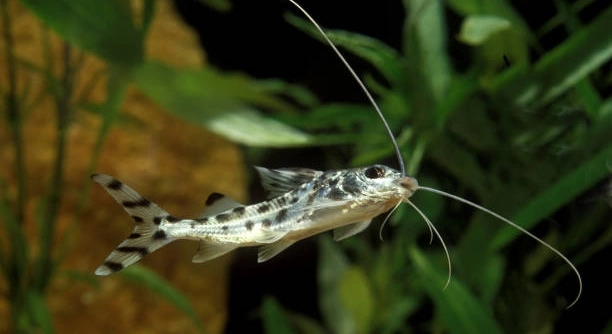
Many fish owners enjoy keeping pictus catfish for their active behavior and unique appearance. However, these fish can sometimes appear skittish or nervous in their tanks. Understanding what causes this behavior is important for their well-being.
Pictus catfish become skittish mainly due to poor water quality, sudden changes in their environment, inappropriate tank mates, overcrowding, insufficient hiding places, loud noises, and improper lighting. These factors create stress that affects their comfort and behavior.
Recognizing these common mistakes can help you create a calmer environment for your pictus catfish and improve their overall health and activity levels.
Poor Water Quality
Water quality plays a crucial role in the health of pictus catfish. These fish are sensitive to changes in water parameters like pH, ammonia, nitrite, and nitrate levels. Poor water conditions can cause stress, leading to skittish behavior. Frequent water testing and partial water changes are essential to keep the environment stable. A well-maintained filter also helps remove waste and toxins. When water quality deteriorates, fish become more vulnerable to diseases and discomfort. Even small amounts of ammonia or nitrites can make pictus catfish restless. Many owners overlook this because the water looks clear, but invisible toxins still affect the fish. Regular monitoring prevents these problems and supports a calm, healthy tank.
Maintaining clean water reduces stress and promotes natural behavior in pictus catfish, helping them feel secure and active in their habitat.
Stress from poor water quality can cause fish to hide, swim erratically, or refuse food. Keeping water clean ensures they stay comfortable and less prone to illness.
Sudden Environmental Changes
Pictus catfish react strongly to sudden changes in their environment. Moving the tank, adding new decorations, or rearranging plants can disturb their sense of security. These fish rely on familiarity to feel safe. Rapid temperature shifts also increase stress and skittishness. Consistency in lighting and water conditions is important to avoid startling them. When introducing new tank mates, slow acclimation helps reduce tension. Fish exposed to frequent disruptions may hide more and swim nervously. It is better to make changes gradually and observe the catfish’s response. Keeping a stable environment promotes trust and comfort. Over time, pictus catfish will become more relaxed if their habitat remains predictable.
Providing a steady environment encourages pictus catfish to explore confidently and lowers their stress levels.
Inappropriate Tank Mates
Aggressive or overly active tank mates make pictus catfish nervous. They prefer peaceful companions that won’t chase or bully them. Avoid keeping them with large, aggressive fish that may intimidate or harm them. Stress from constant harassment can lead to hiding and skittish behavior.
Choosing compatible tank mates is key to a calm aquarium. Ideal companions include small, peaceful fish like tetras or rasboras. Avoid fin-nippers or overly territorial species. When fish live together harmoniously, pictus catfish feel secure and are less likely to dart around nervously. Regular observation helps detect any signs of bullying early.
Overcrowding intensifies these problems. Too many fish competing for space can increase stress and aggression. A balanced, peaceful community tank supports the natural behavior of pictus catfish.
Overcrowding
Too many fish in one tank reduces swimming space and hides. Pictus catfish need room to move and places to retreat. Overcrowding raises stress levels and competition for resources, making fish uneasy.
When tanks are crowded, water quality also declines faster due to increased waste. This further impacts the catfish’s health and mood. Each pictus catfish requires at least 30 gallons of water for comfort. Providing ample space and hiding spots lets them express normal behavior and reduces fear. A less crowded tank means less stress, fewer conflicts, and a happier fish. Paying attention to stocking levels keeps the aquarium peaceful and enjoyable for everyone.
Insufficient Hiding Places
Pictus catfish need plenty of hiding spots to feel safe. Without enough cover, they become nervous and skittish. Plants, caves, and decorations create secure spaces where they can rest and avoid stress.
Providing varied hiding places mimics their natural habitat. It helps reduce fear and encourages natural behavior. When fish have safe retreats, they explore more confidently.
Loud Noises
Sudden loud noises startle pictus catfish, causing stress and frantic swimming. These fish are sensitive to vibrations and sounds outside the tank.
Keeping the tank in a quiet area minimizes disturbances. Consistent noise levels help maintain a calm environment and prevent unnecessary anxiety.
Improper Lighting
Bright or inconsistent lighting can upset pictus catfish. They prefer dimmer, stable light that mimics their natural, shaded river environments.
Harsh lighting may cause them to hide constantly. Using adjustable lighting helps create a comfortable atmosphere and reduces skittish behavior.
FAQ
Why is my pictus catfish always hiding?
Pictus catfish hide often when they feel stressed or unsafe. Common reasons include poor water quality, lack of hiding places, or aggressive tank mates. They naturally seek shelter to feel secure. Improving water conditions, adding caves or plants, and ensuring peaceful tank mates usually reduces hiding behavior.
How can I reduce skittishness in pictus catfish?
To reduce skittishness, maintain stable water parameters and avoid sudden changes. Provide plenty of hiding spots and keep the tank quiet. Choose compatible tank mates and avoid overcrowding. Gradual adjustments and consistent care help pictus catfish feel more comfortable and less nervous.
What water parameters are best for pictus catfish?
Pictus catfish prefer slightly acidic to neutral pH, around 6.5 to 7.5. Temperature should be between 72°F and 79°F (22°C–26°C). Ammonia and nitrite must be zero, with nitrate below 20 ppm. Regular testing and partial water changes keep conditions stable.
Can loud noises really stress pictus catfish?
Yes, pictus catfish are sensitive to vibrations and loud sounds. Sudden noises can startle them, causing erratic swimming or hiding. Placing the tank in a quiet area and minimizing external disturbances helps maintain their calm.
How often should I clean my pictus catfish tank?
Regular cleaning is essential. Perform partial water changes of about 20-25% every week or two. Clean the filter as recommended but avoid removing all beneficial bacteria. Keeping the tank clean supports good water quality and reduces stress.
What tank size is suitable for pictus catfish?
A minimum of 30 gallons is recommended for a small group of pictus catfish, as they are active swimmers. Larger tanks allow more space to explore and reduce stress. Overcrowding can cause aggression and nervous behavior.
Are pictus catfish nocturnal?
They are mostly nocturnal but also active during the day. They use hiding spots to rest in daylight and become more active at night. Providing shaded areas and dim lighting supports their natural habits.
What are signs of stress in pictus catfish?
Signs include excessive hiding, rapid or erratic swimming, loss of appetite, and clamped fins. Stress can also make them more susceptible to illness. Addressing tank conditions and environment helps reduce stress and promote health.
Can sudden changes in lighting affect pictus catfish behavior?
Yes, abrupt changes or very bright lighting can cause them to hide or swim nervously. Gradual lighting adjustments and dimmer settings mimic their natural environment and reduce anxiety.
Is it necessary to have tank mates with pictus catfish?
They can live alone but enjoy peaceful tank mates. Suitable companions help create a balanced community and reduce boredom. Avoid aggressive or territorial species to keep stress low.
Final Thoughts
Taking care of pictus catfish requires attention to their environment and behavior. These fish are naturally active and curious but can become skittish when their needs are not met. Maintaining good water quality is one of the most important steps. Regular testing and cleaning help keep water safe and stable. Stress from poor water conditions can cause nervous behavior and health problems. Providing a clean and comfortable tank gives pictus catfish the best chance to thrive and show their natural personality.
Another key factor is creating a peaceful, secure environment. Pictus catfish feel safer when they have places to hide and calm tank mates. Adding plants, caves, and decorations helps them retreat when they feel threatened. Avoiding overcrowding and choosing gentle fish species reduce stress and promote harmony. Sudden changes in lighting or loud noises can also make pictus catfish uneasy. Keeping the tank in a quiet spot with steady lighting creates a stable home where these fish can feel confident and explore.
Lastly, understanding pictus catfish behavior helps owners respond to their needs better. Watching for signs of stress, like hiding or erratic swimming, allows for quick action to improve conditions. Small adjustments in tank maintenance, environment, and care routines can make a big difference. Being patient and consistent supports the health and happiness of pictus catfish over time. These fish reward attentive care with lively, engaging activity and add a unique charm to any aquarium setup.

Hello,
If you enjoy the content that we create, please consider saying a "Thank You!" by leaving a tip.
Every little bit helps us continue crafting quality advice that supports the health, happiness, and well-being of pets around the world, for pets of all shapes, sizes, and species.
We really appreciate the kindness and support that you show us!