
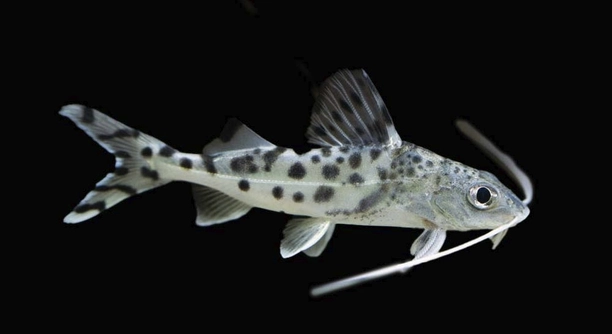
Many catfish owners notice a behavior called flashing in their Pictus catfish. This action often draws attention because it looks unusual or worrying at first. Understanding what flashing means can help keep your fish healthy and comfortable.
Flashing in Pictus catfish is when the fish rubs or scrapes its body against objects in the tank. This behavior usually indicates irritation caused by parasites, poor water quality, or skin infections. It is a common response to discomfort and should be addressed promptly.
Knowing what causes flashing and how to respond can improve your catfish’s well-being. This article explains the reasons behind flashing and offers simple ways to help your fish feel better.
Why Do Pictus Catfish Flash?
Flashing happens when a Pictus catfish rubs its body against tank surfaces. This usually means the fish feels some irritation on its skin. Parasites like ich or external infections can cause this discomfort. Poor water quality, such as high ammonia or nitrite levels, can also make the fish itchy and lead to flashing. Sometimes, flashing happens after introducing new fish or decorations, which might bring in unwanted pests or stress. It’s important to check the tank’s water regularly and keep it clean to avoid these problems. Watching your fish closely helps catch any signs of illness early before they get worse. Providing hiding spots can reduce stress, which may decrease flashing behavior too.
Flashing is a sign that the fish needs care, not just a random habit. Ignoring it can cause more serious health issues.
Keeping an eye on water conditions and acting quickly when flashing starts can protect your Pictus catfish from further harm and ensure it stays comfortable in its home.
How to Treat Flashing in Pictus Catfish
Treating flashing involves identifying the cause first. If parasites are the issue, medications designed for fish parasites should be used carefully according to instructions.
Improving water quality is key. Testing water regularly and performing partial water changes keeps harmful chemicals low and creates a healthier environment. Using a good filter and avoiding overfeeding can also help maintain clean water. Sometimes, adding aquarium salt in small amounts can ease skin irritation and promote healing. Providing gentle aeration increases oxygen, which supports fish health during recovery. If flashing is due to stress, removing aggressive tankmates or adding plants for hiding spots can calm the fish. Monitoring your catfish daily after treatment ensures it improves and prevents future problems. Taking these steps supports a happier, healthier Pictus catfish with less flashing.
Common Causes of Flashing in Pictus Catfish
Flashing is often linked to skin irritation caused by parasites, infections, or poor water conditions. Stress and injury can also trigger this behavior.
Parasites like ich or flukes are common causes. These tiny organisms attach to the fish’s skin, causing itching and discomfort. Infections, whether bacterial or fungal, can also irritate the skin. Poor water quality worsens these conditions by weakening the fish’s immune system. High ammonia or nitrite levels damage the skin, making it easier for parasites and infections to take hold. Stress factors such as overcrowding or sudden changes in the tank environment increase vulnerability. Even minor injuries from rough decorations can lead to flashing as the fish tries to soothe the affected area.
Addressing these causes early helps prevent the issue from escalating. Regular tank maintenance, careful observation, and quick treatment are essential to keep your Pictus catfish healthy and flashing-free.
Preventing Flashing in Your Pictus Catfish
Maintaining clean water is the most important step in prevention. Regular water changes and testing help avoid harmful chemical buildup. Avoid overcrowding and provide plenty of hiding spots to reduce stress. Feeding a balanced diet supports the fish’s immune system, helping it fight off infections and parasites. When introducing new fish or decorations, quarantine them first to prevent introducing diseases. Keep decorations smooth and free from sharp edges to avoid injuries. Observing your catfish daily allows you to spot early signs of flashing or illness. Prevention requires consistent care but pays off with a healthier, happier fish that flashes less.
Signs to Watch for Alongside Flashing
Flashing is often accompanied by other signs like lethargy or loss of appetite. The fish may also scratch more frequently or have visible spots on its body.
Changes in behavior or appearance, such as clamped fins or rapid breathing, can indicate worsening health. Watching for these signs helps catch problems early.
When to Consult a Vet
If flashing continues despite improving tank conditions, it’s best to seek professional advice. Persistent flashing might mean a deeper infection or serious parasite issue needing medication.
A vet can provide accurate diagnosis and treatment options that are not available over the counter, ensuring your catfish recovers properly.
Effects of Flashing on Fish Health
Continuous flashing can cause skin damage and increase infection risk. It stresses the fish and lowers its immunity, making recovery harder.
Keeping flashing under control improves your fish’s overall health and longevity.
FAQ
What does flashing mean in Pictus catfish?
Flashing means the fish is rubbing its body against tank surfaces. This usually shows irritation or discomfort caused by parasites, infections, or poor water quality. It is a way the fish tries to relieve itching or pain on its skin.
Is flashing normal behavior for Pictus catfish?
Occasional flashing might happen without serious problems, like when cleaning or adjusting to a new environment. However, frequent or intense flashing often signals a health issue. It should not be ignored because it may indicate stress, parasites, or water quality problems.
How can I tell if my Pictus catfish has parasites?
Look for white spots, redness, or wounds on the fish’s skin. The fish may flash more often, scratch itself, or swim abnormally. Parasites like ich cause visible spots, while flukes may cause the fish to gasp or breathe rapidly.
What water conditions cause flashing?
High ammonia, nitrite, or nitrate levels can irritate your catfish’s skin. Incorrect pH, temperature swings, or poor oxygen levels also stress the fish and cause flashing. Keeping water parameters stable and clean is key to prevention.
How often should I change the water to prevent flashing?
Partial water changes of 20-30% once a week work well for most tanks. This helps keep toxins low and water fresh. More frequent changes may be needed if water quality is poor or if the tank is heavily stocked.
Can flashing be caused by stress?
Yes, stress from overcrowding, aggressive tankmates, or sudden changes in environment can cause flashing. Providing hiding places and stable conditions helps reduce stress and decreases flashing behavior.
What treatments work best for flashing?
Treatments depend on the cause. Parasite infections require specific medications. Improving water quality with regular changes and filtration is always needed. Sometimes, aquarium salt helps soothe irritated skin. Always follow medication instructions carefully.
Should I quarantine new fish to prevent flashing?
Quarantining new fish for 2-4 weeks before adding them to your main tank reduces the risk of introducing parasites or diseases that cause flashing. It helps keep your existing fish healthy.
Can poor diet cause flashing?
A poor diet weakens your catfish’s immune system, making it more vulnerable to infections that cause flashing. Feeding a balanced, high-quality diet supports overall health and reduces flashing risk.
How long does flashing last?
If treated quickly and conditions improve, flashing may stop within days to a week. Persistent flashing after treatment means the problem might be more serious and needs professional help.
Is flashing harmful to the fish?
Flashing itself is not harmful but shows discomfort. If untreated, the fish can develop skin damage, infections, or stress-related illnesses. Early action is important to prevent these complications.
Can flashing happen in other catfish species?
Yes, flashing occurs in many catfish species when they experience skin irritation or stress. Causes and treatments are similar, but always research the needs of your specific fish.
How can I keep my Pictus catfish comfortable?
Keep water clean and stable, provide hiding spots, avoid overcrowding, and feed a good diet. Monitor your fish daily and act on any signs of flashing or illness to keep it comfortable and healthy.
Flashing in Pictus catfish is an important behavior to watch for because it often signals that something is wrong. When these fish rub themselves against tank surfaces, they are usually trying to ease some kind of discomfort. This discomfort can come from parasites, infections, or poor water conditions. Sometimes flashing happens because of stress or minor injuries. Understanding why flashing happens helps you take better care of your catfish and prevent more serious problems. Paying close attention to your fish’s behavior and environment can make a big difference in its health and happiness.
Taking care of a Pictus catfish means maintaining good water quality and a stable tank environment. Regular water changes, proper filtration, and checking water parameters like ammonia and nitrites are essential. Keeping the tank clean reduces the chances of parasites and infections that cause flashing. It’s also important to avoid overcrowding and provide hiding places to reduce stress. A balanced diet supports your fish’s immune system and helps it resist illness. When flashing does occur, addressing the cause quickly by improving water conditions or using treatments can stop the behavior and help your fish recover.
Watching for flashing and other signs of distress is a useful way to protect your Pictus catfish’s health. Flashing should not be ignored or seen as normal behavior if it happens often. Early detection and response can prevent skin damage and serious infections. If flashing continues despite your efforts, seeking advice from a vet or fish specialist is a good idea. Taking these steps ensures your catfish stays healthy, comfortable, and can enjoy a long life in your aquarium.

Hello,
If you enjoy the content that we create, please consider saying a "Thank You!" by leaving a tip.
Every little bit helps us continue crafting quality advice that supports the health, happiness, and well-being of pets around the world, for pets of all shapes, sizes, and species.
We really appreciate the kindness and support that you show us!