
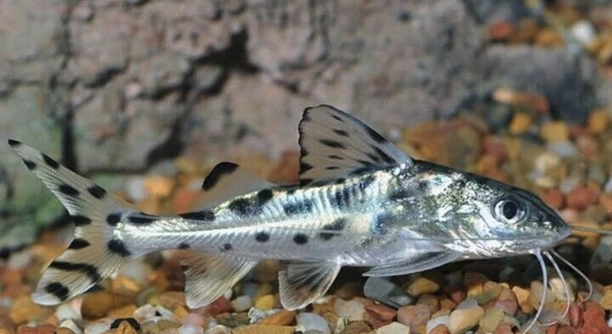
An injured pictus catfish can raise concerns for many aquarium owners. Knowing how to care for these fish properly is important for their recovery. Understanding whether to isolate them helps maintain a healthy tank environment.
Isolating an injured pictus catfish is generally recommended to prevent further stress and injury, and to protect the fish from potential aggression by tank mates. Isolation allows for focused treatment and monitoring of the fish’s health.
Proper care of injured pictus catfish ensures they have the best chance to heal and thrive. This article explores the key steps to support their recovery safely.
Why Isolating an Injured Pictus Catfish Helps
When a pictus catfish gets injured, isolating it can reduce stress and prevent worsening of its condition. In a community tank, other fish might nip or chase the injured catfish, slowing its recovery. Isolation in a quiet, controlled environment helps the fish rest and heal more effectively. It also allows for easier observation of symptoms or changes in behavior that may require attention. In the isolation tank, water quality can be maintained at optimal levels without interference from other fish. Treating the injury is simpler because medications can be added without affecting other tank inhabitants. This controlled setting also prevents the spread of potential infections to healthy fish. The goal is to create a calm, safe space that supports healing while avoiding unnecessary risks from the main tank environment.
Isolating an injured pictus catfish minimizes risks and supports focused care for faster recovery.
Proper isolation includes gentle handling and maintaining clean, stable water conditions. Adjusting temperature and feeding the catfish soft, nutritious food can also improve healing. Monitoring the fish daily helps catch any worsening symptoms early. Isolation is a temporary but important step to protect the fish until it regains strength. When the catfish shows signs of improvement, gradual reintroduction to the main tank can be done carefully to avoid new stress. This process helps ensure the fish returns healthy and ready to thrive with its tank mates.
Setting Up an Isolation Tank
An isolation tank should be quiet and separate from the main aquarium to reduce stress.
The tank needs proper filtration and regular water changes to maintain cleanliness. A heater set to match the main tank’s temperature helps keep the fish comfortable. Avoid strong currents that may tire the injured fish. Adding a few hiding spots can make the catfish feel secure. The tank should be large enough for the fish to swim freely but small enough to manage easily. Lighting should be soft, mimicking natural conditions without startling the fish. Feeding should be done carefully, offering easily digestible food in small amounts to prevent waste buildup. Maintaining good water quality is crucial since injured fish are more vulnerable to poor conditions. Regular checks for signs of improvement or complications guide care decisions. An isolation tank is a practical tool to support recovery and protect the health of all aquarium inhabitants.
Common Injuries in Pictus Catfish
Injuries often include fin damage, scratches, and sometimes scale loss. These can occur from sharp decorations, aggressive tank mates, or rough handling during tank maintenance.
Fin tears and scratches usually heal well with proper care and clean water. However, infections can develop if wounds are exposed to bacteria or poor water conditions. It is important to watch for signs such as redness, swelling, or unusual behavior. Early treatment can prevent complications. Minor injuries often do not require isolation, but more serious wounds benefit from separate care. Injuries may also indicate tank issues, such as aggression or sharp objects, which should be addressed to prevent future harm.
Some owners use antibiotics or antifungal treatments when infections appear. Always follow dosage instructions and observe the fish closely. Keeping the tank environment stable supports healing and reduces stress on the injured pictus catfish.
Feeding an Injured Pictus Catfish
Feed soft, easily digestible foods during recovery. Avoid hard pellets or foods that require vigorous chewing. Offer small portions multiple times a day.
Soft foods like bloodworms, brine shrimp, or soaked pellets help maintain nutrition without stressing the fish’s injury. Proper nutrition is vital for healing and immune support. In some cases, supplements may be added to the diet after consulting a veterinarian or experienced aquarist. Avoid overfeeding, as uneaten food can pollute the water and harm recovery. Monitor the fish’s appetite closely and adjust feeding if it decreases. Maintaining a routine feeding schedule helps keep the fish comfortable and encourages recovery.
During isolation, the catfish may be less active. Feeding smaller amounts and removing leftovers quickly protects water quality. Feeding the injured pictus catfish with care supports its strength and aids in a quicker return to health.
Monitoring Behavior During Isolation
Injured pictus catfish may become less active and hide more than usual. This behavior helps conserve energy and avoid further stress. Watching these changes closely is important.
Sudden changes in swimming patterns or appetite may signal complications. Regular observation allows timely intervention, ensuring the fish receives proper care. Documenting behavior daily helps track progress and decide when it’s safe to return the fish to the main tank.
Water Quality in the Isolation Tank
Maintaining excellent water quality is critical during isolation. Frequent water changes and gentle filtration reduce toxins and keep the environment stable. Avoid overcrowding to minimize waste buildup. Testing for ammonia, nitrites, and nitrates regularly prevents harmful spikes. Proper water conditions speed up healing and reduce infection risks, giving the injured catfish the best chance for recovery.
Preventing Future Injuries
Keep the main tank free of sharp decorations and aggressive fish. Creating a peaceful environment helps reduce injury risks. Regular tank maintenance and observation prevent many common issues.
When to Return Your Catfish to the Main Tank
Only return the catfish when it is fully healed, showing normal swimming and eating behaviors. Ensure the main tank conditions are stable and safe to avoid relapses.
FAQ
How long should I isolate an injured pictus catfish?
The isolation period varies depending on the severity of the injury. Minor wounds might heal in one to two weeks, while more serious injuries or infections may require several weeks of care. It is best to keep the fish isolated until it shows clear signs of recovery, such as normal swimming, eating, and no visible wounds.
Can I treat the injury in the main tank instead of isolating the fish?
Treating an injured fish in the main tank is possible but not ideal. Medications may affect other tank inhabitants, and injured fish are more vulnerable to stress and aggression. Isolation provides a controlled environment to give focused treatment and better chances for healing.
What signs indicate that my pictus catfish is healing properly?
Healing fish will regain normal swimming activity and appetite. Visible wounds should gradually close without redness, swelling, or signs of infection. The fish will become more responsive and show less hiding behavior as it recovers. Monitoring these signs daily helps ensure treatment is working.
What if my pictus catfish refuses to eat during isolation?
It is common for injured fish to eat less at first. Offering soft, appealing foods like bloodworms or brine shrimp can help stimulate appetite. Avoid overfeeding and remove uneaten food promptly. If loss of appetite persists for more than a few days, it may indicate stress or infection, requiring further care or professional advice.
Are there specific medications recommended for pictus catfish injuries?
Antibiotics or antifungal treatments are often used if infections appear. Always choose medications safe for your fish species and follow the recommended dosage carefully. Avoid mixing medications without expert advice, as some combinations can be harmful. Water changes and tank hygiene remain the best first steps.
How do I prevent injuries in the future?
Remove any sharp or rough decorations that could cause cuts. Avoid housing aggressive fish with your pictus catfish. Regular tank maintenance and water quality checks reduce stress and vulnerability. Providing plenty of hiding places helps the fish feel secure and lowers the chance of injury.
Can isolation tanks cause stress for pictus catfish?
While isolation can be stressful, it is usually less harmful than remaining injured in a community tank. Keeping the isolation tank calm, with proper water conditions and hiding spots, helps minimize stress. Limiting noise and movement near the tank also supports a peaceful environment.
Is it necessary to quarantine new fish before adding them to the tank?
Yes, quarantining new fish is important to prevent introducing diseases or parasites that could injure or infect your existing fish. A separate quarantine tank for two to four weeks allows observation and treatment if needed. This step protects the health of all your aquatic pets.
What is the best way to reintroduce an injured pictus catfish to the main tank?
Before reintroduction, ensure the fish is fully healed and active. Acclimate it slowly by floating the isolation tank bag in the main tank water for 15 to 30 minutes. Gradually mix water from the main tank into the bag over time. This reduces shock and helps the fish adjust to its environment smoothly.
Can stress cause injuries in pictus catfish?
Stress weakens the fish’s immune system and can lead to injuries from aggressive tank mates or poor swimming control. Causes of stress include poor water quality, overcrowding, and incompatible tank mates. Managing these factors helps keep your pictus catfish healthy and less prone to injury.
How often should I check on my isolated fish?
Daily observation is recommended to monitor behavior, appetite, and wound healing. This helps detect problems early and adjust care as needed. Avoid frequent handling to minimize additional stress, but keep the environment stable and clean throughout the isolation period.
What should I do if the injury worsens despite isolation?
If wounds become swollen, discolored, or the fish behaves unusually, consider consulting an aquatic veterinarian or experienced aquarist. Advanced infections may require stronger treatments or professional care. Maintaining water quality and minimizing stress remain essential during this time.
Are there natural remedies safe for treating minor injuries?
Some aquarists use natural remedies like aquarium salt or herbal treatments in small amounts to support healing. These can help reduce stress and prevent mild infections but should be used cautiously. Always research proper dosages and effects before trying any natural treatment.
Can an injured pictus catfish survive without isolation?
Survival without isolation depends on the injury and tank conditions. Mild injuries might heal in a peaceful, clean tank, but the risk of infection and aggression is higher. Isolation provides a safer environment and improves the chances of full recovery.
How can I tell if the injury is caused by disease or physical damage?
Physical injuries often have visible cuts or torn fins, while diseases may show symptoms like white spots, fungus, or unusual growths. Behavioral changes may accompany both. Accurate identification is important for proper treatment, so observation and research are key.
Is water temperature important during recovery?
Yes, keeping water temperature stable and within the ideal range (around 75-80°F or 24-27°C) helps the fish’s metabolism and immune function. Sudden temperature changes can increase stress and slow healing. Use a reliable heater and thermometer in the isolation tank.
How long can pictus catfish live after injury?
With proper care, many pictus catfish recover fully and continue to live several years. Recovery depends on the injury type, treatment, and tank conditions. Timely isolation and care improve long-term survival and quality of life.
Can isolation tanks be reused for other fish?
Yes, after thorough cleaning and water changes, isolation tanks can be reused for other injured or sick fish. Avoid cross-contamination by disinfecting equipment and monitoring water quality before introducing a new occupant.
What are the risks of not isolating an injured pictus catfish?
Failing to isolate can lead to increased stress, infection, and further injury from other fish. It also makes monitoring and treatment difficult, which may reduce recovery chances and threaten the health of the entire tank.
How important is lighting in the isolation tank?
Soft, moderate lighting reduces stress and simulates natural conditions. Bright or flickering lights can startle injured fish and delay recovery. Providing hiding places allows the fish to escape light when needed.
Can injured pictus catfish still interact with other fish?
Interaction during injury is risky as other fish may nip or chase the weakened catfish. Isolation limits interaction to protect the fish until it regains strength. After healing, gradual reintroduction allows safe socializing again.
Final Thoughts
Taking care of an injured pictus catfish requires patience and attention. Isolating the fish helps reduce stress and prevents further harm from other tank mates. A separate tank allows for better control of water quality and medication use. It also makes it easier to monitor the fish’s condition closely. Giving your catfish a calm and safe space can improve the chances of a full recovery. Remember that the healing process may take time, and it’s important to avoid rushing the return to the main tank.
Proper water conditions play a crucial role in recovery. Clean, well-filtered water with stable temperature supports the fish’s immune system. Regular water changes help remove harmful toxins that can slow healing or cause infections. Providing soft, nutritious food encourages the injured fish to eat and regain strength. Feeding smaller portions multiple times a day can be helpful when the fish is weak. Keeping the environment quiet and limiting handling also reduces stress and helps the fish focus on healing.
Once the pictus catfish shows clear signs of improvement, such as normal swimming and eating, it can be carefully reintroduced to the main tank. Make sure the tank is free from sharp decorations and aggressive fish that could cause new injuries. Continue observing the fish closely after reintroduction to catch any problems early. Injuries in fish can be upsetting, but with proper care and patience, your pictus catfish can return to good health and enjoy a safe, happy life in its home aquarium.

Hello,
If you enjoy the content that we create, please consider saying a "Thank You!" by leaving a tip.
Every little bit helps us continue crafting quality advice that supports the health, happiness, and well-being of pets around the world, for pets of all shapes, sizes, and species.
We really appreciate the kindness and support that you show us!