
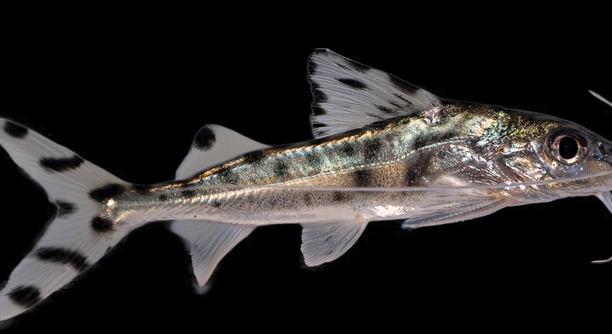
Many people enjoy keeping Pictus catfish as part of their home aquariums. These active fish can add life and interest to a tank. However, like any pet, they may show signs of discomfort when their environment isn’t ideal.
Pictus catfish may exhibit signs of stress or dissatisfaction with their tank through behaviors such as hiding excessively, refusing to eat, erratic swimming, or visible physical changes. These clues indicate that adjustments in tank conditions may be necessary for their well-being.
Recognizing these signs early helps maintain a healthy habitat for your fish and promotes their long-term comfort and vitality.
Excessive Hiding Behavior
When your Pictus catfish spends most of its time hiding, it is often a clear sign that something is wrong with its tank environment. These fish naturally enjoy exploring but will retreat if stressed or uncomfortable. Common causes include poor water quality, inappropriate tank mates, or insufficient hiding spots. If the water parameters, such as pH and temperature, are off, the fish may seek refuge more often. Aggressive or overly active tank mates can also frighten a Pictus catfish, causing it to hide. Lastly, a lack of plants or decorations where the fish can feel secure will contribute to its withdrawal. Regularly check these factors and provide a balanced setup to help your catfish feel safe and confident.
Signs of stress like hiding can be subtle but are important to notice early to avoid serious health issues.
Providing plenty of natural hiding places like plants and caves helps the catfish feel more secure. Keep water clean and stable, and observe tank dynamics to reduce stress triggers. Adjusting these conditions can encourage your catfish to explore and behave more naturally.
Refusal to Eat
A Pictus catfish that stops eating is a serious warning sign. Loss of appetite often indicates poor water conditions, illness, or stress. Unlike some fish, they usually maintain a steady appetite when comfortable and healthy. Watch for changes in behavior that accompany refusal to eat, such as lethargy or unusual swimming patterns. Water quality should be tested regularly for ammonia, nitrite, and nitrate levels, as toxins quickly affect fish health. Also, consider if recent changes were made to the tank, such as new fish additions or equipment adjustments, which might cause stress. Treatment depends on identifying the exact cause, but maintaining stable and clean conditions is the first step.
Monitoring your Pictus catfish’s eating habits provides insight into its overall well-being and helps you catch problems early.
If poor appetite continues, consult with a vet or aquarium specialist. Infections or parasites can cause appetite loss and require treatment. Adjust feeding routines with high-quality food and avoid overfeeding. Keeping a stable environment reduces stress and supports a healthy appetite.
Erratic Swimming Patterns
Erratic swimming, such as darting around the tank or crashing into objects, often signals stress or poor water conditions. It may also indicate the presence of parasites or illness affecting your Pictus catfish’s nervous system.
Stress from sudden changes in water temperature or poor water quality can cause disorientation. Parasites, such as ich, may irritate the fish, making it swim unpredictably. Also, overcrowding and aggressive tank mates can increase anxiety, leading to frantic swimming. Keeping the tank stable and clean helps prevent these behaviors.
If erratic swimming persists, test water parameters and observe for other signs of illness. Treatment for parasites or infections should begin promptly to avoid worsening symptoms. Adjust tank conditions and remove aggressive fish to create a calmer environment for your catfish.
Visible Physical Changes
Visible changes like faded colors, torn fins, or bloating indicate poor health. These signs often relate to stress, infections, or inadequate nutrition in the tank.
Color loss can result from prolonged stress or insufficient lighting. Torn or frayed fins may occur from fights with other fish or rough tank décor. Bloating could be a sign of internal parasites or poor diet. Regular observation helps detect these issues early. Ensuring proper diet, water quality, and tank mates supports the fish’s physical condition.
If you notice physical damage, check water quality immediately. Quarantine sick fish and treat infections as needed. Improving tank conditions promotes healing and prevents further health decline.
Lack of Activity
A Pictus catfish that remains still for long periods may be uncomfortable or unwell. These fish are usually active and curious.
Reduced activity often signals stress, poor water quality, or illness. Monitoring behavior helps identify when something is wrong.
Unusual Breathing Movements
Rapid or labored breathing is a warning sign. It may indicate low oxygen levels or gill disease.
Keep water well-oxygenated and clean to support healthy breathing. Remove any toxins or waste buildup promptly to avoid stress.
Tank Size Issues
Pictus catfish need adequate space to swim freely. A cramped tank limits movement and increases stress, leading to behavioral problems. Providing a larger tank or reducing the number of fish can improve their comfort and overall health.
FAQ
How can I improve water quality for my Pictus catfish?
Maintaining good water quality starts with regular water changes, ideally 25% weekly, to remove waste and toxins. Use a reliable water testing kit to monitor ammonia, nitrite, nitrate, and pH levels. Ammonia and nitrite should always be at zero, while nitrate should stay below 20 ppm. Keep the temperature stable, between 72°F and 78°F, and avoid sudden changes. A good filtration system is essential for removing debris and harmful chemicals. Avoid overfeeding, as leftover food can pollute the water quickly. Adding live plants can also help improve water quality by absorbing nitrates naturally.
What tank size is best for Pictus catfish?
Pictus catfish are active swimmers and require enough space to move freely. A minimum tank size of 30 gallons is recommended for one fish, but larger tanks are better if you plan to keep a group. Overcrowding stresses the fish and increases waste buildup, which negatively affects water quality. Larger tanks offer more stable environments, reducing sudden changes in water parameters. Be sure to provide hiding spots like plants and caves, which make the fish feel secure while allowing plenty of open swimming space.
What are common signs of illness in Pictus catfish?
Common signs include loss of appetite, unusual swimming patterns, rapid breathing, faded coloration, and visible physical damage like torn fins or bloating. Also, excessive hiding and lethargy often indicate the fish is unwell. Early detection is key to successful treatment. Regularly observe your fish’s behavior and appearance to catch problems before they worsen. If symptoms persist despite improving tank conditions, consult an aquatic veterinarian or specialist for advice.
Can tank mates affect my Pictus catfish’s behavior?
Yes, aggressive or overly territorial tank mates can stress Pictus catfish, causing hiding or erratic swimming. Peaceful species that occupy different parts of the tank generally coexist better. Avoid keeping them with large or aggressive fish that might bully or harm them. Proper tank mate selection reduces stress and helps maintain a calm environment, encouraging natural behaviors and better health.
How often should I feed my Pictus catfish?
Feed your Pictus catfish once or twice daily, offering only what they can consume in a few minutes. Overfeeding leads to water pollution and health problems. A balanced diet includes sinking pellets, live or frozen foods like bloodworms, and occasional vegetables. Varying their diet helps provide necessary nutrients and keeps them interested in food. Monitor feeding habits and adjust as needed based on activity level and health.
What can I do if my Pictus catfish refuses to eat?
First, check water quality and tank conditions, as poor water often causes appetite loss. Remove aggressive tank mates and provide hiding spots to reduce stress. Try offering different food types, such as live or frozen options, to stimulate interest. If the fish continues to refuse food for several days, look for signs of illness and consider consulting a specialist. Quarantining the fish might help if disease is suspected.
Is lighting important for Pictus catfish?
Moderate lighting is best since Pictus catfish are nocturnal and prefer dimmer environments. Too much bright light can stress them and cause hiding or inactivity. Use plants or decorations to create shaded areas. A regular day-night cycle supports their natural rhythms, improving behavior and health.
How do I set up a tank to keep my Pictus catfish happy?
Start with a spacious tank and a good filtration system. Maintain stable water parameters within recommended ranges. Provide plenty of hiding places using plants, rocks, and caves. Keep tank mates peaceful and compatible. Feed a balanced diet in appropriate amounts. Regular maintenance, including water changes and monitoring, ensures a healthy and comfortable environment.
Can Pictus catfish live with other catfish species?
They can coexist with other peaceful catfish, provided the tank is large enough to reduce territorial disputes. Avoid mixing with aggressive species or those that compete heavily for the same space or food. Observing their interactions helps you identify any issues early.
What should I do if my Pictus catfish shows signs of stress?
Check water quality and tank setup first. Remove any stress sources such as aggressive fish or poor conditions. Increase hiding spots and ensure proper diet and lighting. Reducing noise or sudden movements near the tank can also help. If stress signs continue, consider consulting a specialist for further guidance.
Final Thoughts
Caring for a Pictus catfish requires close attention to its behavior and environment. These fish are active and sensitive, so any changes in their tank can affect their well-being. Watching for signs like hiding, unusual swimming, or loss of appetite helps identify problems early. Responding quickly by checking water quality, tank size, and tank mates ensures the fish remains healthy and comfortable. Maintaining stable conditions is key to preventing stress and illness.
It is important to provide a spacious tank with clean water and plenty of hiding places. Proper diet and compatible tank mates also play a major role in keeping your Pictus catfish happy. Regular maintenance, such as water changes and filter cleaning, supports a stable habitat. Avoid sudden changes in temperature or water parameters, as these can upset your fish. When the environment suits their needs, Pictus catfish display natural, lively behaviors and stay healthy longer.
If your Pictus catfish shows signs of discomfort, addressing the cause promptly will improve its quality of life. Sometimes small adjustments, like adding plants or reducing aggressive fish, can make a big difference. Being observant and proactive helps prevent more serious issues. Overall, a balanced environment, proper care, and regular monitoring create the best conditions for your Pictus catfish to thrive peacefully in its tank.

Hello,
If you enjoy the content that we create, please consider saying a "Thank You!" by leaving a tip.
Every little bit helps us continue crafting quality advice that supports the health, happiness, and well-being of pets around the world, for pets of all shapes, sizes, and species.
We really appreciate the kindness and support that you show us!