
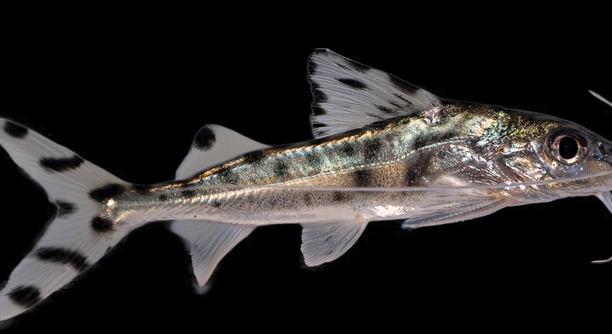
Adding oxygen to a pictus tank is essential for maintaining a healthy environment for your fish. Proper oxygen levels support their breathing and overall well-being. This article outlines safe and effective methods to increase oxygen in your aquarium.
Ensuring adequate oxygen in your pictus tank can be achieved through various techniques such as using air pumps, increasing water surface agitation, installing sponge filters, and maintaining live plants. These methods improve gas exchange and promote a stable aquatic habitat.
Understanding these approaches will help you keep your pictus fish comfortable and thriving in their tank environment. The following tips offer practical ways to boost oxygen safely.
Using Air Pumps for Better Oxygenation
Air pumps are one of the easiest and most effective ways to increase oxygen in a pictus tank. They push air into the water, creating bubbles that rise to the surface. This movement helps dissolve oxygen into the water while allowing carbon dioxide to escape. Most air pumps are simple to install and operate quietly. It’s important to choose a pump sized appropriately for your tank to avoid over-aeration or insufficient oxygenation. Air stones or diffusers attached to the pump create finer bubbles, improving oxygen transfer. Regular maintenance, like cleaning the stones and checking tubing, ensures the system works well over time. An air pump also helps keep water circulating, which prevents stagnant areas where oxygen levels might drop. Using an air pump is a reliable option to keep your pictus tank well-oxygenated, especially if the tank lacks strong water flow or live plants.
Air pumps improve oxygen levels by increasing surface agitation and circulation. They are low maintenance and adaptable to most tank sizes.
Besides boosting oxygen, air pumps create a gentle current that benefits your fish’s health and keeps the tank cleaner by moving debris toward the filter. The soft bubbling sound also adds a calming ambiance. Installing an air pump is straightforward and can be done without disturbing the fish much. It’s good to check the airflow regularly to ensure the pump is working correctly and replace worn parts as needed. Combining air pumps with other methods, such as live plants or sponge filters, maximizes oxygen levels and creates a balanced environment. In summary, air pumps are a practical and effective way to add oxygen safely to your pictus tank.
Adding Live Plants to Increase Oxygen
Live aquatic plants naturally produce oxygen through photosynthesis, which benefits your pictus tank environment. They absorb carbon dioxide and release oxygen during the day, improving water quality. Adding plants also offers hiding places and reduces stress for the fish. Choose plants that thrive in your tank’s conditions and do not require excessive care. Avoid overplanting to maintain good water flow and prevent decay. Plants like Anubias, Java fern, and Amazon sword are hardy options suitable for pictus tanks. Live plants also help absorb nitrates and other waste, supporting overall tank health. Their presence balances the ecosystem, making oxygen levels more stable without mechanical devices.
Plants enhance oxygen and create a natural, comfortable habitat for your fish. They require minimal care and improve water quality over time.
Increasing Water Surface Agitation
Water surface agitation helps oxygen enter the tank by breaking the water’s surface tension. This movement allows more air to dissolve into the water. Stronger surface flow also helps release carbon dioxide, improving oxygen levels for your pictus fish.
Using a filter with an adjustable outflow is an easy way to increase surface agitation. Position the outflow so water splashes gently on the surface, creating ripples and movement. Avoid creating strong currents that might stress your fish. Proper surface agitation ensures fresh oxygen-rich water circulates throughout the tank. This method works well alongside air pumps or live plants to maintain a balanced environment. It also helps distribute heat evenly, keeping your tank stable. Regularly checking and adjusting the filter can optimize surface agitation and support healthy oxygen levels.
Water agitation promotes gas exchange and keeps oxygen available. It supports fish health by ensuring consistent water movement and reducing stagnant areas in the tank.
Using Sponge Filters
Sponge filters provide gentle filtration and aeration simultaneously. They draw water through a sponge, trapping debris and offering a surface for beneficial bacteria. Air bubbles from the filter help oxygenate the water efficiently without creating strong currents. Sponge filters are quiet, cost-effective, and safe for pictus fish. They are especially useful in smaller or heavily planted tanks where water flow should remain gentle. Installing a sponge filter requires an air pump but adds little disturbance. The sponge needs regular rinsing in tank water to maintain filtration performance. Combining sponge filters with other oxygenation methods ensures your tank stays clean and well-oxygenated.
Sponge filters offer dual benefits by cleaning and oxygenating water gently. They are suitable for sensitive fish and planted tanks, keeping conditions balanced without stress. Regular maintenance keeps them effective and extends their lifespan.
Regular Water Changes
Regular water changes help maintain oxygen levels by removing waste and replenishing fresh water. This practice keeps the tank environment clean and supports fish health.
Changing 20-30% of the water weekly prevents the buildup of harmful substances. Fresh water naturally contains more oxygen, which boosts the tank’s overall oxygen content.
Using Powerheads for Circulation
Powerheads increase water movement inside the tank, improving oxygen distribution. They create currents that push water toward the surface, enhancing gas exchange. Proper placement is important to avoid stressing pictus fish. Powerheads are effective in larger tanks where natural flow is limited. By improving circulation, powerheads help keep oxygen levels stable and water quality consistent, which benefits the fish’s well-being.
Avoid Overcrowding Your Tank
Too many fish in the tank lowers oxygen availability. Overcrowding increases waste and depletes oxygen faster. Keeping a suitable number of pictus fish ensures a healthier environment.
FAQ
How do I know if my pictus tank needs more oxygen?
Signs of low oxygen include fish gasping at the surface, sluggish behavior, or frequent hiding. If your pictus fish appear restless or listless, it could indicate oxygen levels are low. Testing your water with an oxygen meter or test kit can provide accurate readings to confirm the situation. Regular observation helps catch problems early.
Can I rely only on plants to oxygenate my pictus tank?
While live plants produce oxygen during the day, they consume it at night. Relying solely on plants may cause oxygen dips when lights are off. Combining plants with air pumps or filters ensures a steady oxygen supply around the clock. This balance keeps your pictus comfortable at all times.
Is it safe to use multiple air pumps or filters?
Using more than one air pump or filter is generally safe if sized appropriately for the tank. Multiple devices can improve oxygen levels and circulation, especially in larger tanks. Be mindful of the water flow strength to avoid stressing the fish, and ensure equipment doesn’t overcrowd the tank.
How often should I check oxygen levels in my tank?
Checking oxygen levels weekly is a good practice, especially if you notice changes in fish behavior or tank conditions. More frequent monitoring may be needed during hot weather or when the tank is newly established. Keeping a record can help track patterns and adjust care accordingly.
Does water temperature affect oxygen levels?
Yes, warmer water holds less oxygen than cooler water. Higher temperatures increase fish metabolism, raising oxygen demand while reducing available oxygen. Maintaining a stable, suitable temperature for pictus fish supports oxygen balance. Using a reliable heater and thermometer helps keep conditions steady.
Can overfeeding affect oxygen levels?
Overfeeding increases waste and decaying food, which consume oxygen during decomposition. This process lowers oxygen availability and can harm fish. Feeding only what your pictus can eat within a few minutes prevents leftover food and maintains water quality.
Are bubbles from air stones always good for oxygenation?
Bubbles increase surface agitation and oxygen transfer, but too many large bubbles can stress pictus fish. Fine bubbles created by quality air stones improve oxygenation gently. Adjust airflow to keep bubbles small and avoid excessive turbulence.
What should I do if my fish show signs of low oxygen at night?
If low oxygen symptoms appear at night, increasing aeration with an air pump or additional filter can help. Ensuring live plants don’t overcrowd the tank improves water flow. Performing partial water changes before nightfall also boosts oxygen levels.
Is it necessary to clean filters often to maintain oxygen?
Yes, dirty filters reduce water flow and oxygen exchange. Cleaning filter media monthly or as needed keeps equipment efficient. Use tank water for rinsing to preserve beneficial bacteria and avoid disrupting the tank’s balance.
Can overcrowding be fixed without moving fish?
Reducing feeding and increasing aeration can help temporarily. However, the best solution is to move excess fish to another tank or find new homes. Keeping the tank properly stocked prevents stress and oxygen depletion over time.
Does substrate type affect oxygen levels?
Certain substrates can trap debris and reduce water flow near the bottom, limiting oxygen. Using substrates like fine gravel or sand that allow water movement helps maintain oxygen levels. Regular vacuuming prevents buildup that can harm water quality.
Are oxygen tablets or supplements necessary?
Oxygen tablets are rarely needed if the tank has proper aeration and plants. They can provide a quick boost in emergencies but should not replace regular maintenance and equipment. Relying on natural oxygen sources and circulation is safer long-term.
Can lighting affect oxygen levels in planted tanks?
Lighting influences photosynthesis, so proper light duration helps plants produce oxygen. Too little light limits oxygen production, while too much can cause algae growth and oxygen fluctuations. A balanced lighting schedule supports healthy plant oxygen output.
What is the best combination of methods to add oxygen?
A combination of air pumps, live plants, surface agitation, and regular water changes creates the most stable oxygen environment. This multi-method approach prevents drops and maintains clean, well-oxygenated water for your pictus fish to thrive.
Final Thoughts
Maintaining proper oxygen levels in your pictus tank is important for the health and comfort of your fish. Oxygen supports their breathing and overall well-being. There are several safe methods to increase oxygen, and combining these approaches often works best. Air pumps, live plants, water surface agitation, and regular water changes all contribute to a stable, oxygen-rich environment. Each method has its benefits, and together they create a balanced tank that promotes the longevity of your pictus fish.
Using air pumps is a straightforward way to add oxygen. They create bubbles that increase water movement and help gas exchange at the surface. Live plants naturally produce oxygen during the day and improve water quality by absorbing waste. Surface agitation from filters or powerheads encourages oxygen to dissolve into the water. Regular water changes keep the water fresh and remove waste that can reduce oxygen levels. By paying attention to these factors, you provide your fish with a healthier tank environment.
It is also important to avoid overcrowding and overfeeding, as these increase waste and consume oxygen faster. Keeping the tank clean and monitoring water conditions regularly supports oxygen balance. Some methods, like sponge filters, offer gentle filtration while boosting oxygen. The combination of these techniques helps maintain clear, oxygen-rich water, reducing stress on your fish. Overall, caring for oxygen levels requires consistent attention but is simple with the right equipment and habits. This care helps your pictus fish thrive and enjoy a better quality of life.

Hello,
If you enjoy the content that we create, please consider saying a "Thank You!" by leaving a tip.
Every little bit helps us continue crafting quality advice that supports the health, happiness, and well-being of pets around the world, for pets of all shapes, sizes, and species.
We really appreciate the kindness and support that you show us!