
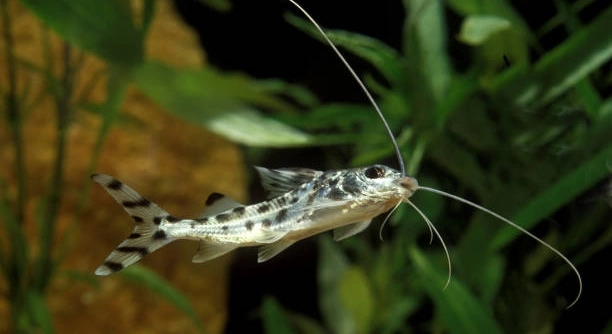
Pictus catfish are popular in home aquariums for their peaceful nature and active behavior. However, they sometimes refuse new types of food, which can confuse fishkeepers. Understanding why this happens can help maintain their health and well-being.
Pictus catfish may ignore new food due to stress, unfamiliarity, or dietary preferences. Changes in their environment or the texture and smell of the food can make them hesitant to eat. Gradual introduction and consistent feeding routines encourage acceptance.
Learning more about these feeding habits can improve your catfish’s diet and overall care. The following details will explain the common reasons and practical solutions for feeding challenges.
Common Reasons Pictus Catfish Ignore New Food
Pictus catfish can be cautious when it comes to trying new food. One reason is their natural preference for certain textures and flavors, which may not match the new food offered. Stress from changes in their environment, such as new tank mates or water conditions, can also cause them to reject unfamiliar food. Additionally, these fish are nocturnal feeders, so introducing new food during the day might make them less interested. If the food sinks too quickly or floats away, they might miss it altogether. Overfeeding with familiar food can reduce their appetite for anything different. Patience is important because these fish need time to adjust. Gradually mixing new food with their usual diet can help them accept it. Observing their behavior and feeding patterns can also provide clues to what they prefer, ensuring they get the nutrition they need.
New food rejection is often temporary if changes are made thoughtfully and consistently. Small adjustments can encourage better acceptance over time.
Introducing food slowly and feeding at night increases the chance that pictus catfish will try new items. Ensuring the food matches their feeding habits makes a big difference in their willingness to eat.
How to Encourage Pictus Catfish to Eat New Food
Introducing new food to pictus catfish requires a careful approach. Start by offering small amounts of new food mixed with their regular diet. This helps them get used to the new texture and taste without overwhelming them. Feeding at dusk or night, when they are naturally more active, also improves acceptance. Maintaining consistent feeding times builds trust and reduces stress. Ensuring the tank environment is stable and free from disturbances helps create a calm atmosphere, which supports better feeding habits. Removing leftover food prevents waste and keeps the water clean, which is essential for their health. Offering a variety of foods, such as live or frozen options, encourages natural foraging behavior and keeps their diet balanced.
With patience and attention, pictus catfish can gradually adapt to new food, promoting their health and vitality.
Understanding Pictus Catfish Feeding Habits
Pictus catfish are bottom feeders and tend to be more active during low light conditions. They rely on their whiskers to locate food and prefer sinking pellets or live food that they can easily find on the tank floor.
Their natural feeding habit means they may ignore food that floats or stays near the surface. They are sensitive to sudden changes and may need time to recognize new food types. Feeding them at night or during dim light better matches their natural behavior, increasing the chance they will eat. Offering foods with strong scents can also attract their attention, making new items more appealing.
Overfeeding with familiar food reduces their motivation to try new options. Maintaining a feeding schedule and limiting portions prevents waste and keeps them interested. Introducing variety slowly allows them to adjust without stress, ensuring a balanced diet over time.
Impact of Tank Environment on Feeding
The tank environment plays a big role in how well pictus catfish accept new food. Stressful conditions like poor water quality, overcrowding, or sudden changes can cause them to stop eating new items. Keeping the tank clean and stable supports healthy feeding behavior.
A calm environment with plenty of hiding spots helps reduce stress, making them more comfortable trying new food. Consistent water parameters and minimal disruptions during feeding times encourage regular eating habits. Monitoring tank conditions closely ensures your catfish stay healthy and willing to accept dietary changes.
Feeding Schedule and Consistency
Pictus catfish respond well to a regular feeding schedule. Feeding them at the same time each day reduces stress and encourages them to eat. Consistency builds trust and helps them expect food, which can make new items more acceptable.
Avoid skipping meals or overfeeding, as irregular feeding can disrupt their appetite. Keeping a steady routine supports healthy digestion and keeps your catfish active and interested.
Types of Food to Try
Offering a mix of sinking pellets, frozen bloodworms, and live foods caters to their natural diet. These options provide variety and appeal to their hunting instincts, increasing the chance they will try new food. Avoid flakes or floating foods as these are less suitable.
Monitoring Eating Behavior
Watch how your pictus catfish respond to new foods closely. If they consistently avoid certain items, try different textures or types. Adjusting based on their preferences helps ensure they get the nutrients they need.
Avoiding Overfeeding
Overfeeding leads to uneaten food and poor water quality, which harms your fish. Feed small amounts and remove leftovers promptly to maintain a healthy tank environment.
FAQ
Why won’t my pictus catfish eat new food?
Pictus catfish may refuse new food because they are cautious by nature. They rely on smell, texture, and appearance to decide if food is safe. Stress from changes in their environment or feeding routine can also make them hesitant. Introducing new food gradually helps them adjust.
How long does it take for pictus catfish to accept new food?
Acceptance time varies but generally takes several days to a week. Gradual introduction mixed with their regular food improves chances. Patience is important, as forcing new food too quickly can cause refusal and stress.
Can I feed my pictus catfish only pellets?
Pellets alone can provide basic nutrition, but variety is important. Adding live or frozen foods like bloodworms or brine shrimp offers enrichment and better nutrition. This variety mimics their natural diet and supports their health.
Is it normal for pictus catfish to eat only at night?
Yes, pictus catfish are naturally nocturnal feeders. They prefer to eat in low light or darkness. Feeding them at dusk or night aligns with their instincts and increases the likelihood they will accept food.
What foods are best for pictus catfish?
Sinking pellets designed for bottom feeders are ideal. Supplement with live or frozen foods such as bloodworms, daphnia, and brine shrimp. These options provide protein and encourage natural foraging behavior.
How often should I feed my pictus catfish?
Feeding once or twice a day in small amounts is sufficient. Overfeeding can cause water quality issues and reduce appetite. A consistent feeding schedule helps maintain healthy eating habits.
Can stress cause my pictus catfish to stop eating?
Yes, stress from poor water quality, overcrowding, or sudden tank changes often leads to loss of appetite. Maintaining a stable environment with proper tank conditions helps reduce stress and improves feeding behavior.
What should I do if my catfish refuses all food?
Check water parameters and tank conditions first. If everything is stable, try changing the type or texture of food. Feeding at night or using strong-smelling live or frozen foods may encourage eating. Consult a vet if refusal continues.
Are live foods necessary for pictus catfish?
Live foods are not strictly necessary but beneficial. They provide enrichment and stimulate natural hunting instincts. Live or frozen foods also offer nutritional variety that improves overall health and vitality.
Can pictus catfish eat flakes or floating food?
Pictus catfish prefer sinking food because they feed near the bottom. Flakes or floating food often go uneaten and can pollute the tank. Use sinking pellets or bottom-feeding options instead.
How do I know if my pictus catfish is hungry?
Active searching near the tank bottom and increased movement around feeding time usually indicates hunger. If they swim toward food quickly or become more active, they are likely ready to eat.
What role does tank cleanliness play in feeding?
Clean water supports good health and encourages feeding. Leftover food and waste increase toxins, stressing fish and reducing appetite. Regular tank maintenance helps keep pictus catfish healthy and willing to eat.
Can pictus catfish recognize their owner?
They may recognize movement or feeding patterns but don’t form strong bonds like some other fish. Consistent care and feeding routines build trust and reduce stress, indirectly supporting better feeding habits.
Is it okay to switch food brands suddenly?
Sudden changes can cause refusal. Gradual mixing of old and new food over several days helps fish adjust without stress. Slow transitions improve acceptance and prevent appetite loss.
Do pictus catfish need supplements?
Supplements are rarely necessary if diet is varied and balanced. Occasional vitamin-enriched foods can help but are not required with proper feeding practices.
How important is temperature for feeding behavior?
Temperature affects metabolism and appetite. Pictus catfish prefer temperatures between 74-79°F (23-26°C). Keeping stable temperature within this range supports healthy feeding and digestion.
Final Thoughts
Pictus catfish are interesting and lively fish, but their feeding habits can sometimes be confusing. They may ignore new food for several reasons, including stress, unfamiliarity, or natural preferences. Understanding these reasons helps in providing better care and improving their diet. Being patient and consistent with feeding routines can make a big difference. Gradually introducing new food allows the fish to adjust at their own pace, reducing stress and encouraging them to eat. It is important to remember that pictus catfish are bottom feeders and tend to eat more actively during low light. Feeding them at appropriate times and offering sinking food that matches their natural habits increases the chance they will accept new food.
Maintaining a stable and clean tank environment is essential for healthy feeding behavior. Stress from poor water quality, overcrowding, or sudden changes in the tank can cause pictus catfish to lose interest in food. Regular tank maintenance and monitoring water conditions support their overall health and appetite. Offering a balanced diet that includes a variety of sinking pellets, live foods, and frozen options helps meet their nutritional needs. Overfeeding should be avoided, as leftover food can pollute the water and lead to health issues. Feeding small portions consistently encourages natural foraging behavior and keeps the fish active.
Feeding pictus catfish is a process that requires attention to detail and understanding of their behavior. Recognizing their natural habits and preferences allows for better care and a happier fish. By creating a calm environment, following a consistent feeding schedule, and introducing new food carefully, it is possible to help pictus catfish accept a varied diet. This approach supports their health and vitality, ensuring they thrive in the aquarium. Taking time to observe and respond to their needs makes a positive difference in their feeding success and overall well-being.

Hello,
If you enjoy the content that we create, please consider saying a "Thank You!" by leaving a tip.
Every little bit helps us continue crafting quality advice that supports the health, happiness, and well-being of pets around the world, for pets of all shapes, sizes, and species.
We really appreciate the kindness and support that you show us!