
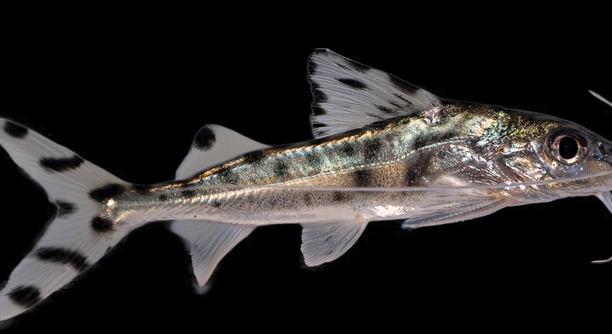
Many people enjoy keeping pictus catfish but sometimes find it challenging to keep them healthy and active. Small changes in their environment can make a big difference for these fish. Improving their tank setup doesn’t have to be expensive or complicated.
Low-cost upgrades like better lighting, improved filtration, adding live plants, and creating hiding spots can significantly enhance pictus catfish well-being. These simple adjustments help mimic their natural habitat and support their health and behavior in captivity.
Implementing these affordable ideas can help your pictus thrive and enjoy a better quality of life in your aquarium.
Improve Tank Filtration
Keeping the water clean is one of the most important things for pictus catfish. These fish produce waste quickly, and poor water quality can stress them out or cause illness. Upgrading to a better filter doesn’t have to be expensive. Even adding a small sponge filter or upgrading to a more efficient hang-on-back filter can make a difference. Good filtration helps remove debris and toxins, keeping the water clear and healthy. Regular maintenance like cleaning or replacing filter media is also key. Pictus catfish prefer water with good flow but not too strong, so adjusting your filter’s flow rate may be necessary. By improving filtration, you create a stable environment where the fish can be active and healthy. This simple upgrade supports their natural behavior and reduces the need for frequent water changes.
A good filter supports stable water conditions that pictus need for growth and activity.
Regular filter maintenance and choosing the right filtration method can prevent many common problems and improve fish health. Consider a filter that balances flow and efficiency without creating too much current, as pictus prefer moderate water movement. Combining mechanical, biological, and chemical filtration ensures the tank stays clean and the water stays balanced. This keeps the fish comfortable and reduces stress.
Add Natural Hiding Spots
Pictus catfish are shy and appreciate places to hide when they feel threatened. Adding natural hiding spots like driftwood, caves, or dense plant areas helps reduce their stress. These spots give the fish a sense of security and encourage natural behaviors. Driftwood can also slightly lower the pH, which many pictus prefer. Live plants not only add hiding places but improve water quality by absorbing nitrates. Creating several hiding spaces around the tank allows the fish to choose where they feel safest. Avoid sharp or rough decorations that can harm their delicate barbels. By making the tank feel more like their natural river habitat, pictus catfish become more confident and active. These upgrades cost little but greatly enhance their well-being and overall tank appearance.
Adding more natural decorations helps pictus feel secure and lowers stress levels.
Plants and driftwood create a comfortable environment, improving the fish’s health and encouraging natural activity. This is a low-cost way to make your aquarium more inviting and reduce aggressive or nervous behavior in pictus catfish.
Improve Lighting Conditions
Proper lighting helps pictus catfish feel comfortable and shows off their natural colors. Avoid overly bright lights, as pictus prefer dimmer, more natural conditions.
Using soft, adjustable LED lights allows you to control the brightness in the tank. This prevents stress and mimics their natural environment. Low light encourages more natural behaviors like foraging and exploring. Avoid direct sunlight, which can cause algae growth and temperature spikes. Position lights to create shaded areas where the fish can retreat if needed. A lighting schedule that follows day and night cycles also supports their health and activity. Good lighting enhances the tank’s appearance and the fish’s well-being.
Consistent, gentle lighting benefits the fish’s mood and visibility, while harsh lighting can cause stress and reduce activity. Adjusting the intensity and duration of light helps maintain a balanced environment.
Add a Sand or Fine Gravel Substrate
Pictus catfish have sensitive barbels that can be damaged by rough or sharp substrates. Using sand or fine gravel is safer and more comfortable for them. This type of substrate also encourages natural digging and foraging behaviors. Coarse gravel may irritate their barbels or cause injuries. Sand mimics their natural riverbeds and supports beneficial bacteria growth, which improves water quality. It is easier to clean and does not trap debris as much as fine gravel. This upgrade improves both the fish’s comfort and the tank’s cleanliness. Regularly siphoning the substrate removes waste and keeps the environment healthy for your pictus. Selecting the right substrate is a simple way to promote their overall well-being.
Maintain Stable Water Temperature
Pictus catfish thrive best in stable temperatures between 75°F and 82°F. Sudden changes can cause stress or illness.
Using a reliable heater with a thermostat helps keep the water temperature steady. Avoid placing the tank near windows or drafts that could cause fluctuations.
Provide Proper Aeration
Pictus catfish need well-oxygenated water to stay healthy. Proper aeration increases oxygen levels, supporting their active lifestyle.
Adding an air stone or adjusting the filter outlet to create surface movement improves oxygen exchange. This simple upgrade helps maintain water quality and keeps your fish energetic and comfortable.
Feed a Balanced Diet
Offering a varied diet ensures pictus catfish get all necessary nutrients. Include sinking pellets, frozen foods, and occasional live treats to support their growth and vitality. Avoid overfeeding to prevent water quality issues and keep your fish healthy.
How often should I clean the filter in my pictus catfish tank?
Cleaning the filter regularly is important, but it depends on the filter type and tank size. Generally, check the filter every two to four weeks. Rinse mechanical parts like sponges or pads in tank water (not tap water) to preserve beneficial bacteria. Avoid cleaning all parts at once to keep the biological filter intact. If the water flow slows down or the filter looks clogged, it’s time to clean it. Proper maintenance keeps the tank clean without harming the helpful bacteria that break down waste, helping your pictus stay healthy.
What type of plants work best for pictus catfish tanks?
Hardy plants like Java fern, Anubias, and Amazon swords are great for pictus tanks. These plants tolerate low light and don’t require special care. They provide hiding places and improve water quality by absorbing nitrates. Avoid delicate or soft plants that pictus may uproot while exploring. Adding floating plants can help create shaded areas and reduce bright lighting, which pictus prefer. Live plants support natural behavior and create a balanced ecosystem for your fish.
Can pictus catfish live with other fish species?
Yes, pictus catfish can live peacefully with many other fish, especially those of similar size and temperament. Avoid aggressive or very small fish that might be harassed or eaten. Good tankmates include tetras, rasboras, and peaceful cichlids. Make sure the tank is large enough and has plenty of hiding spots to reduce territorial behavior. Keeping compatible fish helps maintain a calm environment and reduces stress for your pictus catfish.
How important is water flow in a pictus catfish tank?
Water flow matters because pictus catfish come from rivers with moderate currents. Too little flow can cause low oxygen and poor water quality, while too strong a current stresses the fish. Aim for a gentle, steady flow that circulates water well but doesn’t push the fish around. Adjust filter outlets or add a circulation pump to create the right flow. Good water movement keeps the fish active and healthy.
What should I do if my pictus catfish start hiding a lot?
Hiding is normal, but if it increases suddenly, check the tank conditions. Poor water quality, incorrect temperature, or stress from tankmates can cause hiding. Test water parameters and improve filtration or temperature stability if needed. Ensure there are enough hiding spots so the fish feel safe. Sometimes pictus hide more during molting or illness, so watch for other signs like loss of appetite or unusual swimming. Addressing these issues early helps your fish feel secure and active again.
How much and how often should I feed my pictus catfish?
Feed your pictus catfish once or twice a day with only what they can eat in a few minutes. Overfeeding leads to leftover food that pollutes the water. Use sinking pellets as the main diet and supplement with frozen or live foods like bloodworms or brine shrimp for variety. Observe their eating habits to avoid giving too much. A balanced feeding routine keeps your fish healthy and the tank clean.
Are there signs that my pictus catfish are stressed?
Yes, stressed pictus catfish may show reduced activity, loss of appetite, rapid breathing, or hiding more than usual. You might notice damaged barbels or unusual swimming patterns. Stress often results from poor water quality, sudden changes in environment, overcrowding, or aggressive tankmates. Regular water testing, stable conditions, and a peaceful tank setup help reduce stress and keep your fish thriving.
Is it necessary to use water conditioners for pictus catfish?
Water conditioners are helpful because they remove harmful chemicals like chlorine and chloramine found in tap water. These chemicals can irritate or harm your pictus catfish. Using a conditioner during water changes ensures the water is safe. Some conditioners also detoxify heavy metals and support fish health. It’s a simple step that protects your fish from common water-related issues.
Can I breed pictus catfish at home?
Breeding pictus catfish can be challenging but possible with the right setup. They need a spacious tank with soft, slightly acidic water and plenty of hiding spots. Conditioning the fish with high-quality live foods encourages spawning. The female scatters eggs on flat surfaces or plants, and parents do not care for the fry. You’ll need to separate the eggs or fry to protect them from being eaten. Patience and careful water management are key to success.
What is the best way to acclimate new pictus catfish to my tank?
Acclimate new pictus slowly to avoid shock from water differences. Float the sealed bag in the tank for 15-20 minutes to equalize temperature. Then, gradually add small amounts of tank water into the bag over an hour. Finally, gently release the fish into the tank using a net, avoiding adding bag water. Slow acclimation helps the fish adjust comfortably and reduces stress or illness after introduction.
When caring for pictus catfish, small improvements can lead to big benefits. These fish have specific needs that, when met, allow them to stay healthy and active. Simple upgrades like better filtration, natural hiding spots, proper lighting, and suitable substrates help create a comfortable environment. These changes do not require a large budget but can make a noticeable difference in the fish’s behavior and well-being. Taking the time to adjust the tank setup shows respect for the natural habits of pictus catfish and supports their long-term health.
Maintaining stable water conditions is just as important as the physical environment. Consistent temperature, clean water, and good oxygen levels all contribute to a healthy tank. Regular filter cleaning and careful feeding habits prevent many common problems, such as poor water quality or overfeeding. Observing your fish daily helps catch early signs of stress or illness. If pictus catfish appear less active or hide more than usual, it often means something in their environment needs attention. By addressing these issues promptly, you help ensure they remain comfortable and thrive.
Overall, providing a suitable home for pictus catfish does not have to be complicated or costly. Focus on the basics: clean water, proper hiding places, moderate lighting, and gentle water flow. These upgrades support natural behaviors and reduce stress. Remember that every tank is different, so adjustments may be needed over time. Patience and observation are key to understanding what your fish need. With the right care, pictus catfish can live happily and become a rewarding part of your aquarium.

Hello,
If you enjoy the content that we create, please consider saying a "Thank You!" by leaving a tip.
Every little bit helps us continue crafting quality advice that supports the health, happiness, and well-being of pets around the world, for pets of all shapes, sizes, and species.
We really appreciate the kindness and support that you show us!