
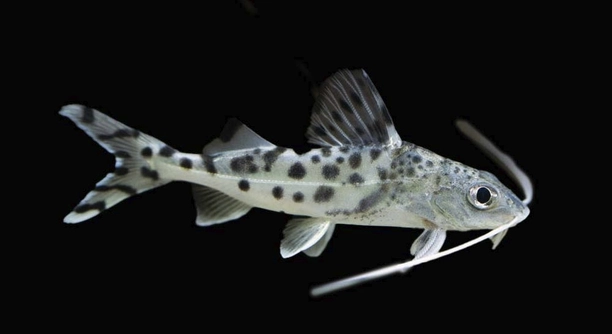
Have you ever tried introducing new fish to your aquarium, only to wonder if mixing different backgrounds could cause problems? Understanding the compatibility of wild and captive-bred pictus catfish is important for any aquarist.
Mixing wild and captive-bred pictus catfish is possible, but it requires careful planning. Differences in behavior, health, and immune response between the two can lead to stress, aggression, or illness if not introduced properly.
From understanding origin-related behaviors to managing potential health risks, knowing the key differences will help you build a safer, more stable aquarium for your pictus catfish.
Understanding the Differences Between Wild and Captive-Bred Pictus
Wild pictus catfish are often more skittish and aggressive due to their need to survive in unpredictable environments. They tend to be more sensitive to changes in water quality and less tolerant of handling or confinement. Captive-bred pictus, on the other hand, are usually more adaptable. They’re raised in controlled conditions and often show calmer behavior. Mixing them in the same tank can be tricky because their instincts, tolerance levels, and health profiles vary. When introduced without care, stress can build quickly, leading to aggression, illness, or isolation. Quarantining new fish is always a good idea, but it’s even more important when combining fish from different sources. This gives you a chance to observe them, treat any health concerns, and help them adjust gradually to shared conditions. While wild fish may show more intense natural behaviors, captive-bred ones tend to thrive more consistently in home aquariums.
Keep in mind that wild fish might carry parasites or bacteria that captive fish aren’t prepared for, which can cause problems in a shared tank.
For better chances of success, always introduce the fish slowly and monitor their interactions. Provide plenty of hiding spots and break up the line of sight in the tank using plants or decorations.
Signs of Trouble and How to Handle It
Aggressive chasing, hiding for long periods, or sudden changes in eating habits are all signs that the mix isn’t working well.
Behavioral issues often show up early. If one fish constantly chases or nips at others, it can cause long-term stress. You may also notice one fish staying away from the group or hiding near filters and plants. Loss of appetite, rapid breathing, or clamped fins can be signs of stress or illness. In some cases, wild pictus may bully the calmer, captive-bred ones. Separating them temporarily can help determine if the issue is environmental or social. Use tank dividers or a separate quarantine tank if needed. Test water quality often, as poor conditions can make stress worse. Adding more hiding spots and keeping the tank dimly lit can also reduce tension. Feed small amounts multiple times a day to limit food competition. If aggression doesn’t settle within a few weeks, it may be best to house them separately to avoid long-term harm.
Managing Tank Setup for Mixed Pictus
Use a tank that’s at least 55 gallons to reduce territory disputes. A larger space helps both wild and captive-bred pictus feel secure and prevents constant interaction that can lead to stress or aggression.
Add plenty of hiding spots using driftwood, rocks, and live plants. This helps each fish establish its own space and lowers the chances of conflict. A soft, sandy substrate is ideal to protect their barbels. Keep the tank dimly lit to mimic their natural environment. Make sure to use a tight-fitting lid, as pictus catfish are known jumpers. Maintain stable water conditions—aim for a temperature between 75–81°F, with a pH around 6.5–7.5. Use a strong filter to keep the water clean but reduce the flow if possible, as wild fish may be more sensitive to strong currents.
Introduce fish gradually. Let new arrivals settle in a quarantine tank for a few weeks before moving them in.
When adding them to the main tank, turn off the lights and rearrange the decorations. This removes established territories and lowers stress. Observe closely during the first few days. If things seem tense, be ready to separate them. Monitor feeding behavior and physical signs like torn fins or loss of color. Early action makes a big difference.
Feeding Considerations for Mixed Groups
Both wild and captive-bred pictus catfish are omnivores, but their feeding habits might differ. Wild ones may take longer to accept commercial foods, so patience is needed when transitioning them.
Start with a mix of live or frozen foods like bloodworms, daphnia, or brine shrimp. These are more familiar to wild-caught fish and encourage natural feeding behavior. Gradually introduce high-quality sinking pellets or wafers once they start eating regularly. Captive-bred pictus usually adjust faster to pellets and flakes, so they might outcompete wild fish for food. To manage this, feed small portions in different tank areas. This ensures all fish get enough without unnecessary aggression. Feed once or twice a day, but keep portions reasonable to avoid water quality issues. Remove uneaten food quickly. Consistent feeding and a calm environment help wild fish feel secure and more open to new foods over time.
Monitoring Long-Term Behavior
Check for subtle signs like reduced activity, torn fins, or constant hiding. These may suggest ongoing stress or bullying. Even if things seem calm at first, problems can still develop weeks later.
Use a feeding schedule and log any behavior changes. Watch how they interact during feeding and around shelter spaces.
Health Concerns to Watch For
Wild-caught pictus are more likely to carry internal parasites or bacterial infections. Before introducing them to a mixed tank, a proper quarantine period is necessary. Use this time to treat for common issues like ich, fin rot, or internal worms. Observe stool consistency, swimming patterns, and appetite. Captive-bred fish might be less resistant to infections carried by wild fish. Keeping water clean and stable will lower the risk of outbreaks. Always quarantine new arrivals for at least two weeks, even if they appear healthy. If symptoms show up in the main tank, isolate affected fish quickly and treat the entire system if needed.
Final Thoughts on Compatibility
Mixing wild and captive-bred pictus catfish is possible with patience, close monitoring, and the right setup. With care, they can live together peacefully in a well-maintained tank.
FAQ
Can wild and captive-bred pictus catfish interbreed?
Yes, wild and captive-bred pictus can interbreed since they are the same species. However, the offspring may show varied traits depending on the parents’ genetics. Breeding in a mixed group can be unpredictable, and offspring from wild parents might be hardier but more aggressive.
How long should I quarantine wild pictus before adding them to my tank?
A quarantine period of at least two to four weeks is recommended. This helps identify and treat any parasites, infections, or illnesses. During quarantine, maintain stable water conditions and observe their eating habits and behavior closely.
Will mixing wild and captive-bred pictus increase aggression in the tank?
It can. Wild pictus tend to be more territorial and skittish, which may lead to aggression toward calmer captive-bred fish. Proper tank size, plenty of hiding places, and gradual introductions can reduce aggressive behavior.
What water parameters suit both wild and captive-bred pictus?
Both types prefer temperatures between 75°F and 81°F, a pH of 6.5 to 7.5, and moderate water hardness. Maintaining clean water with low nitrate levels is essential to keep both healthy.
Are wild pictus more difficult to care for than captive-bred ones?
Yes, wild pictus are usually more sensitive to water changes and stress. They need a stable environment and may be less tolerant of handling. Captive-bred pictus are generally more adaptable to aquarium life.
Can I use the same diet for both wild and captive-bred pictus?
Initially, wild pictus may prefer live or frozen foods like bloodworms or brine shrimp. Captive-bred fish often accept pellets or flakes more readily. Over time, wild fish can adapt to commercial diets, but a varied diet is best for all.
How do I know if my wild pictus is stressed?
Signs include hiding constantly, loss of appetite, rapid gill movement, or rubbing against tank surfaces. Stress weakens their immune system and increases risk of disease.
What should I do if aggression becomes a problem?
Separate aggressive individuals using tank dividers or move them to another tank temporarily. Increase hiding spots and rearrange decorations to break up territories. Monitor water quality closely and consider reducing the number of fish if necessary.
Are there special treatments needed for wild pictus?
Wild pictus might require antiparasitic or antibacterial treatments during quarantine. Use mild medications and avoid overdosing. Always follow instructions carefully to avoid harming the fish.
Can mixed pictus tanks breed successfully?
Yes, but breeding behavior can be affected by stress or aggression. Providing a calm environment with suitable spawning sites increases success. Keep in mind that offspring may differ in behavior and appearance depending on parents.
How often should I test water when keeping mixed pictus?
Testing once a week is ideal, especially for ammonia, nitrite, nitrate, and pH. Frequent checks help catch problems early, which is important when mixing wild and captive fish with different sensitivities.
Is it okay to keep other fish species with mixed pictus?
Yes, but choose peaceful tankmates that thrive in similar water conditions. Avoid aggressive or territorial fish that might add stress. Always research compatibility before adding new species.
How do I prevent disease spread in a mixed tank?
Good quarantine practices, regular water changes, and proper filtration are key. Avoid overcrowding and remove sick fish promptly. Keeping stress low helps maintain strong immune systems.
What are the common diseases in wild pictus?
Common issues include ich, fin rot, and internal parasites. Early detection and treatment during quarantine reduce the risk of outbreaks in the main tank.
Is it necessary to treat captive-bred pictus before mixing?
Generally, captive-bred fish are healthier, but quarantine is still recommended to prevent introducing disease. Observing them for any signs of illness before mixing is a good practice.
How can I encourage peaceful coexistence in the tank?
Provide ample hiding spots, maintain good water quality, and feed multiple times a day in different locations. Keeping stress low and observing fish behavior regularly helps keep harmony.
What tank size is best for a mixed group of pictus?
A tank of at least 55 gallons is recommended. Larger tanks reduce territorial conflicts and give fish space to avoid each other when needed.
How long does it take for wild pictus to adapt to captivity?
It varies, but wild pictus may take several weeks to a few months to fully settle and accept captive conditions. Patience and gentle care help the transition.
Can stress cause pictus catfish to lose color?
Yes, stress can dull their colors. Healthy, relaxed fish show brighter markings, while stressed fish appear faded or pale.
What signs show that wild and captive pictus are getting along?
Calm swimming, shared hiding spots, and peaceful feeding without chasing are good indicators. Fish should show normal appetite and regular activity throughout the day.
Is breeding mixed pictus harder than breeding captive-bred only?
It can be more challenging because wild fish may have different breeding triggers or behaviors. Stress and aggression also make breeding less likely without proper conditions.
This FAQ should help guide care and decisions when mixing wild and captive-bred pictus catfish in your aquarium.
Mixing wild and captive-bred pictus catfish can work well, but it requires careful attention and effort. These fish come from different backgrounds, which means their behavior, health, and needs may vary. Wild pictus tend to be more cautious, sensitive, and sometimes more aggressive because of their natural environment. Captive-bred pictus are usually calmer and more used to aquarium life. When kept together, they might react differently to changes in water quality, tank mates, or feeding routines. This makes it important to prepare the tank properly and watch their behavior closely. A well-planned setup with enough space and hiding spots helps reduce conflicts and stress.
Health is another key concern. Wild fish can carry parasites or infections that captive-bred fish may not be able to handle. Quarantining new fish before adding them to the main tank is crucial. This helps protect all the fish and allows for treatment if needed. Keeping water clean and stable also supports good health for both wild and captive pictus. Feeding requires patience too, especially for wild fish. They might need time to accept pellet food and often prefer live or frozen foods at first. Feeding in multiple spots and small amounts reduces competition and stress during mealtime.
Overall, mixing wild and captive-bred pictus catfish is not impossible, but it does take some work. Success depends on a large enough tank, a proper quarantine process, balanced feeding, and close observation of fish behavior. If aggression or illness occurs, separating fish might be necessary to protect their well-being. With the right care, these fish can coexist peacefully and add diversity to your aquarium. Taking time to understand their differences and meeting their specific needs will help create a healthy, stable environment for all your pictus catfish.

Hello,
If you enjoy the content that we create, please consider saying a "Thank You!" by leaving a tip.
Every little bit helps us continue crafting quality advice that supports the health, happiness, and well-being of pets around the world, for pets of all shapes, sizes, and species.
We really appreciate the kindness and support that you show us!