
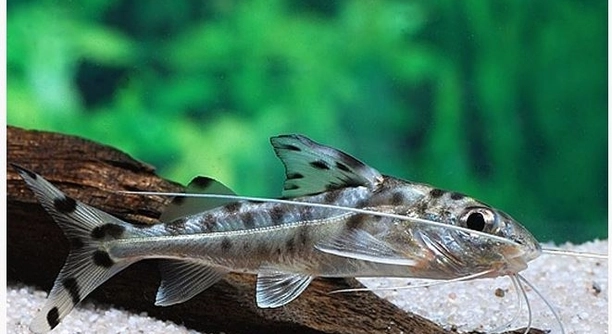
Have you ever found yourself needing to move your pictus catfish but worried about causing it too much stress in the process?
The best way to transport a pictus catfish without stress is by using a secure, well-oxygenated container and maintaining stable water conditions. Limiting light and movement helps reduce anxiety and keeps the fish calm.
Learning how to manage this process with care can make a big difference in your fish’s overall health and behavior after the move.
Choosing the Right Container for Transport
When getting ready to move your pictus catfish, the container you choose matters a lot. A clean, sturdy plastic container with a secure lid is one of the safest options. Make sure it is free of any chemicals or residue. If you prefer using a bag, double-bag it with thick plastic and fill it with tank water, not tap. Leave enough space at the top for air, or fill it with oxygen if possible. Use soft materials or padding around the container during transport to prevent bumps and temperature swings. Stability during movement helps keep the fish calm. Avoid using nets directly unless necessary, as they may damage the fish’s delicate skin and barbels. Instead, try gently guiding the fish into a cup or scoop. Keep all supplies ready ahead of time so that the transfer is quick and smooth, reducing unnecessary stress.
Limit handling time and keep the container shaded during transport.
This part of the process sets the tone for how well your pictus catfish will settle once it returns to its tank. By using a clean, secure setup and avoiding sudden movements, you’re giving your fish the best chance to remain calm and stable. Always prioritize the fish’s comfort first.
Maintaining Water Conditions on the Move
Use tank water for transport to keep familiar conditions.
Pictus catfish are sensitive to changes in temperature, pH, and oxygen levels. Using water directly from their home tank helps reduce the chances of shock. Keep the temperature stable by wrapping the container in towels or placing it inside a small cooler. Avoid placing the container in direct sunlight or near air vents in the car. If the trip is over an hour, consider using a portable air pump or oxygen tablets to keep the water oxygenated. These small steps can keep your fish from gasping at the surface or becoming overly stressed. Before the move, test the tank water and ensure that ammonia and nitrite levels are at zero. If the trip is long, bring along extra treated water and a thermometer so you can monitor conditions. Once the move is complete, allow the fish time to adjust before reintroducing it to its tank, using proper acclimation methods.
Minimizing Stress During the Move
Keep things quiet and steady while transporting your pictus catfish. Loud sounds, sudden movements, or strong vibrations can raise stress levels. Avoid talking loudly, playing music, or shaking the container during the ride.
If possible, move the fish during calm hours of the day, such as early morning or evening. Try not to make unnecessary stops or open the container mid-trip. Covering the container with a towel helps block out light, making the fish feel more secure. Avoid using bright flashlights or peeking in often, as light and activity may cause panic. If you’re driving, place the container on a flat surface where it won’t slide. Tuck it in with soft materials to absorb shock. Keeping things calm, dark, and secure makes a noticeable difference in how the fish handles the move and recovers afterward.
Once you’ve arrived, give your fish a few minutes to settle before doing anything. Don’t open the container right away, especially if the room is brighter or louder than the transport environment. Let the fish stay in the shaded container in a quiet space. Then begin a slow acclimation to its tank water. Doing this gives the fish time to calm its breathing and adjust. Rushing this part increases risk of stress-related illness.
Acclimating Your Pictus Catfish Back to the Tank
Float the container in the tank for about 15–20 minutes. This allows the water temperatures to match gradually, which helps the fish adjust without shock. Keep the lights dim during this step to avoid overwhelming it.
After the temperature has matched, begin adding small amounts of tank water to the container every 5–10 minutes. Do this for about 30 minutes to give your pictus catfish time to adjust to pH and other water parameters. Once you’ve added a good amount—around half the container’s volume—you can gently release the fish into the tank using a cup or by tipping the container slowly. Avoid adding transport water to the tank, especially if the trip was long, to reduce the chance of contaminants. Monitor your fish closely for the first few hours. It may hide or breathe quickly at first, but this often settles as the fish adapts to its familiar environment again.
Watching for Signs of Stress
After the move, keep an eye on how your pictus catfish behaves. Signs like rapid gill movement, hiding more than usual, or unusual swimming patterns can show that it’s still stressed. Make sure the tank conditions remain steady and calm during this time.
Avoid feeding right away. Give your fish at least 24 hours before offering food. A stressed fish may not eat, and uneaten food can affect water quality. Once it seems calmer and begins exploring, you can return to its normal feeding schedule with small portions at first.
Cleaning Up After Transport
Dispose of the transport water properly—never pour it into the tank. If you used bags or containers, rinse them out and clean with hot water only (no soap). Wash your hands before touching anything in or around the tank. This helps keep the environment safe and prevents introducing unwanted bacteria or chemicals.
When to Ask for Help
If your pictus catfish doesn’t return to normal behavior within a couple of days, or shows signs like white spots, bloating, or torn fins, consider reaching out to a vet with aquatic experience. Early support can help prevent serious problems and get your fish back to full health.
FAQ
Can I transport my pictus catfish in a plastic bag like pet stores do?
Yes, you can, but it has to be done carefully. Use thick, leak-proof plastic bags, and double-bag them for extra security. Fill one-third of the bag with water from the tank and the rest with air or pure oxygen if possible. Tie it tightly and keep it upright in a small box or cooler. Make sure the bag is padded and doesn’t shift during the ride. Avoid keeping the fish in the bag for too long—ideally under two hours unless the bag is filled with oxygen and kept at a stable temperature.
How long can a pictus catfish stay in a transport container?
A pictus catfish can usually stay in a transport container for up to 3–4 hours if the water is clean, well-oxygenated, and the temperature remains steady. If you’re using a battery-powered air pump or oxygen tablets, it can last longer. Try not to stretch the time beyond 6 hours. After that, waste builds up and oxygen levels drop, both of which increase stress and can cause health issues. If the trip is expected to be long, consider using a portable tank setup with filtration and heating to keep conditions safe.
Should I feed my pictus catfish before moving it?
No, it’s better not to feed your pictus catfish 24 hours before transport. A full stomach increases waste production, which can pollute the water during the trip. Pictus catfish can safely go without food for a day or two. Skipping the feeding helps keep the transport water cleaner and improves your fish’s overall condition during the move. Once it’s safely back in its tank and shows signs of calm behavior, you can resume feeding small amounts as usual.
What temperature should the water be during transport?
Keep the water between 74°F and 78°F (23°C to 26°C). Pictus catfish are sensitive to temperature swings. Wrap the transport container in towels or use an insulated box to help maintain warmth. Avoid placing the container near car air vents or in direct sunlight. A stable temperature keeps your fish less stressed and reduces the chance of shock. If it’s cold outside, warm up your car first before bringing the fish out. In warm weather, transport quickly and use shade to prevent overheating.
Can I use a net to move the fish into the container?
It’s not ideal, but if needed, use a soft, fine-mesh net and handle the fish gently. Pictus catfish have sharp spines near their pectoral fins, which can get stuck in nets or cause injury. A better option is to use a cup or a plastic container to guide the fish into the transport setup. This reduces physical contact and lowers the risk of damage to their skin or fins. Always make sure your hands and tools are clean and free of any chemicals before handling aquarium items.
Is it okay to transport more than one pictus catfish in the same container?
If the container is large enough and the fish are used to each other, it may be okay. But it’s usually safer to transport them separately. Pictus catfish can become agitated in tight spaces, especially under stress. Their sharp spines also pose a risk if they bump into each other. If you must transport multiple fish together, provide enough space, limit movement, and make sure the container has good oxygen flow. Separating them helps prevent injury and lowers stress.
What should I do if my pictus catfish looks pale after the move?
Pale color is often a sign of stress. Give the fish time to settle in a calm, dimly lit tank. Don’t feed right away. Check that the water temperature, pH, and ammonia levels are in a healthy range. Keep movement and noise around the tank minimal. If the color doesn’t return within 24–48 hours, test the water again and look for other signs like fast breathing or clamped fins. If symptoms continue, contact a vet or experienced aquarist.
Is it safe to use ammonia neutralizers during transport?
Yes, using ammonia neutralizers can be helpful, especially for longer trips. As your fish produces waste, ammonia levels can rise quickly in small containers. A water conditioner that neutralizes ammonia helps prevent it from harming your pictus catfish. Just make sure to use the correct dosage. It’s not a replacement for clean water or proper oxygenation, but it’s a good backup layer of safety. Always carry some with you during long moves, just in case the water starts to smell or look cloudy.
Do I need to quarantine my pictus catfish after transport?
If you’ve moved your fish between tanks in the same home and the tank is cycled and healthy, quarantine isn’t always necessary. But if the fish came from another location or you suspect it’s been exposed to poor water conditions, a short quarantine is a good idea. Keep it in a separate tank with clean water and observe it for 7–10 days. Watch for signs of illness or unusual behavior. Quarantine gives the fish time to recover in a stress-free space and protects other tankmates from possible problems.
Final Thoughts
Transporting a pictus catfish may seem like a small task, but it can have a big impact on the fish’s health. These fish are active, sensitive, and easily affected by sudden changes in their environment. Taking a few simple steps—like using the right container, keeping water conditions stable, and reducing light and movement—can help lower stress and keep your fish safe. It’s not about using expensive tools or complex methods. It’s about planning ahead, being gentle, and staying patient through the entire process. Even a short trip can be hard on your fish if it’s not handled carefully.
Giving your fish time to settle after the move is just as important as the trip itself. After reaching its tank, the pictus catfish needs a quiet, clean space to recover. Don’t rush the reintroduction. Use the floating method, add tank water slowly, and observe how it reacts. Avoid feeding right away or turning on bright lights. These small details matter more than they may seem. Fish don’t show stress in obvious ways like other pets might, but they still feel it. Watching for changes in color, breathing, or movement can tell you a lot about how they’re doing. If something doesn’t look right, it’s always better to act early.
Caring for a pictus catfish during transport is not just about getting it from one place to another. It’s about respecting the fish’s needs and creating a safe, calm experience from start to finish. By understanding the basics—such as clean water, steady temperatures, and minimal handling—you help your fish stay healthy and adjust more easily after the move. Whether you’re relocating tanks, traveling, or bringing home a new fish, the goal is to cause as little stress as possible. With preparation and attention, your pictus catfish can handle the move well and return to its normal, active behavior in no time. Keeping things simple and thoughtful makes all the difference.

Hello,
If you enjoy the content that we create, please consider saying a "Thank You!" by leaving a tip.
Every little bit helps us continue crafting quality advice that supports the health, happiness, and well-being of pets around the world, for pets of all shapes, sizes, and species.
We really appreciate the kindness and support that you show us!