
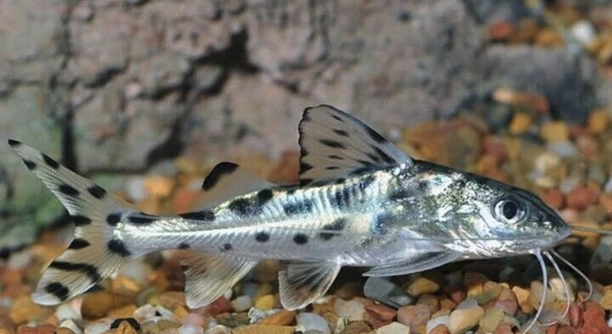
Pictus catfish are a popular choice among aquarium enthusiasts who want a lively and active fish. Their unique appearance and behavior add interesting dynamics to freshwater tanks. Many keepers appreciate how these fish interact within a community setting.
Experienced keepers prefer Pictus catfish due to their hardy nature, adaptability to various tank conditions, and their peaceful temperament that makes them suitable for community aquariums. Their scavenging habits also help maintain tank cleanliness efficiently.
Understanding what makes Pictus catfish stand out can improve how you care for them and enrich your aquarium experience. The following details explain why these fish are favored by seasoned hobbyists.
Appearance and Behavior
Pictus catfish have a striking look with their silver bodies covered in black spots and long, flowing barbels around their mouths. These barbels help them sense their environment, making them active and curious swimmers. Their playful movements make them enjoyable to watch, especially as they dart around the tank. They tend to swim in groups, which adds a lively element to the aquarium. Because of their quick movements and alert nature, they can brighten up any tank setup without being aggressive. They also prefer hiding spots and will often explore decorations or plants during the day. This behavior provides natural entertainment and helps keep the tank environment interesting.
Their spotted pattern and energetic nature make them easy to spot among other fish, contributing to the tank’s visual appeal.
The unique behavior of Pictus catfish means they need a tank with enough space and hiding places. Keeping them in groups of at least five helps reduce stress and encourages natural social behavior. These catfish are mostly active at night, but you might catch them swimming during the day. Their need for clean, well-oxygenated water means regular tank maintenance is essential. Providing a varied diet that includes sinking pellets, live, or frozen food will keep them healthy. Understanding these needs helps create a balanced environment where Pictus catfish can thrive and display their full range of behaviors.
Tank Requirements and Care
Pictus catfish need a tank that provides enough room to swim freely, ideally 30 gallons or more.
A proper setup requires clean water with good filtration and moderate current, mimicking their natural river habitat. They prefer a sandy substrate to protect their sensitive barbels. Adding plants, rocks, and driftwood gives them places to hide and explore. Water temperature should be kept between 72°F and 78°F, with pH levels around 6.5 to 7.5. Regular water changes help maintain the quality they need. Although hardy, Pictus catfish can be sensitive to sudden changes in water conditions, so gradual adjustments are best. These catfish also produce waste, so maintaining a proper cleaning schedule is necessary to prevent buildup.
Diet plays a key role in their care. They are omnivores, so feeding a mix of sinking pellets, frozen foods, and occasional live treats is ideal. Overfeeding can lead to water quality issues, so feeding small amounts twice daily is recommended. Monitoring their behavior and physical condition regularly helps catch any early signs of illness or stress. Providing the right environment and nutrition ensures these catfish remain active and healthy, making them a rewarding species for keepers with some experience.
Compatibility with Other Fish
Pictus catfish generally get along well with other peaceful fish species. They are social creatures and prefer to be kept in groups of five or more, which helps reduce stress and aggression. Avoid housing them with very small or aggressive fish to prevent conflicts.
Despite their peaceful nature, Pictus catfish can sometimes be a bit boisterous, especially during feeding time. Their active swimming and scavenging behavior may disturb slow-moving or shy fish. It’s best to choose tank mates that can handle a moderately lively environment. Bottom dwellers like Corydoras catfish often coexist well with them, as they occupy different parts of the tank. Larger, peaceful fish such as tetras, barbs, and danios also make good companions. Careful observation is necessary during the first few weeks to ensure harmony in the aquarium.
Their compatibility depends on tank size and proper hiding spots. Overcrowding or poor conditions can increase stress and cause territorial disputes. Offering plenty of decorations and plants allows Pictus catfish and their tank mates to have personal space. A well-planned community tank with these considerations leads to a peaceful and dynamic aquatic environment, making the experience more enjoyable for keepers.
Feeding and Nutrition
Feeding Pictus catfish a balanced diet is important to keep them healthy and active. They are omnivores and enjoy a variety of foods, including sinking pellets, frozen bloodworms, and brine shrimp. Fresh vegetables like blanched zucchini can be offered occasionally.
Feeding should be done twice a day in small amounts to avoid overfeeding, which can degrade water quality. Pictus catfish are bottom feeders and tend to scavenge leftover food, helping keep the tank clean. However, they still require a nutritious diet to support their energy and health. Including protein-rich foods like worms or insect larvae boosts their immune system. It’s important to remove uneaten food to maintain water quality and prevent bacterial growth.
Variety in their diet encourages natural foraging behavior and reduces boredom. Some keepers supplement their feeding with occasional live foods, which help stimulate hunting instincts. Consistency in feeding times and portion sizes contributes to stable water conditions and the catfish’s overall well-being. Monitoring their appetite can also indicate health status; a sudden loss of interest in food may signal illness or stress, requiring prompt attention.
Common Health Issues
Pictus catfish are generally hardy but can face health problems like fungal infections and parasites if tank conditions are poor. Stress from overcrowding or sudden water changes also affects their health.
Maintaining clean water and stable conditions helps prevent most illnesses. Early detection is key to effective treatment and recovery.
Breeding Pictus Catfish
Breeding Pictus catfish in home aquariums is challenging due to their specific spawning needs. They require slightly cooler water and dim lighting to encourage breeding. The female lays eggs on flat surfaces, which the male then fertilizes. Raising the fry needs separate tanks and careful feeding.
Behavior Traits
Pictus catfish are active, nocturnal swimmers. They prefer groups and show natural scavenging instincts. These traits make them lively additions to community tanks.
Tank Setup Essentials
A sandy substrate, hiding spots, and good water flow are essential. These elements mimic their natural habitat and keep them comfortable.
FAQ
How big do Pictus catfish grow?
Pictus catfish typically grow to about 4 to 5 inches in length. In well-maintained tanks, they may occasionally reach up to 6 inches. Their size means they need enough space to swim freely, so a tank smaller than 30 gallons is not ideal. Proper tank size helps prevent stress and promotes healthy growth.
Are Pictus catfish aggressive?
They are generally peaceful but can be slightly boisterous, especially during feeding. They rarely show aggression toward other fish but may chase smaller or slow-moving tank mates. Keeping them in groups helps reduce any potential territorial behavior and encourages natural social interactions.
What water conditions do Pictus catfish need?
Pictus catfish prefer temperatures between 72°F and 78°F, a pH range of 6.5 to 7.5, and moderate water hardness. Clean, well-filtered water with good oxygen levels is essential. Regular water changes help maintain stable conditions and prevent illness.
Can Pictus catfish live with small fish?
They can live with small fish, but caution is needed. Very small fish may be mistaken for food or stressed by the catfish’s active behavior. Suitable tank mates include fast, peaceful fish that occupy different tank levels, such as tetras or danios.
What do Pictus catfish eat?
Their diet includes sinking pellets, frozen or live foods like bloodworms and brine shrimp, and occasional vegetables. They are bottom feeders and will scavenge leftover food, but feeding a balanced diet is important to keep them healthy.
How often should I feed my Pictus catfish?
Feeding twice daily in small amounts is recommended. Overfeeding can lead to water quality issues. Removing uneaten food after 10-15 minutes helps prevent waste buildup and keeps the tank clean.
Do Pictus catfish need a group to thrive?
Yes, they are social fish and thrive in groups of at least five. Group living reduces stress and promotes natural behaviors like schooling and scavenging, which make them more active and comfortable in the tank.
Are Pictus catfish good for beginners?
They are better suited for keepers with some experience because they need stable water conditions and a proper tank setup. Their active nature and social needs require attention to detail in care routines.
How can I tell if my Pictus catfish is healthy?
Healthy catfish are active, have clear eyes, intact fins, and smooth skin without sores. They eat well and show normal swimming behavior. Sudden changes in behavior or appearance may indicate stress or illness.
Can Pictus catfish live with bottom dwellers?
Yes, they usually get along well with other bottom dwellers like Corydoras. They tend to share space without much conflict because they occupy slightly different niches and have compatible temperaments.
What is the lifespan of Pictus catfish?
With proper care, Pictus catfish can live 8 to 10 years. Good water quality, a balanced diet, and a peaceful tank environment contribute to their longevity.
How do I encourage breeding in Pictus catfish?
Breeding requires specific conditions such as slightly cooler water, dim lighting, and clean surfaces for egg-laying. Providing separate breeding tanks and proper food for fry increases success rates.
Can Pictus catfish jump out of the tank?
Yes, they are known to be active and can jump, especially when startled or during feeding frenzy. A secure tank lid is important to prevent escape.
What substrate is best for Pictus catfish?
A soft, sandy substrate is best. It protects their sensitive barbels from damage and allows them to forage naturally without injury.
Are Pictus catfish nocturnal?
They are mostly nocturnal but can be active during the day as well. Their peak activity is usually in the evening and night when they forage more actively.
How do I maintain water quality for Pictus catfish?
Regular water changes of 20-30% weekly, good filtration, and avoiding overfeeding help maintain water quality. Testing water parameters often is recommended to catch any issues early.
Do Pictus catfish require special lighting?
No special lighting is needed. They prefer moderate to low light, which helps reduce stress and mimics their natural shaded habitats.
Can Pictus catfish live in planted tanks?
Yes, they do well in planted tanks. Plants provide hiding spots and help improve water quality, making the environment more natural and comfortable.
What signs indicate stress in Pictus catfish?
Signs include hiding excessively, loss of appetite, rapid breathing, and unusual swimming patterns. Stress can result from poor water quality, incompatible tank mates, or sudden environmental changes.
Is it necessary to quarantine new Pictus catfish?
Quarantining new fish for at least two weeks is a good practice. It prevents introducing diseases and allows monitoring for health issues before adding them to the main tank.
This FAQ covers key points for caring for Pictus catfish and will help maintain a healthy, balanced aquarium.
Pictus catfish are a reliable choice for keepers who want an active, social fish that adds movement and interest to their aquarium. Their hardy nature and adaptability make them suitable for many freshwater setups, as long as basic care needs are met. These catfish appreciate a clean environment, proper tank mates, and a balanced diet, which helps them thrive and display their natural behaviors. When kept in groups, they show their best traits, offering a lively and dynamic presence that many find rewarding.
Care requirements for Pictus catfish are straightforward but do require attention. Maintaining stable water conditions is important since sudden changes can cause stress or health issues. Providing a tank with adequate space, a sandy substrate, and plenty of hiding places will support their comfort and reduce aggression. Feeding them a varied diet twice daily encourages natural foraging and helps keep them healthy. Observing their behavior regularly can also help catch potential problems early, making timely care possible. With these simple steps, keepers can enjoy watching their Pictus catfish stay active and vibrant.
Overall, Pictus catfish offer a balance between beauty, activity, and manageable care. They are not the easiest fish for complete beginners but are well-suited for those with some experience in aquarium keeping. Their social nature and unique appearance make them a favorite in many community tanks. Taking the time to understand their specific needs pays off with a healthy, engaging addition to the aquarium. For those willing to provide proper care and environment, Pictus catfish can be a satisfying and enjoyable species to maintain.

Hello,
If you enjoy the content that we create, please consider saying a "Thank You!" by leaving a tip.
Every little bit helps us continue crafting quality advice that supports the health, happiness, and well-being of pets around the world, for pets of all shapes, sizes, and species.
We really appreciate the kindness and support that you show us!