
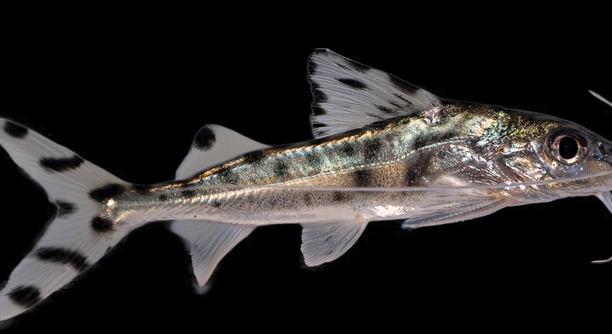
Cats are sensitive creatures, and many things in their environment can make them uneasy. Understanding what might frighten your catfish helps you create a calm and comfortable space for them. This article highlights common causes of stress for catfish.
Several factors can scare your catfish, including sudden loud noises, strong water currents, poor water quality, improper tank mates, sudden changes in lighting, lack of hiding spots, and overcrowding. Each of these stressors affects their behavior and health negatively.
Knowing these causes allows you to improve your catfish’s environment and well-being. Paying attention to their needs can help keep them calm and happy in their home.
Loud Noises and Sudden Movements
Catfish are naturally sensitive to loud sounds and quick changes in their environment. When there are sudden bangs or sharp noises near their tank, they can become stressed or frightened. This stress can cause them to hide for long periods or even refuse to eat. Even household noises like vacuum cleaners or loud conversations can disturb them. Keeping their tank in a quiet, stable area helps reduce this anxiety. It’s also important to avoid sudden movements around the tank, as catfish may see these as threats. Over time, constant exposure to noise can impact their health, so maintaining a calm atmosphere is key for their well-being.
Avoid placing the tank near doors, speakers, or busy areas in your home. Low background noise levels help your catfish feel safe and secure.
Providing a peaceful environment is one of the easiest ways to support your catfish’s comfort. A calm space reduces stress, allowing them to thrive and display natural behavior. Consistency in noise levels and avoiding sudden disturbances makes a noticeable difference.
Poor Water Quality
Poor water quality is one of the most harmful factors for catfish health. Dirty water can cause stress, illness, and even death if not addressed promptly. Waste buildup, leftover food, and harmful chemicals increase toxins like ammonia and nitrites, which damage fish gills and skin. Regular water changes and good filtration keep the tank clean and stable. Testing water parameters such as pH, ammonia, nitrite, and nitrate levels ensures they stay within safe ranges. Sudden shifts in water temperature or chemistry can shock catfish, leading to stress and vulnerability to diseases. A balanced, clean environment supports healthy breathing and normal behavior. Monitoring water quality is essential for long-term care, helping you catch problems early before they become serious.
Keeping the tank clean and maintaining stable water conditions is vital for your catfish’s health. Consistent care prevents many common issues. A well-filtered tank with regular water changes mimics their natural habitat, giving them the best chance to flourish. Avoid overfeeding and remove uneaten food to reduce waste buildup. Using water conditioners can neutralize harmful substances in tap water. Paying attention to water quality not only improves your catfish’s mood but also enhances their lifespan. Small, regular efforts go a long way toward a safe and happy home for your aquatic pet.
Strong Water Currents
Strong water currents can stress catfish because they prefer calmer waters. Too much flow makes it hard for them to swim and rest comfortably. It can tire them out and cause anxiety.
When currents are too strong, catfish struggle to maintain their position and may get pushed around the tank. This constant effort can lead to exhaustion and stress-related health issues. Catfish typically like to hide or stay near the bottom, where the water is calmer. If your filter or pump creates powerful currents, consider adjusting the flow or adding decorations that break the water movement. Providing areas with gentle water flow helps your catfish feel secure and relaxed.
Creating calm zones with plants, rocks, or driftwood allows catfish to escape strong currents. This setup mimics their natural habitat and encourages natural behaviors. Reducing current strength can improve their appetite and overall well-being.
Improper Tank Mates
Having the wrong tank mates can scare or stress your catfish. Aggressive or fast fish may bully them, while overly shy species might compete for hiding spots.
Choosing compatible tank mates is important because catfish vary in size and temperament. Aggressive fish can chase or nip at catfish, causing fear and injury. On the other hand, overly timid fish may hide constantly, making the tank stressful for all inhabitants. Catfish generally do well with peaceful, slow-moving fish that share similar environmental needs. Avoid mixing species that require very different water conditions or diets. Observing interactions regularly helps identify problems early. If aggression or stress appears, separating the fish or changing the setup may be necessary to maintain harmony.
Selecting tank mates that match your catfish’s temperament and size promotes a calm, balanced environment. This reduces stress and encourages natural, healthy behaviors.
Sudden Changes in Lighting
Sudden changes in lighting can startle catfish and make them nervous. Bright lights turned on or off quickly disrupt their sense of safety.
Catfish prefer dim or natural lighting, as it mimics their usual environment. Abrupt shifts can cause stress and hiding behavior. Using a timer or slowly adjusting lights helps them adapt comfortably.
Lack of Hiding Spots
Catfish need places to hide and feel secure. Without enough shelter, they become exposed and stressed.
Providing caves, plants, or decorations gives catfish safe spaces. This lowers anxiety and encourages natural behavior, making them feel more at home.
Overcrowding
Too many fish in one tank causes stress for catfish. Overcrowding leads to competition for food, space, and oxygen, increasing anxiety and aggression.
What are the most common signs that my catfish is scared?
When catfish feel scared, they often hide more than usual or stay very still in one spot. They may also refuse to eat or swim erratically. Sometimes, scared catfish show rapid gill movement or try to escape the tank. Watching for these behaviors helps you spot stress early and take action to improve their comfort.
How can I reduce stress caused by loud noises around the tank?
Place the tank in a quiet area away from busy rooms or appliances that create sudden sounds. Adding a sturdy stand can help absorb vibrations, and using a tank cover can lessen noise exposure. Keeping household noise low near the aquarium reduces disturbances that upset your catfish.
Is it necessary to adjust the water current for all catfish species?
Not all catfish need the same water flow, but most prefer gentle currents. Research your specific species to understand its natural habitat. If your catfish seems tired or hides constantly, reducing strong currents and creating calm zones in the tank can help them relax and swim easily.
What types of tank mates are best for catfish?
Peaceful, similarly sized fish that share the same water conditions work best as tank mates. Avoid aggressive or very active fish that may chase or stress your catfish. Bottom dwellers or mid-level swimmers who don’t compete aggressively for food usually coexist well with catfish.
How often should I clean the tank to keep water quality safe?
Perform partial water changes of about 20-30% weekly to maintain clean water. Use a good filtration system and test water regularly for ammonia, nitrites, and nitrates. Cleaning the substrate and removing leftover food helps prevent harmful buildup that stresses your catfish.
Why do sudden lighting changes upset catfish?
Catfish are used to dim, steady light in their natural habitats. Sudden bright lights or flickering can frighten them and disrupt their rest. Gradually adjusting lighting or using a timer creates a stable day-night cycle that keeps catfish calm and healthy.
What kinds of hiding spots should I provide?
Use caves, driftwood, plants, or PVC tubes as hiding places. These offer security and reduce stress. Natural-looking shelters mimic their environment and encourage normal behavior, making your catfish feel safe and less exposed.
Can overcrowding affect my catfish’s health?
Yes, overcrowding increases competition for food and oxygen, raising stress and aggression. It can also lead to poor water quality. Make sure your tank size fits the number of fish and provides enough space for each to thrive peacefully.
How can I tell if my catfish’s behavior is due to fear or illness?
Fear usually causes hiding, erratic swimming, or quick reactions to surroundings. Illness might show as lethargy, visible spots or wounds, gasping for air, or loss of appetite. Monitoring behavior closely and checking water quality helps distinguish between stress and sickness.
What immediate steps should I take if my catfish seems scared?
Reduce noise and sudden movements near the tank. Check water quality and make sure conditions are stable. Add or improve hiding spots and adjust water flow if needed. Observing your catfish calmly will help you understand what changes make it more comfortable.
Is it normal for catfish to hide for long periods?
It depends on the species and environment. Some catfish are naturally shy and enjoy hiding, especially during the day. However, excessive hiding combined with lack of eating or movement can indicate stress or poor conditions. Providing enough shelter while ensuring good tank health supports healthy behavior.
Does feeding routine affect catfish stress levels?
Yes, irregular feeding or overfeeding can cause stress. Overfeeding leads to waste buildup and poor water quality, while inconsistent feeding makes catfish anxious. Feeding a balanced diet on a regular schedule helps keep them healthy and calm.
Are there any decorations I should avoid for catfish tanks?
Avoid sharp or rough decorations that can injure catfish’s sensitive skin and barbels. Also, steer clear of materials that may leach harmful chemicals. Opt for smooth, natural decorations like driftwood or smooth rocks that provide safe hiding places without risks.
Can I use a dim night light to comfort my catfish?
A soft night light can help catfish feel secure without disturbing their rest. It simulates moonlight or gentle natural conditions. Avoid bright or flashing lights at night, as these can increase stress.
How important is consistency in tank maintenance?
Very important. Sudden changes in water parameters, lighting, or cleaning routines can stress catfish. Keeping a steady schedule for water changes, feeding, and environment checks creates a stable habitat where your catfish can thrive with less fear.
Creating a peaceful environment for your catfish is key to keeping them healthy and happy. Catfish are sensitive creatures that can get scared easily by things in their surroundings. From loud noises to strong water currents, many factors can cause them stress. By paying attention to these details, you can help reduce their fear and make their tank a safe place. Simple changes, like adding hiding spots or lowering noise levels, can have a big impact on how comfortable your catfish feels.
Maintaining good water quality is one of the most important steps in caring for catfish. Dirty or unbalanced water not only frightens them but also harms their health. Regular water changes, proper filtration, and checking water parameters keep their home clean and stable. This allows your catfish to breathe better and behave naturally. Along with stable water conditions, choosing the right tank mates is essential. Aggressive or fast fish can scare catfish, so picking peaceful companions will create a calmer tank environment for everyone.
Watching your catfish’s behavior helps you understand how they are feeling. If they hide often, swim erratically, or avoid food, these may be signs of stress or fear. Making sure the tank lighting is gentle and stable, the water current is not too strong, and the space is not overcrowded also plays a big role. Small adjustments and regular care make a huge difference in preventing fear and keeping your catfish healthy. Overall, a thoughtful and steady approach to their needs will help your catfish thrive and live a peaceful life.

Hello,
If you enjoy the content that we create, please consider saying a "Thank You!" by leaving a tip.
Every little bit helps us continue crafting quality advice that supports the health, happiness, and well-being of pets around the world, for pets of all shapes, sizes, and species.
We really appreciate the kindness and support that you show us!