
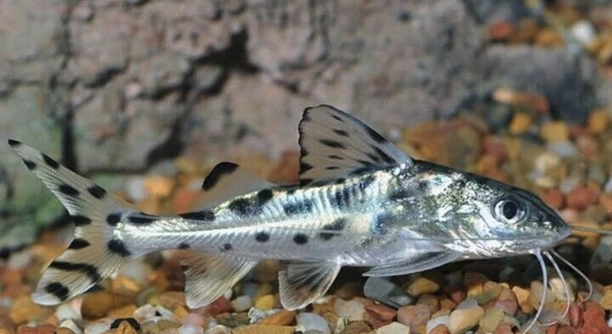
Many fish keepers enjoy caring for Pictus catfish because of their active nature and peaceful temperament. These small, striped fish need clean water and a suitable environment to thrive. Proper filtration plays an important role in their well-being.
Sponge filters are safe and effective for use with Pictus catfish. They provide gentle filtration without creating strong currents, which suits the catfish’s preference for calmer waters. Additionally, sponge filters promote beneficial bacteria growth, supporting a healthy tank environment.
Knowing how to choose and maintain the right filter will help keep your Pictus catfish healthy and happy. This article explains why sponge filters are a great match for these fish.
Why Sponge Filters Work Well for Pictus Catfish
Sponge filters are gentle and simple devices that provide both mechanical and biological filtration. For Pictus catfish, which prefer calm waters, these filters do not create strong currents that might stress them. The sponge traps debris and particles while beneficial bacteria grow on its surface, breaking down harmful ammonia and nitrites. This dual action helps keep the water clean and safe for the fish. Sponge filters are also air-driven, which means they add oxygen to the water without pushing it too hard. This suits the Pictus catfish’s natural habitat, which often has slow-moving or still water. Additionally, sponge filters are quiet and easy to maintain, making them a convenient choice for most tank owners. Regular cleaning of the sponge keeps the filter working efficiently without disturbing the bacterial colonies too much. Overall, sponge filters balance effective filtration with the gentle environment that Pictus catfish need.
Sponge filters also provide a safe space for baby fish and shrimp, reducing the risk of getting sucked into strong filters.
Understanding these benefits makes it easier to care for Pictus catfish with confidence, ensuring their tank stays healthy and peaceful.
Setting Up a Sponge Filter for Your Tank
Choosing the right size sponge filter is important for your tank’s volume. A filter too small won’t handle the waste well, while one too large might create unnecessary water movement.
After selecting the proper sponge filter, install it so the air stone or pump is secure. Make sure the sponge is fully submerged and positioned where the Pictus catfish can swim comfortably without fighting strong currents. Test the airflow to keep bubbles steady but gentle. Over time, clean the sponge by rinsing it in tank water during water changes, preserving beneficial bacteria. Avoid using tap water, which can kill the helpful bacteria living on the sponge. Keep an eye on water parameters regularly, as sponge filters support but don’t replace routine tank maintenance. With careful setup and upkeep, your sponge filter will maintain good water quality while keeping your Pictus catfish happy.
Common Concerns About Using Sponge Filters
Some worry that sponge filters won’t provide enough filtration for Pictus catfish tanks. While sponge filters work well biologically, they can require more frequent cleaning if the tank is heavily stocked or fed.
Sponge filters offer gentle water flow, which suits Pictus catfish, but they might not be enough alone for larger tanks. In such cases, combining a sponge filter with a small hang-on-back filter can improve overall filtration. This setup ensures water stays clear and free from toxins while keeping currents mild.
Also, sponge filters don’t remove debris as quickly as power filters, so regular vacuuming of the substrate is important. Maintaining good tank hygiene and monitoring water quality will keep your catfish comfortable and healthy.
How to Maintain Your Sponge Filter
Cleaning your sponge filter regularly is key to keeping it efficient. Rinse the sponge in tank water every two to four weeks to remove trapped debris without harming beneficial bacteria.
If the sponge gets too dirty, it can reduce water flow and filtration efficiency. Avoid using tap water for cleaning, as chlorine and chemicals can kill helpful bacteria living in the sponge. Instead, use water from the tank during water changes.
Keep an eye on airflow to ensure the filter is working properly. Replace the sponge only when it starts to fall apart, which usually takes several months. Proper maintenance will extend your filter’s life and support a healthy environment for your Pictus catfish.
Sponge Filters and Water Flow Control
Sponge filters provide gentle water flow, which matches the needs of Pictus catfish. Strong currents can stress these fish, so the soft movement helps them feel comfortable and safe in their environment.
Adjusting the air pump’s power can control the flow rate. This lets you create the perfect balance of water movement for your tank.
Combining Sponge Filters with Other Filters
In larger tanks or heavily stocked setups, using a sponge filter alone might not be enough. Combining it with a hang-on-back or canister filter improves filtration without creating strong currents. This combination ensures cleaner water and a healthier habitat for Pictus catfish.
Choosing the Right Sponge Filter Size
Choosing a sponge filter that matches your tank size is essential. Filters too small won’t handle waste well, while filters too big can be wasteful and take up unnecessary space.
Signs Your Sponge Filter Needs Attention
If water flow decreases or the sponge looks clogged, it’s time to clean it. Proper care keeps the filter working well and your fish healthy.
FAQ
Can sponge filters handle the waste produced by Pictus catfish?
Yes, sponge filters can manage the waste of Pictus catfish, especially in tanks with moderate stocking levels. The sponge traps debris while beneficial bacteria break down harmful substances like ammonia and nitrites. However, if the tank is overcrowded or feeding is excessive, sponge filters alone might struggle to keep the water clear. In such cases, additional filtration or more frequent maintenance is needed to maintain water quality.
Are sponge filters noisy?
Sponge filters are generally very quiet compared to other filter types. Since they use an air pump to push bubbles through the sponge, the sound is usually just a gentle bubbling. This minimal noise helps create a peaceful environment for both the fish and the owner. Ensuring the air pump is properly maintained and placed on a soft surface can further reduce any noise.
Will sponge filters create strong currents in the tank?
No, sponge filters create a gentle flow that is ideal for Pictus catfish. These fish prefer calmer waters, and the soft water movement from sponge filters helps prevent stress and injury. You can adjust the airflow to increase or decrease water movement, allowing you to customize the environment for your catfish’s comfort.
How often should I clean my sponge filter?
Cleaning every two to four weeks is usually sufficient, depending on tank conditions. Rinse the sponge in tank water to remove debris but avoid using tap water, which can kill beneficial bacteria. Over-cleaning can harm the bacterial colonies essential for biological filtration, so cleaning only when necessary is best.
Can sponge filters be used with other fish or shrimp?
Yes, sponge filters are great for tanks with small or delicate species like shrimp and fry. The gentle suction prevents tiny creatures from being pulled into the filter, offering safety and suitable filtration. This makes sponge filters versatile for mixed-species tanks.
How long do sponge filters last?
With proper care, sponge filters can last for several years. The sponge material may degrade over time, so replacing it every 6 to 12 months is common. Air pumps and tubing also need occasional maintenance or replacement to keep the system working efficiently.
Is it necessary to use an air pump with a sponge filter?
Yes, sponge filters rely on an air pump to push water through the sponge for filtration. The pump creates bubbles that draw water in, trapping debris and providing oxygenation. Choosing a reliable air pump and maintaining it well ensures the sponge filter performs effectively.
Can sponge filters cause cloudy water?
Sometimes, after cleaning or setting up a sponge filter, the water may become cloudy. This usually clears up within a day or two as the beneficial bacteria re-establish. Persistent cloudiness can indicate overfeeding, poor maintenance, or an inadequate filtration setup, which should be addressed promptly.
Are sponge filters suitable for all tank sizes?
Sponge filters work best in small to medium-sized tanks or as supplementary filters in larger tanks. For very large or heavily stocked tanks, relying solely on a sponge filter may not provide enough filtration. Combining sponge filters with other types can create a balanced system suited to the tank’s needs.
What should I do if my sponge filter stops working?
First, check the air pump and tubing for blockages or damage. Clean the sponge gently to restore water flow. If problems persist, test the air pump’s function or consider replacing worn parts. Keeping up with regular maintenance prevents most issues and ensures reliable filtration.
Sponge filters are a solid choice for tanks with Pictus catfish because they offer gentle, effective filtration. These catfish prefer calm water with low currents, and sponge filters create just the right environment by providing a soft flow. The sponge itself traps debris while helpful bacteria grow on it to break down harmful substances. This combination helps keep the water clean and safe for your fish. Since Pictus catfish are sensitive to water quality, using a sponge filter can make a noticeable difference in their health and behavior. It keeps the tank stable and reduces stress, which is important for their well-being.
Maintaining a sponge filter is simple and doesn’t require much effort, but it does need regular attention. Cleaning the sponge every few weeks using tank water helps remove trapped dirt without killing beneficial bacteria. This keeps the filter working properly and avoids sudden drops in water quality. It’s important to avoid harsh cleaning or using tap water, as that can harm the bacteria needed for biological filtration. With basic care, a sponge filter can last a long time, supporting a healthy tank environment. Remember to also keep an eye on the air pump and tubing, as they help the filter run smoothly.
In some cases, a sponge filter alone might not be enough, especially in larger or heavily stocked tanks. In those situations, combining a sponge filter with another type of filter can improve water clarity and quality while still providing a gentle flow. This approach helps balance filtration needs without stressing your Pictus catfish. Overall, sponge filters offer an easy and effective way to care for these fish, supporting their natural preferences and health. Taking the time to set up and maintain a sponge filter properly will pay off with a thriving, peaceful aquarium.

Hello,
If you enjoy the content that we create, please consider saying a "Thank You!" by leaving a tip.
Every little bit helps us continue crafting quality advice that supports the health, happiness, and well-being of pets around the world, for pets of all shapes, sizes, and species.
We really appreciate the kindness and support that you show us!