
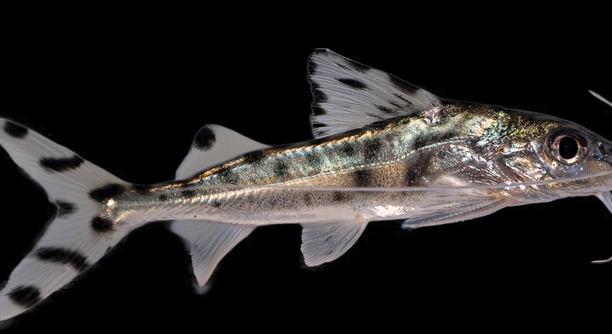
Are your Pictus catfish acting differently during feeding time, leaving you unsure whether their habits are normal or something to worry about?
Certain feeding behaviors in Pictus catfish may signal underlying health issues or environmental stress. Observing their eating habits closely can help identify problems early and support a healthier, more balanced aquatic environment.
Learning which habits are harmless and which ones could mean trouble will help you keep your Pictus safe, healthy, and thriving in the long run.
Refusing to Eat Altogether
When a Pictus catfish refuses food, it often points to a deeper issue. These fish are naturally active and curious feeders, so skipping meals isn’t typical behavior. It could mean stress, illness, poor water conditions, or even internal parasites. Check the tank setup first. Low oxygen, high nitrates, or a change in temperature can throw them off. Also, take note if other fish are being aggressive—Pictus are shy and may avoid food if they feel threatened. If everything seems fine in the tank, it may be time to consider health problems. Look for signs like sluggish movement, discoloration, or weight loss. Sometimes, they might just be picky, especially if offered the same food all the time. A varied diet is best. Offer sinking pellets, frozen bloodworms, or brine shrimp to see what works. If they still ignore food after a couple of days, it’s worth consulting with a vet.
A healthy Pictus should be eager during feeding time, zipping around the tank looking for food at the bottom.
Consistency matters. If they go more than two or three days without eating, they may begin to weaken, making recovery harder. Taking quick action when you spot a change makes a big difference.
Eating Too Fast
Overeating can stress their digestive system and create waste issues in your tank. Pictus catfish don’t always know when to stop, especially if they feel competition.
Feeding in small amounts, two or three times a day, helps slow them down and prevents bloating. Using sinking food spread out across the tank can also help. That way, the Pictus won’t feel pressured to grab everything at once. It’s easy to overfeed when trying to keep everyone happy, especially in a mixed community tank. Uneaten food turns into waste quickly and can lead to spikes in ammonia or nitrate, which harm sensitive fish. Keep an eye on their bellies—if they start looking swollen or have trouble swimming, it could mean they’re eating too fast or too much. Try to rotate food types. Use high-protein pellets, but also include occasional frozen or live treats. Keeping a balance makes a difference in both their digestion and tank cleanliness.
Spitting Out Food Repeatedly
If your Pictus keeps spitting out food, it could be a sign the food is too big, too hard, or simply not appealing. It might also mean there’s an issue with water quality affecting their appetite.
Sometimes Pictus will grab food and spit it out a few times before finally eating it. This can be normal when they’re trying new food or adjusting to a different texture. But if it happens consistently, the food may be too large or difficult to break down. Try switching to smaller pellets or softer options like soaked flakes or frozen foods. Water parameters also play a role—elevated ammonia or a drop in pH can cause discomfort while eating. Check those levels if you see this behavior often. Also, inspect their mouths for injury or signs of infection, especially if they seem to struggle while chewing or show less energy during feeding time.
If the behavior continues even after switching food types, you may be dealing with an internal problem. Intestinal parasites or bacterial infections can sometimes make swallowing painful. Watch for weight loss, unusual waste, or changes in swimming behavior. These symptoms often go hand in hand with eating issues. If unsure, it’s best to consult with a vet who specializes in fish. Treating early gives your Pictus a better chance at recovering. Try isolating the fish during feeding to monitor exactly how it reacts and whether it’s getting enough nutrition. A temporary hospital tank can help during treatment.
Only Eating at Night
Pictus catfish are naturally nocturnal, so eating mostly at night is expected. However, if they completely avoid food during the day, it could be a sign they feel unsafe or overly stressed by light or tankmates.
Try dimming the lights during feeding or offering food just before lights go off. This can help them feel more secure and encourage natural feeding behavior. Also, make sure hiding spots are available so they don’t feel exposed during feeding hours.
Ignoring Certain Food Types
Some Pictus will completely ignore certain foods, especially if they’re used to one type. It’s common with flakes or low-quality pellets. Fish can grow picky when they’re bored or when food lacks enough nutrients. Try rotating different options like bloodworms, shrimp, or sinking pellets to find what works. If they keep avoiding all options, it may mean something’s off in the water or they’re not feeling well. Make sure to keep the tank clean and stable. Variety usually brings better results than just sticking to one food every time.
Eating Tankmates’ Food
If your Pictus constantly eats food meant for other fish, try feeding at opposite ends of the tank. This helps everyone get their share without conflict.
Why does my Pictus catfish refuse to eat sometimes?
Pictus catfish may refuse food due to stress, illness, or poor water conditions. They are sensitive fish, and changes in tank temperature, pH, or high ammonia levels can affect their appetite. Additionally, if tankmates are aggressive or the environment feels unsafe, they might avoid feeding. Sometimes, illness such as parasites or infections also causes a loss of appetite. Monitoring water quality and observing their behavior closely can help identify the cause. Offering a variety of foods and ensuring a calm tank environment can encourage them to eat again. If refusal lasts more than a few days, veterinary advice might be necessary.
How can I prevent my Pictus from overeating?
To prevent overeating, feed your Pictus small portions two to three times a day rather than one large meal. Use sinking pellets and spread the food around the tank to avoid competition and stress. Overfeeding can cause digestive problems and dirty water, so watch their bellies for swelling and adjust portions accordingly. Keeping a balanced diet with occasional treats also helps regulate their intake. Avoid feeding human food or too many live foods, which can upset their system. Regular water changes reduce the buildup of waste caused by leftover food.
What should I do if my Pictus spits out food repeatedly?
Repeatedly spitting out food can mean the food size or texture is unsuitable. Try offering smaller or softer foods like soaked pellets or frozen bloodworms. Check the water quality since poor conditions may make eating uncomfortable. Inspect their mouths for injury or infection. If spitting continues, it may indicate internal issues like parasites or bacteria. Watch for other symptoms such as weight loss or abnormal swimming. Isolating the fish and consulting a vet can help diagnose and treat the problem.
Is it normal for Pictus catfish to eat only at night?
Yes, Pictus catfish are naturally nocturnal and tend to feed mostly during low light or night hours. However, if they refuse food completely during the day, it could mean they feel stressed or threatened by bright light or tankmates. Providing hiding places and dimming the lights during feeding times can make them more comfortable. Feeding just before lights go off often encourages natural behavior.
Why does my Pictus ignore certain foods?
Pictus catfish can be picky, especially if they’ve grown accustomed to a specific diet. They may avoid flakes or low-quality pellets. Lack of variety or poor nutrition in the food can cause disinterest. Rotating foods like frozen shrimp, bloodworms, or sinking pellets encourages better appetite. If they avoid all types, check water quality and health. Clean, stable water conditions are important. Offering different food textures and colors often improves feeding response.
How do I stop my Pictus from eating other fish’s food?
Pictus catfish often compete for food and may eat what’s meant for other tankmates. To reduce this, feed fish at different spots or opposite ends of the tank. This helps each fish get its proper share without stress or aggression. You can also feed sinking pellets specifically for Pictus, while surface feeders get their food separately. Keeping a routine feeding schedule helps all fish learn when and where to eat.
Can feeding habits indicate health problems in Pictus catfish?
Yes, changes in feeding habits can signal health problems. Loss of appetite, spitting out food, or sudden picky eating may indicate illness or poor water quality. Overeating or bloating can also mean digestive issues. Watching feeding behavior closely allows early detection of problems. Combined with signs like lethargy, color changes, or unusual swimming, feeding changes should prompt water testing and possible veterinary care.
How often should I feed my Pictus catfish?
Feeding your Pictus two to three small meals daily is ideal. This keeps their digestive system balanced and prevents overfeeding. Avoid leaving excess food that can decay and harm water quality. Adjust amounts depending on the fish’s size and activity. Young or growing Pictus may need more frequent feeding, while adults do well with controlled portions.
What are the best foods for Pictus catfish?
Pictus catfish thrive on a varied diet including sinking pellets, frozen or live bloodworms, brine shrimp, and small pieces of fish or shrimp. Avoid over-relying on flakes since Pictus prefer bottom feeding. Offering a mix of protein-rich foods and occasional vegetable matter supports their health. Regularly changing food types prevents boredom and encourages natural feeding behavior.
Can stress affect Pictus feeding habits?
Stress greatly impacts Pictus feeding. Crowded tanks, aggressive tankmates, sudden changes in water conditions, or improper lighting can cause anxiety and reduce appetite. Providing hiding places, stable water parameters, and peaceful companions helps minimize stress. Feeding in calm conditions supports regular eating and overall well-being.
Understanding your Pictus catfish’s feeding habits is important for keeping them healthy and happy. These fish have specific behaviors that can tell you a lot about their well-being. Paying attention to how they eat, what they eat, and when they eat will help you notice any problems early. Sometimes changes in feeding habits are a sign of stress, illness, or poor tank conditions. Taking the time to observe these habits can make a big difference in how well your fish thrive.
When problems arise with feeding, it’s often linked to water quality, diet, or tank environment. Keeping the tank clean and stable is one of the best ways to support your Pictus. Feeding a varied diet helps prevent picky eating and supports their nutritional needs. It’s also important to avoid overfeeding, as this can cause digestive issues and pollute the water. Small, frequent meals work better than large ones. If your Pictus acts differently during feeding or refuses to eat, checking the tank’s water and offering different foods can often solve the issue.
Sometimes, even with the best care, your Pictus might show troubling feeding habits. In those cases, don’t hesitate to seek advice from experts or vets who specialize in fish health. Early intervention can prevent many problems from becoming serious. Remember, every fish is unique, and understanding their individual habits will help you provide the best care possible. With patience and attention, you can help your Pictus live a longer, healthier life in your aquarium.

Hello,
If you enjoy the content that we create, please consider saying a "Thank You!" by leaving a tip.
Every little bit helps us continue crafting quality advice that supports the health, happiness, and well-being of pets around the world, for pets of all shapes, sizes, and species.
We really appreciate the kindness and support that you show us!