
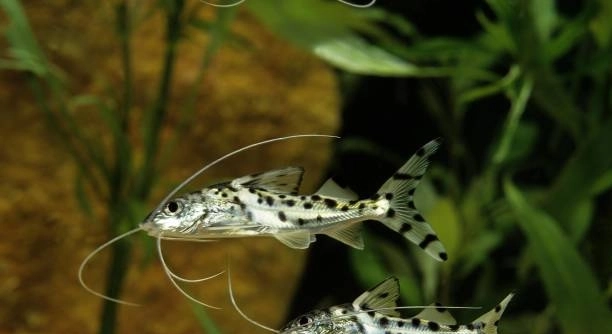
Pictus catfish are popular freshwater fish known for their peaceful nature and active swimming. Many aquarium owners enjoy keeping them as part of a community tank. However, certain situations require extra care to protect their health.
Quarantining a pictus catfish is essential when introducing new fish, treating illness, or after injury. It helps prevent disease spread, reduces stress, and allows for proper monitoring and treatment in a controlled environment. This practice supports overall tank health.
Knowing when to quarantine your pictus catfish can help keep your aquarium safe and thriving for all its inhabitants.
When Introducing New Pictus Catfish
Adding a new pictus catfish to your aquarium can be exciting, but it also carries risks. New fish may bring diseases or parasites that can spread to your current tank inhabitants. Quarantining the new fish for at least two weeks allows you to observe any signs of illness before mixing them with others. During this time, keep the new fish in a separate tank with proper filtration and aeration. Monitor water quality and watch for any unusual behavior or physical symptoms. This precaution helps prevent infections and protects the health of your entire aquarium.
Quarantining new fish is an easy step that can save a lot of trouble later.
By isolating new pictus catfish, you minimize the chances of introducing diseases like ich or fin rot. It also gives you time to treat the fish if needed, using medications without risking contamination. This simple process can improve survival rates and keep your main tank a safer place for all fish. Taking these precautions shows care and responsibility for your aquatic pets.
When Your Pictus Catfish Shows Signs of Illness
Recognizing when your pictus catfish is sick is crucial. Common symptoms include lethargy, loss of appetite, clamped fins, or visible spots and wounds. Quarantine the affected fish immediately to prevent spreading the illness.
Sick pictus catfish need quiet and clean conditions away from other fish.
Illnesses can quickly worsen in a community tank, so early isolation is key. In the quarantine tank, maintain optimal water conditions and use appropriate treatments as recommended for the specific disease. This environment reduces stress and allows the fish to recover more efficiently. Make sure to clean and disinfect any equipment used to avoid contaminating the main tank. Also, continue observing the fish even after it looks healthy again to catch any relapse early. Prompt quarantine and care increase the chances of a full recovery and help maintain balance in your aquarium.
After Injury or Stress
Injury or stress weakens a pictus catfish’s immune system. Quarantining helps avoid infections and promotes healing.
A sudden change, rough handling, or fights with tank mates can cause injuries. When a fish is hurt, it becomes vulnerable to bacterial or fungal infections. Placing the injured fish in a quarantine tank creates a controlled, calm space for recovery. The separate environment reduces stress and exposure to contaminants. Use clean water, maintain stable temperature, and treat any wounds with recommended medicines. Keeping the fish isolated also prevents the spread of potential infections to other tank inhabitants. This care improves chances of full recovery.
Stress from changes in environment or aggressive tank mates can also harm your pictus catfish. Quarantine allows the fish to regain strength in peace. Regular monitoring in this safe space ensures timely treatment and prevents further complications.
After Medication Treatment
Medicating a pictus catfish in the main tank risks harming other fish and beneficial bacteria. Quarantine helps control treatment safely.
In a quarantine tank, you can provide precise doses without affecting the main aquarium’s balance. This reduces the chance of medication poisoning or disrupting the tank’s biological filter. Treatments for parasites or infections often require strong chemicals that are best kept away from other sensitive fish. Quarantining also allows better observation of how the fish responds to medication. It makes it easier to adjust dosage or change treatment if necessary. After the treatment ends, keep the fish in quarantine for a few more days to ensure full recovery and no relapse before reintroducing it to the main tank. This careful approach protects both your pictus catfish and your entire aquarium ecosystem.
After Exposure to Contaminated Water
Contaminated water can introduce harmful bacteria and parasites to your pictus catfish. Quarantining the fish helps prevent infection spread to other tank inhabitants.
Isolating the fish allows for treatment and observation without risking the main tank’s health. It also provides a chance to improve water quality before reintroduction.
When Adding Fish from Different Sources
Fish from different stores or tanks may carry unseen diseases. Quarantining new arrivals is important to avoid spreading illnesses.
This step allows you to monitor fish health, apply preventive treatments, and reduce stress from sudden environment changes. It protects the whole community tank from potential risks.
After Behavioral Changes
Sudden changes in behavior like hiding or loss of appetite can indicate illness or stress in pictus catfish. Quarantining allows close monitoring.
When Cleaning or Repairing the Main Tank
During major tank maintenance, moving fish to quarantine protects them from stress, injury, or exposure to chemicals used in cleaning.
How long should I quarantine a pictus catfish?
The standard quarantine period is usually two to four weeks. This time allows you to observe the fish for signs of illness or parasites that might not be immediately visible. Some diseases take longer to show symptoms, so a full month can be safer. However, if the fish shows clear signs of sickness, quarantine and treatment should continue until it fully recovers. Make sure to keep water conditions stable and monitor behavior throughout.
Can I quarantine multiple pictus catfish together?
Yes, you can quarantine more than one pictus catfish together if they are healthy and from the same source. However, overcrowding the quarantine tank should be avoided to reduce stress and keep water quality high. Make sure the tank is large enough and has proper filtration and aeration. If one fish becomes sick, it’s best to separate it immediately to prevent spreading illness to the others.
What size tank is best for quarantining a pictus catfish?
A quarantine tank doesn’t have to be very large but should provide enough space for the fish to swim comfortably. A 10 to 20-gallon tank works well for one or two pictus catfish. The tank needs a filter, heater, and aeration to maintain water quality. Avoid overcrowding to reduce stress and give room for treatment if needed.
Should I feed my pictus catfish differently in quarantine?
Feeding should remain consistent with what your pictus catfish normally eat. Provide high-quality sinking pellets, frozen or live foods. Feeding smaller portions more often can help monitor appetite and reduce waste buildup. Avoid overfeeding, as poor water quality during quarantine can stress the fish more.
How often should I change water during quarantine?
Water changes are crucial during quarantine to keep conditions healthy. Change about 20-30% of the water every two to three days. Use water that is properly treated and matches the tank temperature. Frequent partial water changes help remove waste and reduce the risk of disease spreading.
What signs show that my pictus catfish needs to be quarantined immediately?
Look for lethargy, loss of appetite, clamped fins, unusual spots or discoloration, and rapid breathing. Also, watch for abnormal swimming behavior or visible injuries. If any of these signs appear, quarantine the fish right away to avoid infecting others and to begin treatment quickly.
Can I skip quarantine if the fish looks healthy?
Skipping quarantine increases the risk of introducing disease or parasites to your established aquarium. Fish can carry illnesses without showing symptoms immediately. Quarantine is a simple and effective way to protect your whole tank. It’s always better to be cautious than to risk losing multiple fish later.
How do I treat a pictus catfish in quarantine?
Treatment depends on the illness but usually involves medicated baths, antibiotics, or antiparasitic medications. Always follow instructions carefully and monitor the fish closely. Keep the quarantine tank clean, maintain proper temperature, and reduce stress. Consult an aquatic vet or trusted guide for the correct treatment plan.
Can quarantining reduce stress for my pictus catfish?
Yes, quarantine can reduce stress by isolating the fish from aggressive tank mates or overcrowding. It also provides a calm environment during illness or recovery. Stress weakens the immune system, so giving your fish time in quarantine helps it regain strength.
Is it necessary to quarantine after every medication treatment?
It is highly recommended to quarantine fish for treatment to avoid harming other tank inhabitants and disrupting the biological filter in your main aquarium. After treatment, keep the fish in quarantine for a few days to ensure recovery before returning it to the community tank. This practice protects all fish and maintains tank stability.
Quarantining your pictus catfish is an important step to keep both the fish and the aquarium healthy. It may feel like extra work at first, but it helps prevent many common problems. Whether you are adding a new fish, treating illness, or managing stress and injuries, using a quarantine tank creates a safer environment. This space lets you watch your fish closely and take care of it without risking other tank mates. Taking time for quarantine shows care and helps avoid larger issues that can be harder to fix later.
Keeping a quarantine tank ready is a good practice for any fish owner. It does not need to be very large or fancy, just functional with clean water, proper filtration, and stable temperature. You can quickly move a fish to quarantine when needed. During this period, maintaining good water quality and feeding properly are key to helping your pictus catfish recover or stay healthy. Regular water changes and monitoring will also support the fish’s well-being. This controlled setting reduces stress and improves the chances of successful treatment if the fish is sick.
Overall, quarantining is a simple but effective way to protect your aquarium community. It keeps diseases from spreading and helps injured or stressed fish heal faster. It also makes introducing new fish safer and helps manage medication treatments properly. By making quarantine a regular part of your fish care routine, you give your pictus catfish the best chance to live a healthy, active life. This care benefits the whole tank and creates a better experience for you as a fish owner.

Hello,
If you enjoy the content that we create, please consider saying a "Thank You!" by leaving a tip.
Every little bit helps us continue crafting quality advice that supports the health, happiness, and well-being of pets around the world, for pets of all shapes, sizes, and species.
We really appreciate the kindness and support that you show us!