
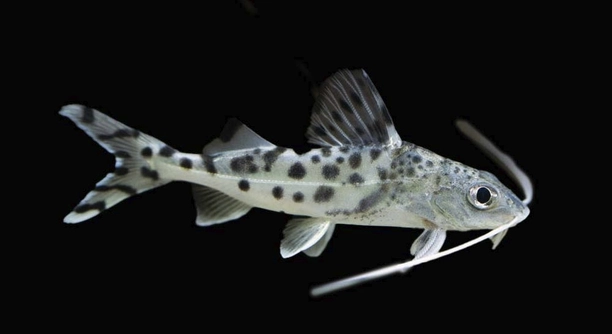
Feeding Pictus Catfish can sometimes be tricky, especially for new aquarium owners. Many common mistakes happen without realizing how they affect the fish’s health. Learning about these errors can help keep your catfish happy and thriving.
The seven common feeding errors with Pictus Catfish include overfeeding, providing inappropriate food types, poor feeding schedules, neglecting water quality, ignoring their natural diet, feeding at wrong times, and not considering their social feeding habits. Each mistake can negatively impact their wellbeing and growth.
Knowing these common mistakes can improve how you care for your Pictus Catfish. Understanding the right feeding habits will help maintain their health and make your aquarium more balanced.
Overfeeding Pictus Catfish
Overfeeding is one of the most common mistakes when caring for Pictus Catfish. It’s easy to think that giving them more food is better, but this can lead to serious problems. When catfish get too much food, it often goes uneaten and starts to decay in the tank. This decay can increase harmful ammonia levels, stressing the fish and other tank inhabitants. Overfeeding can also cause obesity in the catfish, which affects their swimming and overall health. It’s important to feed them small amounts, enough to be eaten within a few minutes. Watching how much your catfish actually consume can help prevent these issues. Feeding twice a day with controlled portions keeps their digestive system healthy and the tank environment stable.
Feeding small amounts reduces waste and keeps the aquarium water clean. This simple adjustment improves the health of your Pictus Catfish dramatically.
Many beginners don’t realize how little Pictus Catfish actually need. These fish prefer to scavenge for leftover food rather than large meals. Providing too much food not only pollutes the water but can also mask signs of illness, as excess food changes fish behavior. A good rule is to feed only what your fish can eat in 3 to 5 minutes. Uneaten food should be removed promptly. Feeding less often but more consistently encourages natural foraging habits and keeps the fish more active. Monitoring their weight and behavior will help you adjust the feeding amount as they grow.
Feeding Inappropriate Food Types
Pictus Catfish are bottom feeders and prefer a varied diet that matches their natural eating habits. Feeding the wrong types of food can cause digestive problems or malnutrition. Avoid only flakes or pellets made for surface feeders, as these might not settle where Pictus Catfish feed. They benefit from sinking pellets, frozen or live foods like bloodworms, brine shrimp, and small insects. Vegetables such as cucumber or zucchini can also be offered occasionally. A balanced diet helps keep their immune system strong and coloration bright.
Choosing the right foods supports your catfish’s health and encourages natural behavior.
Many aquarium owners make the mistake of relying too heavily on processed foods. While pellets are convenient, they should be supplemented with protein-rich live or frozen foods. These mimic the diet Pictus Catfish would find in the wild. Over time, feeding a limited diet can lead to vitamin deficiencies and less energetic fish. Fresh vegetables can add fiber and variety but should not replace protein sources. Offering a mix ensures your catfish receive all the nutrients they need. Observing what your catfish prefer can help guide your feeding choices. Rotating food types also keeps your catfish interested and active during feeding times.
Poor Feeding Schedule
Consistent feeding times are important for Pictus Catfish. Irregular schedules can confuse them and affect their digestion.
Catfish thrive with routine feeding because it helps regulate their metabolism and behavior. Feeding at unpredictable times can cause stress or overeating when food is available. Setting two regular feeding times daily keeps their digestive system working smoothly and reduces waste buildup in the tank. It also helps you monitor their eating habits closely. Pictus Catfish are more likely to be active and healthy when their feeding times are predictable, creating a stable environment for them.
Skipping or delaying feeding can weaken their immune system and make them less responsive. Keeping a regular schedule improves their overall wellbeing and reduces potential health issues.
Ignoring Water Quality During Feeding
Water quality can quickly deteriorate when feeding is not managed carefully. Excess food and waste build-up increase toxins like ammonia and nitrites, which harm Pictus Catfish. It is essential to monitor water parameters regularly, especially after feeding. Maintaining clean water prevents stress and diseases in your catfish.
Regular water changes and prompt removal of leftover food are necessary steps to protect your fish. Using a gravel vacuum to clean the substrate also helps reduce waste accumulation. Keeping the tank well-filtered and aerated supports healthy water conditions. When water quality is prioritized, your Pictus Catfish will stay energetic and display their natural behaviors more often.
Feeding at Wrong Times
Feeding Pictus Catfish during bright daylight can make them shy away from food. These catfish are more active during low light or evening hours.
Feeding when the tank lights are dim or off mimics their natural feeding habits. This timing encourages them to eat more comfortably and reduces competition with other fish.
Not Considering Social Feeding Habits
Pictus Catfish are social creatures and often feed better in groups. Feeding alone can make them stressed or shy, reducing their appetite.
Feeding your catfish as a group promotes natural behavior. Watching them interact during feeding helps identify any weak or sick fish that may need extra care.
Neglecting Their Natural Diet
Ignoring the natural diet of Pictus Catfish can cause health issues. These fish prefer protein-rich foods and occasional plant matter, which support their growth and vitality.
FAQ
How often should I feed my Pictus Catfish?
Feeding your Pictus Catfish twice a day is usually enough. Give them only what they can eat in about 3 to 5 minutes. Overfeeding can harm their health and water quality. Watching their behavior after feeding helps adjust the amount if needed.
What types of food are best for Pictus Catfish?
They do best with sinking pellets, frozen or live foods like bloodworms and brine shrimp, and occasional vegetables like cucumber slices. Avoid only feeding flakes or foods that float on the surface, since Pictus Catfish feed at the bottom of the tank.
Can I feed my Pictus Catfish human food?
It’s not recommended to feed them human food regularly. Some cooked vegetables can be given occasionally, but avoid salty, spicy, or processed items. Their digestive systems are adapted for protein-rich aquatic foods.
Why is my Pictus Catfish not eating?
If your catfish stops eating, it might be stressed, sick, or the food isn’t right. Check water quality, feeding schedule, and make sure the food sinks. Sometimes they need time to adjust to new foods or tank mates.
Is it okay to feed Pictus Catfish once a day?
Feeding once a day can work but twice daily with smaller portions is better. This keeps their metabolism steady and reduces leftover food in the tank.
How much food should I give?
Feed only enough so they finish eating within 3 to 5 minutes. Remove any uneaten food to keep the tank clean.
Can Pictus Catfish eat plants?
They may nibble on some soft vegetables like zucchini or cucumber, but plants shouldn’t make up a big part of their diet. Their main nutrition comes from protein sources.
Should I feed Pictus Catfish differently as they grow?
Yes, younger fish need smaller, more frequent meals with protein-rich foods to support growth. Adults can have slightly larger meals but still should avoid overfeeding.
What happens if I feed my Pictus Catfish too much?
Overfeeding leads to poor water quality and obesity in the fish. It can cause swim bladder issues, stress, and make them more prone to disease.
Do Pictus Catfish prefer live or frozen food?
They usually prefer live or frozen food because it closely mimics what they eat in nature. However, good quality sinking pellets can be a convenient staple.
Can Pictus Catfish eat flake food?
They might eat flakes if they reach the bottom, but flakes are not ideal as a main diet. Flakes can float and may not provide enough nutrition for bottom feeders.
How to know if my catfish is getting enough food?
If your Pictus Catfish looks healthy, active, and has good color, it’s a good sign they’re eating enough. If they seem lethargic or lose weight, feeding amounts or diet may need adjustment.
Is it important to have a feeding schedule?
Yes, a consistent feeding schedule helps keep their metabolism balanced and reduces stress. It also helps maintain stable water conditions.
What if other fish eat the food before my Pictus Catfish?
Try feeding sinking pellets or foods that quickly reach the bottom. Feeding in a quiet area of the tank or after other fish eat can also help.
Can I feed Pictus Catfish during the day?
They are more active during low light or nighttime, so feeding in the evening or early morning often works best. Daytime feeding might result in less interest.
What should I do with leftover food?
Remove uneaten food promptly to prevent water pollution. Leftover food breaks down and can cause harmful ammonia spikes, stressing your fish.
Are there any supplements needed for Pictus Catfish?
If their diet is varied and balanced with protein and occasional vegetables, supplements are usually unnecessary. Proper feeding and clean water are more important.
How long can Pictus Catfish go without food?
They can survive several days without food but shouldn’t be regularly starved. If you need to be away, try automatic feeders or ask someone to feed them.
Can feeding mistakes cause diseases?
Yes, poor feeding practices can weaken immune systems and increase susceptibility to infections. Maintaining good feeding habits supports long-term health.
How to transition Pictus Catfish to a new diet?
Introduce new foods gradually by mixing them with their current diet. Observe how they react and adjust accordingly to avoid stress or refusal.
What is the best way to feed a community tank with Pictus Catfish?
Feed sinking pellets or foods that reach the bottom quickly to ensure your Pictus Catfish get enough. Feed at different spots if needed to reduce competition.
Do Pictus Catfish need variety in their diet?
Yes, variety keeps them healthy and active. Rotating foods between pellets, frozen, live, and vegetables prevents boredom and nutritional gaps.
Feeding Pictus Catfish properly is key to keeping them healthy and happy. Understanding their natural diet and feeding habits helps avoid common mistakes. Overfeeding, feeding the wrong foods, and poor schedules can all cause problems for these fish. By paying close attention to what and when they eat, you create a better environment for them to thrive. Clean water and good tank conditions also play a big role in how well your catfish respond to feeding. When their diet matches their needs, they stay active and show their best colors.
Consistency is very important when feeding Pictus Catfish. Feeding them twice a day with small portions that are eaten quickly helps avoid leftover food and water issues. Using sinking pellets or live foods similar to what they would find in the wild supports their health. Remember that they are social fish, and feeding them in groups encourages natural behavior. Avoid feeding during bright daylight since they are more comfortable eating during low light or evening hours. Watching your catfish’s behavior and adjusting feeding amounts or types as needed is a simple way to keep them healthy.
Overall, feeding Pictus Catfish well takes attention and care but is not difficult. It’s about learning their needs and creating a routine that works for your aquarium. Avoiding common errors like overfeeding, poor diet choices, or irregular feeding times will improve their quality of life. With the right feeding habits, your Pictus Catfish will be lively, healthy, and a wonderful addition to your tank. Taking the time to feed them properly shows how much you care about their wellbeing and helps you enjoy watching them grow and thrive.

Hello,
If you enjoy the content that we create, please consider saying a "Thank You!" by leaving a tip.
Every little bit helps us continue crafting quality advice that supports the health, happiness, and well-being of pets around the world, for pets of all shapes, sizes, and species.
We really appreciate the kindness and support that you show us!