
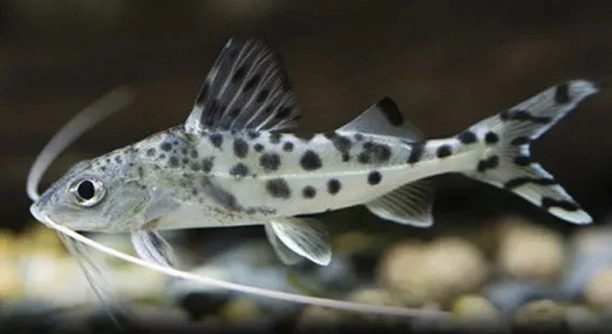
Many people enjoy keeping Pictus catfish as part of their home aquariums. These fish are known for their peaceful nature but can often be very shy. Understanding their behavior helps create a calm environment for them to thrive.
Handling a shy Pictus catfish requires patience and gentle care. Providing hiding spots, maintaining stable water conditions, and avoiding sudden movements reduce stress and encourage the fish to become more comfortable in their surroundings.
Learning how to support your shy Pictus catfish will improve its well-being and make your aquarium a more peaceful space for everyone.
Creating a Comfortable Environment
A shy Pictus catfish feels safest when its surroundings mimic natural conditions. Start by adding plenty of hiding spots, such as caves, plants, or driftwood. These give the fish places to retreat when it feels nervous. Soft lighting also helps, as bright lights can make shy fish more anxious. Keeping the water clean and stable in temperature is important, too. Regular water changes and proper filtration reduce stress and promote health. Avoid sudden movements around the tank, and try to feed the fish at consistent times. This routine helps build trust over time. Watching quietly from a distance lets the catfish get used to your presence without feeling threatened. Over time, a shy Pictus catfish will begin to explore more and show its natural behavior.
Providing a safe, calm environment is key to helping a shy Pictus catfish feel secure and more willing to interact.
Building this trust creates a peaceful aquarium that benefits both the fish and the owner. With patience, the catfish’s shy nature will gradually soften, making tank-watching more rewarding. Small adjustments to the tank setup and routine show noticeable improvements in the fish’s comfort. Observing their slow progress can be very satisfying. Remember that sudden changes may cause setbacks, so consistency is crucial. A well-cared-for Pictus catfish will eventually become a charming, active part of your aquarium. This care supports both the fish’s health and your enjoyment of the tank. Taking the time to understand and meet their needs leads to a lasting connection.
Feeding a Shy Pictus Catfish
Feeding a shy Pictus catfish can require extra care and attention. They may be reluctant to eat if they feel exposed or threatened.
It helps to offer food near hiding spots or on the substrate where the fish feels safer. Sinking pellets or frozen foods like bloodworms work well. Feeding smaller amounts more frequently encourages regular eating habits. Avoid overfeeding, which can lead to poor water quality and stress. Watching the catfish eat from a distance supports its comfort, and over time, it may become more willing to accept food openly. Feeding routines that respect the fish’s shy nature help maintain its health and encourage natural behavior in the tank.
Managing Stress in Pictus Catfish
Stress can make a shy Pictus catfish hide even more or refuse to eat. Keeping the tank environment stable is crucial to lowering stress levels.
Frequent water testing and gentle tank maintenance help keep the water quality high. Avoid overcrowding the tank because too many fish can increase stress. Monitor the behavior of other fish to prevent aggression, which can frighten a shy Pictus catfish. Reducing noise and vibrations around the tank also helps. The calmer the surroundings, the less stressed your catfish will feel. Giving your fish time to adapt to any changes, such as new decorations or tankmates, is important. Sudden changes can cause anxiety and worsen their shy behavior.
Stress management is essential for a shy Pictus catfish to remain healthy and active. A well-maintained environment encourages them to explore and interact more naturally over time.
Handling and Interaction Tips
Gentle interaction is necessary for building trust with a shy Pictus catfish. Avoid tapping the glass or making quick movements near the tank.
Spend quiet moments near the tank so your catfish can get used to your presence. Using slow hand movements when feeding or cleaning helps the fish stay calm. Consistency in your routine supports a sense of security for the catfish. Try to limit disruptions like loud noises or sudden lighting changes. Giving your fish space when it seems nervous is important; forcing interaction can backfire. Over time, your shy Pictus catfish may become more comfortable showing itself and responding to your presence. Patient, respectful handling leads to better connections with these sensitive fish.
Recognizing Signs of Shyness
Shy Pictus catfish often stay hidden and avoid open areas in the tank. They may freeze or dart quickly when approached.
These fish usually prefer low or dimly lit spots. Lack of movement or refusal to eat can also signal stress or discomfort related to their shyness.
Tank Setup for Shy Pictus Catfish
Providing plenty of hiding places with plants, caves, and driftwood creates a secure environment. Soft lighting and a calm tank atmosphere reduce anxiety and encourage exploration. Avoid overcrowding and keep water quality stable to maintain their comfort.
Patience Is Key
Building trust with a shy Pictus catfish takes time. Consistency and gentle care help the fish feel safe and gradually become more confident in the tank.
FAQ
How can I tell if my Pictus catfish is too shy or sick?
Shy behavior includes hiding often, freezing, or darting away quickly. If your catfish stops eating, has clamped fins, or shows unusual spots or discoloration, it may be sick. Monitoring both behavior and physical signs helps distinguish shyness from illness. Regular water tests also ensure the environment is healthy.
What are the best hiding spots for a shy Pictus catfish?
Use smooth caves, driftwood, and live or artificial plants to create hiding places. Ensure spaces are large enough for the fish to enter easily. Layering decorations to form sheltered areas encourages the catfish to explore safely. Avoid sharp or rough objects that might harm their delicate barbels.
How often should I feed a shy Pictus catfish?
Feed small amounts once or twice daily. Frequent, smaller meals reduce stress and encourage regular eating. Use sinking pellets or frozen foods placed near hiding spots to help the fish feel safer while feeding. Remove uneaten food promptly to maintain water quality.
Can other fish cause stress to a shy Pictus catfish?
Yes, aggressive or overly active tankmates can frighten shy catfish. Choose peaceful species that won’t chase or compete aggressively for food. Avoid large, territorial fish. Creating plenty of hiding places helps reduce encounters and stress between tankmates.
How do I handle sudden changes in the tank that may stress my catfish?
Introduce changes slowly and in stages. Avoid abrupt lighting shifts, temperature swings, or rearranging decorations frequently. Allow the catfish time to adapt between adjustments. Monitoring behavior closely after changes lets you respond quickly if stress signs appear.
Is it okay to try and touch or hold a shy Pictus catfish?
It’s best to avoid handling unless necessary for health reasons. Touching can cause stress or injury to delicate barbels and skin. If handling is needed, do so gently with wet hands or a soft net, minimizing contact time. Patience is better for building trust.
What water parameters support a shy Pictus catfish’s comfort?
Maintain a temperature between 74°F and 79°F (23°C to 26°C), pH around 6.5 to 7.5, and soft to moderately hard water. Stable, clean water reduces stress and promotes health. Regular water changes and proper filtration keep these parameters steady.
Can shy Pictus catfish become more social over time?
Yes, with gentle care and a stable environment, shy catfish often become more active and visible. They may explore more and accept food openly. However, their natural personality means some will always remain more reserved than others.
What should I do if my shy Pictus catfish never leaves its hiding spot?
Evaluate tank conditions like water quality, tankmates, and hiding place safety. Ensure there is no bullying or poor water parameters. Sometimes adding more hiding spots or adjusting lighting helps. If the behavior continues, consult a vet or aquarium specialist to check for health issues.
Are there any signs that indicate a shy Pictus catfish is comfortable?
Comfortable catfish will swim calmly, explore the tank, and eat regularly. They may come out of hiding during feeding or in response to gentle presence nearby. Relaxed fins and smooth, steady movements also show they feel secure in their environment.
Handling a shy Pictus catfish takes patience and understanding. These fish naturally prefer quiet and safe places, so creating a calm environment is very important. Providing plenty of hiding spots, such as plants and caves, helps them feel secure. Maintaining stable water conditions with proper temperature, pH, and cleanliness also supports their comfort. A shy catfish will gradually become more confident when it knows its home is safe and consistent.
Feeding is another key part of caring for a shy Pictus catfish. Offering food near hiding places or on the tank bottom makes the fish feel less exposed and more willing to eat. Small, frequent meals are better than one large feeding, as this encourages steady eating habits without causing stress. Avoiding sudden movements around the tank during feeding times helps the catfish feel less threatened. Over time, this gentle approach builds trust and encourages more natural behavior.
It is important to remember that every Pictus catfish is different. Some will remain shy no matter how much care and attention they receive. Respecting their nature and allowing them to set their own pace is the best way to support their health and happiness. With time, patience, and proper tank management, a shy Pictus catfish can live a peaceful and fulfilling life in your aquarium. The quiet moments of seeing them explore little by little can be very rewarding.

Hello,
If you enjoy the content that we create, please consider saying a "Thank You!" by leaving a tip.
Every little bit helps us continue crafting quality advice that supports the health, happiness, and well-being of pets around the world, for pets of all shapes, sizes, and species.
We really appreciate the kindness and support that you show us!