
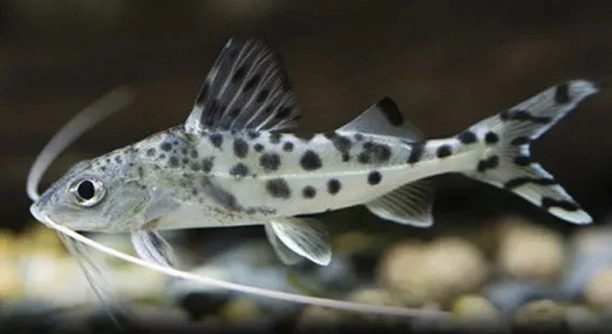
Pictus catfish are popular aquarium fish known for their peaceful nature and striking appearance. Many fishkeepers want to ensure their health, especially when illness strikes. Understanding how these fish respond to treatments is important for their care.
Pictus catfish can tolerate certain medications, but sensitivity varies depending on the drug and dosage. Careful selection and proper dosing are essential to avoid stress or harm to the fish during treatment. Monitoring their behavior is also crucial.
Knowing how to safely medicate your pictus catfish helps protect them and supports effective recovery from common ailments. This article will provide useful insights for responsible fish care.
How Medication Affects Pictus Catfish
Medicating pictus catfish requires careful consideration because these fish are sensitive to water changes and chemicals. Some medications, especially those containing copper or strong antibiotics, can cause stress or even harm if not used correctly. When treating any illness, it’s important to first identify the problem accurately. Overmedicating or using the wrong treatment may lead to weakened immunity or skin damage. Always follow the medication instructions closely and consider using a quarantine tank to minimize stress on the main aquarium. Observing the fish during treatment helps catch any negative reactions early. Proper filtration and partial water changes can support recovery but must be done cautiously to avoid sudden changes in water chemistry. Patience is key, as the fish might take time to respond positively to treatment. Overall, medication should be used as a last resort after improving water quality and environment.
Pictus catfish react differently to medications, so starting with mild treatments is safest.
Regular monitoring and proper dosing are essential to keep your fish healthy during medication.
Common Medications Safe for Pictus Catfish
Mild antibiotics like those based on erythromycin and fish-specific antifungals are generally safe for pictus catfish when used correctly. These medications help control common infections without overwhelming the fish’s system. Salt baths in small doses can also aid healing, but too much salt is harmful. Some broad-spectrum medications may irritate the catfish’s sensitive skin or gills, so it’s better to avoid harsh chemical treatments unless necessary. If you notice unusual behavior like gasping, lethargy, or loss of appetite after applying medicine, discontinue use and improve tank conditions first. Quarantining sick fish helps prevent the spread of disease and reduces stress on healthy tankmates. Before starting any treatment, researching the specific illness and medication effects on pictus catfish will improve success rates. If unsure, consulting with an experienced aquarist or vet is a good idea. Proper care and cautious medication ensure the best chances for recovery.
Signs of Medication Stress in Pictus Catfish
Medication stress shows up quickly in pictus catfish. Signs include rapid gill movement, hiding more than usual, or refusing food. Sometimes, the fish may scrape against objects or show faded colors.
When pictus catfish feel stressed from medication, their immune system weakens, making recovery harder. Stress can lead to increased breathing rates and erratic swimming. They might isolate themselves or stay near the bottom. It’s important to act fast by stopping medication and improving water quality. Using gentle treatments and keeping the environment stable helps reduce stress. Watching closely during treatment ensures you catch problems early and adjust care accordingly.
In some cases, lowering medication dosage or switching to a milder option can ease stress. Using a quarantine tank also reduces risks by isolating the fish from other tankmates, preventing additional tension and infection.
Preparing Your Tank for Medication
Before adding any medication, check the water quality thoroughly. Clear, stable water reduces stress and supports healing during treatment. Remove activated carbon from filters as it can absorb medicines, making them less effective. Adjust the temperature carefully to avoid sudden changes that can harm your fish. Aeration should be increased since some medicines lower oxygen levels. Keep the tank dimly lit to calm your pictus catfish while they recover. Clean the tank gently, avoiding strong chemicals or too much disturbance. Monitoring water parameters like ammonia, nitrites, and pH helps avoid additional stress. Proper preparation gives medication the best chance to work without harming your fish.
Dosage and Duration Guidelines
Always follow the medication’s dosage instructions carefully. Overdosing can harm pictus catfish, while underdosing may be ineffective. Duration should be just long enough to treat the illness without stressing the fish.
If symptoms persist after treatment, avoid repeating the full dosage immediately. Instead, consult a professional or adjust care based on the fish’s response.
Alternatives to Medication
Improving water quality and diet often helps pictus catfish heal without medicine. Stress reduction through a calm environment supports their immune system. Sometimes, simple changes prevent illness better than drugs.
Using Quarantine Tanks
Quarantine tanks isolate sick fish, reducing the risk of spreading disease. They also allow safer medication use, lowering stress on the main aquarium.
Monitoring Recovery
Keep a close eye on your pictus catfish after treatment to ensure full recovery and avoid relapse.
FAQ
Can pictus catfish survive copper-based medications?
Copper-based medications are often harmful to pictus catfish because they are sensitive to copper toxicity. Even small amounts can cause stress or damage to their gills and internal organs. It’s best to avoid copper treatments unless specifically prescribed by a vet who knows your fish species well. Instead, opt for medications that are known to be safe for catfish or use quarantine tanks for treatment.
How do I know if medication is hurting my pictus catfish?
Watch for signs like rapid breathing, clamped fins, loss of appetite, or unusual hiding. Scraping against tank objects or faded colors can also indicate discomfort. If you notice these symptoms during treatment, stop the medication and perform a partial water change. Improving tank conditions and switching to gentler treatments can help your fish recover more safely.
Is it necessary to use medication every time my pictus catfish looks sick?
Not always. Many illnesses in fish are caused by poor water quality or stress. Improving tank conditions and diet can often restore health without medication. Use medicine only when symptoms clearly show infection or parasites and after consulting proper guidelines or a professional.
How long should I treat my pictus catfish with medication?
Treatment length depends on the medication and illness. Most treatments last between 3 to 7 days, but always follow the instructions on the medicine. Stopping too early can cause relapse, while too long can increase stress and harm. Monitor your fish closely and adjust care as needed.
Can I medicate pictus catfish in the main tank?
You can, but it’s riskier because medications can affect other tank inhabitants and beneficial bacteria. Using a quarantine tank is safer for the sick fish and the whole aquarium. If treating the main tank, remove activated carbon from filters and closely watch your fish for negative reactions.
Are salt treatments safe for pictus catfish?
Small doses of aquarium salt can help fight infections and promote healing. However, pictus catfish are sensitive, so salt should be used sparingly and only for short periods. Too much salt can cause stress and damage their delicate skin and gills.
What can I do if my pictus catfish doesn’t improve after medication?
First, check water quality and tank conditions. Sometimes poor environment slows healing. If conditions are good, try a different medication or consult an aquatic veterinarian. Quarantining the fish can help control infections and reduce stress during treatment.
How can I prevent illnesses that need medication?
Maintaining clean water, a balanced diet, and a stress-free environment is key. Regular partial water changes and avoiding overcrowding reduce disease risks. Quarantining new fish before adding them to the main tank also helps prevent outbreaks.
Is it normal for pictus catfish to hide during treatment?
Yes, they often hide when stressed or feeling unwell. This behavior is a natural defense. Provide hiding spots to help your fish feel secure. If hiding continues after treatment, reassess tank conditions and medication effects.
Can overmedicating cause long-term problems for pictus catfish?
Yes. Overmedication can weaken their immune system, damage organs, and cause chronic stress. Always use the lowest effective dose and shortest duration needed. Avoid mixing medications without guidance, as this can increase risks.
These answers aim to help you care better for your pictus catfish when medication is needed. Staying informed and observant protects your fish’s health and wellbeing.
Final thoughts on medicating pictus catfish focus on caution and care. These fish are sensitive and need gentle treatment to stay healthy. Medication should only be used when absolutely necessary, and always with the right dosage and duration. Using the wrong medicine or too much can cause more harm than good. It is important to understand the needs of your fish and their reactions to any treatment. Watching for signs of stress or discomfort during medication can help you act quickly and prevent further problems.
Water quality plays a big role in how well pictus catfish tolerate medicine. Clean, stable water supports their immune system and helps them recover faster. Before starting any treatment, check the tank conditions carefully. Remove harmful chemicals and maintain proper temperature, pH, and oxygen levels. Small changes in water can cause stress, making the fish more vulnerable. If you do use medication, prepare the tank properly and keep a close eye on your fish throughout the process. A quarantine tank can also be helpful to reduce risks and protect healthy fish.
Remember, prevention is always better than treatment. Providing a calm environment, good nutrition, and regular maintenance lowers the chances your pictus catfish will get sick. When illness happens, gentle care combined with proper medication can make a big difference. Patience and attention are key to helping your fish heal without causing extra stress. By following guidelines and learning about your pictus catfish’s needs, you can keep them happy and healthy for a long time.

Hello,
If you enjoy the content that we create, please consider saying a "Thank You!" by leaving a tip.
Every little bit helps us continue crafting quality advice that supports the health, happiness, and well-being of pets around the world, for pets of all shapes, sizes, and species.
We really appreciate the kindness and support that you show us!