
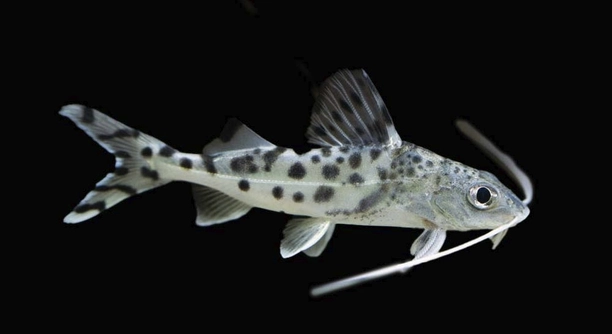
Are you setting up a tank for your pictus catfish and wondering if adding salt might help improve their environment? Salt can be useful in some aquariums, but it’s not always safe for every species.
Pictus catfish are sensitive to salt, and while small amounts may be used in specific medical treatments, regular or excessive salt use is not recommended. Their natural habitat is freshwater, and salt can cause stress or health issues.
Understanding how salt affects different freshwater fish will help you make safe, informed choices for your tank setup and fish care.
Why Salt Can Be Harmful to Pictus Catfish
Pictus catfish are freshwater fish that come from rivers in South America. In their natural environment, they are not exposed to salt, which means their bodies are not designed to handle it. Adding salt to their tank can irritate their skin and gills, making it harder for them to breathe. While some aquarium salt is used for treating certain fish diseases, this should only be done in short-term, controlled doses and only if absolutely necessary. Long-term salt exposure can weaken their immune system, affect their behavior, and even lead to death. If you’re trying to keep your pictus catfish healthy, maintaining clean water with proper filtration is a much safer approach. These fish thrive in stable, well-maintained tanks with low stress levels. Salt can create the opposite effect, introducing new stressors and harming their natural balance. Avoid using salt unless advised by a vet or aquatic specialist.
Some hobbyists use salt to treat common problems, but it’s not a one-size-fits-all solution.
Instead of relying on salt, it’s better to focus on providing clean, oxygen-rich water with regular maintenance. Proper tank setup, including hiding spots and good water movement, will go a long way in supporting the health of your pictus catfish.
When Salt Might Be Used Safely
In very limited cases, a small amount of aquarium salt may be used for short-term treatments.
If your pictus catfish is showing signs of external parasites or mild fungal infections, some aquarists might consider a salt bath. This method involves moving the fish to a separate treatment tank with a carefully measured amount of salt. The fish stays there for only a few minutes, under close observation. This approach should only be used after confirming that the issue can be addressed this way and that the fish is otherwise healthy enough to handle the treatment. Even then, it’s essential to use the correct type of salt—never table salt with added iodine or anti-caking agents. Aquarium salt is the safest option, but it still needs to be used cautiously. Once the bath is over, the fish should be returned to its main tank, which must remain salt-free. Always consult an aquatic vet before trying any treatments involving salt, especially with sensitive species like pictus catfish.
How to Maintain a Healthy Tank Without Salt
Focus on stable water conditions by testing the water weekly and doing partial water changes. Use a reliable filter and avoid overcrowding. These simple steps can prevent most issues that some try to treat with salt.
A good filter is essential for keeping the water clean and oxygen-rich, which supports your pictus catfish’s immune system. You should also avoid sudden changes in temperature or pH, as these fish are sensitive to environmental stress. Keep the water temperature between 75–81°F and the pH around 6.5–7.5. Feed them a varied diet and remove uneaten food quickly to avoid ammonia buildup. Stability and cleanliness are key, and they work better than adding treatments like salt. Keep decorations smooth and safe to prevent injury, as pictus catfish are active swimmers. Adding plants and hiding spots can also reduce stress and support natural behavior.
Regular maintenance plays a big part in long-term health. Change 25–30% of the tank water each week and vacuum the substrate to remove waste. Always treat tap water with a dechlorinator before adding it to the tank. Test for ammonia, nitrite, nitrate, and pH, and make adjustments as needed. Proper care and consistency can prevent common diseases and keep your pictus catfish comfortable. You don’t need to use salt if the tank is well cared for.
What to Do If Your Fish Gets Sick
If your pictus catfish shows signs of illness, the first step is to check your water parameters. Poor water quality is a common cause of stress-related health problems, and correcting it can often reverse the issue.
Look for signs like labored breathing, loss of appetite, or visible marks on the skin. If the water parameters are within a healthy range and symptoms continue, isolate the fish in a hospital tank. This allows for safe observation and treatment. Use medications specifically made for freshwater fish and always follow dosing instructions. Salt treatments should only be used if advised by a vet or experienced aquarist, especially since pictus catfish are more sensitive. Never medicate the main tank unless absolutely necessary. Keeping the hospital tank clean and monitoring the fish closely gives the best chance for recovery without putting others at risk. Prevention through regular tank care is always easier than treatment.
Common Misunderstandings About Salt Use
Some people believe salt is a cure-all for aquarium problems, but that isn’t true. It can harm sensitive fish like pictus catfish if used incorrectly or too often. Not all fish benefit from salt treatments.
Another misunderstanding is that salt helps with water quality. Salt does not remove toxins, balance pH, or replace proper filtration. It’s only useful in specific situations and should never replace regular tank maintenance or targeted treatment methods.
Choosing the Right Products for a Salt-Free Tank
Stick to products made for freshwater tanks. Use a water conditioner to remove chlorine and chloramine from tap water, and choose a filter that matches your tank size. Avoid products that contain salt or are labeled for marine use. For cleaning, use aquarium-safe tools and avoid soaps or chemicals. Reliable test kits are essential for monitoring pH, ammonia, nitrite, and nitrate. When selecting food, pick a mix of sinking pellets and occasional frozen treats that match the catfish’s natural diet. Simple, safe supplies go a long way in keeping your tank healthy without needing salt.
Final Tips to Keep in Mind
Always research treatments before adding anything to the tank. Even small changes can affect sensitive species like pictus catfish.
FAQ
Can pictus catfish live in slightly brackish water?
No, pictus catfish are strictly freshwater fish. They do not tolerate brackish water, even at low salinity. Their bodies are not designed to process salt, and exposing them to brackish conditions can cause stress, gill damage, and long-term health problems. Always maintain a fully freshwater setup for this species.
Is aquarium salt ever completely safe for pictus catfish?
Only in short-term, controlled doses during specific treatments. Even then, salt should be used with extreme caution. The fish should be monitored closely and moved to a separate tank for treatment. Never use salt regularly in their main aquarium, and always follow precise measurements if salt is used.
What should I do if I accidentally added salt to their tank?
Start by performing a partial water change—about 25–50%—to reduce the salt concentration gradually. Repeat water changes over the next few days. Avoid large, sudden changes that could shock the fish. Monitor them for signs of stress like rapid breathing, hiding, or clamped fins. If symptoms worsen, continue small water changes daily and avoid adding any more treatments until the tank stabilizes.
Are there freshwater fish that actually benefit from salt?
Yes, some species like mollies and guppies tolerate or even prefer small amounts of salt. Others, like goldfish and livebearers, may benefit from salt under certain conditions. But pictus catfish are not among these. Each species has different needs, so always research before using salt in a shared tank.
Why do some people recommend salt if it’s not always safe?
Salt has been a traditional remedy in fishkeeping for years. It’s easy to find and often helps with external parasites or mild infections. However, not all fish respond the same way. Recommendations don’t always consider species sensitivity, which is why salt should be used with research and caution.
What are safer alternatives to salt for treating sick fish?
Start with improving water quality—test the parameters and fix any issues. Use medications designed for freshwater fish when needed. Some treatments target parasites or bacteria without involving salt. You can also raise the temperature slightly or use aquarium-safe herbal remedies. Always isolate sick fish in a separate tank when treating.
Can salt be used to prevent disease in pictus catfish?
No, it’s not recommended as a preventative for pictus catfish. Healthy water conditions, proper feeding, and stress-free environments are more effective ways to prevent illness. Routine salt use can actually weaken their immune system over time, making them more prone to disease rather than less.
Does salt affect other tank inhabitants like plants or snails?
Yes, salt can damage or kill many live plants and invertebrates. Even small amounts can cause leaf damage or disrupt the balance in planted tanks. Snails and shrimp are also sensitive to salt. If your tank includes a mix of species, it’s best to avoid salt unless treating in a separate tank.
How can I tell if my pictus catfish is stressed?
Look for signs like erratic swimming, hiding more than usual, loss of appetite, rapid gill movement, or pale coloration. Stress can come from poor water quality, aggressive tank mates, or environmental changes—including salt exposure. Fix the source of stress quickly to help your fish recover.
Can I use Epsom salt instead of aquarium salt?
No, Epsom salt (magnesium sulfate) and aquarium salt (sodium chloride) serve different purposes. Epsom salt is sometimes used to treat bloating or constipation, but it’s not a substitute for aquarium salt. Neither should be used without understanding the proper dose and treatment reason. Always isolate the fish if treatment is necessary.
Should I remove the fish during any salt treatment?
Yes, always use a separate hospital tank for salt treatments. This avoids exposing other fish, plants, and invertebrates to unnecessary risk. It also makes it easier to monitor the sick fish and keep the main tank stable. The hospital tank should match the main tank’s temperature and pH to reduce stress.
What if I already added salt before learning it was unsafe?
Don’t panic. Begin doing partial water changes right away to reduce the salt. Do not attempt to remove all the salt at once, as that can cause sudden shifts in water chemistry. Monitor your pictus catfish closely, and if they appear stable, continue gradual water changes until the salt is fully diluted.
Final Thoughts
Pictus catfish are active, sensitive fish that do best in stable, freshwater environments. Their natural habitat doesn’t contain salt, and their bodies are not built to process it. Using salt in their tank can lead to stress, health issues, or even death. While some aquarists use salt for other fish species, pictus catfish require extra care. The safest option is to avoid salt completely unless it’s part of a short-term, carefully monitored treatment plan in a separate hospital tank. Even then, it should only be used when truly necessary and in small amounts. These fish respond better to clean water, good filtration, and a balanced diet.
Many people believe salt helps improve water quality or acts as a general medicine, but that’s not true for every fish. Pictus catfish are more sensitive than others, and what works for one species may harm another. It’s important to understand their specific needs instead of using general methods. Clean water, regular tank maintenance, and attention to diet are the best ways to keep them healthy. If they show signs of illness, the first step should always be testing water parameters. Poor water quality is often the cause of stress or disease. Treatments should be used only when needed and always chosen with the fish’s sensitivity in mind.
Keeping a pictus catfish healthy means creating a calm, clean tank environment and being careful about any changes. If you’re unsure whether a product or treatment is safe, it’s better to research or ask an expert before adding anything to the water. Always check the ingredients in treatments and avoid anything that contains salt unless directed by a vet. Focus on stability, clean water, and a good feeding schedule. These small steps will keep your pictus catfish active and healthy over time. Avoiding salt is just one part of making sure your tank stays a safe place for them. A little extra care goes a long way with fish that need a more delicate setup.

Hello,
If you enjoy the content that we create, please consider saying a "Thank You!" by leaving a tip.
Every little bit helps us continue crafting quality advice that supports the health, happiness, and well-being of pets around the world, for pets of all shapes, sizes, and species.
We really appreciate the kindness and support that you show us!