
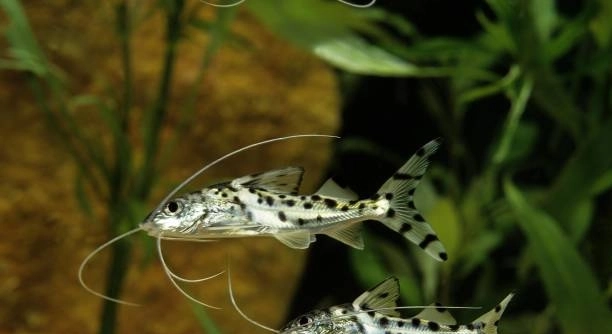
Many catfish owners enjoy watching their pets swim peacefully in their tanks. Sometimes, though, the tank size may no longer suit the catfish’s needs. Recognizing when it’s time to upgrade can improve your catfish’s health and comfort.
A bigger tank becomes necessary when your catfish shows signs of stress, limited swimming space, rapid growth, poor water quality, increased aggression, or frequent illness. Proper tank size ensures adequate oxygen, space, and a stable environment for their well-being.
Knowing these signs can help you provide the best care for your catfish. Understanding when to expand their living space is key to keeping them happy and healthy.
Limited Swimming Space
Catfish need enough room to swim comfortably and explore their environment. When a tank is too small, movement becomes restricted, causing stress. You might notice your catfish spending more time hiding or resting in one spot instead of swimming freely. This limitation can affect their muscle development and overall health. Providing ample space helps them stay active and reduces the risk of injury. It also mimics their natural habitat better, which supports their well-being.
Restricted swimming space often results in lethargy and decreased appetite, signaling the need for a larger tank.
Ensuring your catfish have plenty of room to move prevents stress-related health issues. A cramped tank can quickly lead to poor water circulation and waste buildup. When your catfish can swim without obstruction, their behavior becomes more natural and vibrant. It is important to observe how much space your catfish currently has and compare it to recommended tank sizes for their species and size. Upgrading to a bigger tank improves water quality and provides better oxygen circulation, directly impacting your catfish’s vitality. This change promotes healthier growth and reduces aggressive behaviors caused by confinement.
Poor Water Quality
Poor water quality is often a sign that the tank size is insufficient for the catfish population. Smaller tanks tend to accumulate waste more quickly, leading to harmful ammonia and nitrite levels. These toxins can cause respiratory problems and weaken the immune system of your catfish. Frequent water changes may temporarily help, but a larger tank offers more stable conditions and reduces the frequency of maintenance. Clean, well-oxygenated water is crucial for your catfish’s survival.
When water quality deteriorates despite regular cleaning, a bigger tank is usually necessary.
Maintaining good water quality in a small tank is challenging due to limited volume. Larger tanks dilute toxins better and support a balanced ecosystem of beneficial bacteria that break down waste products. This balance is harder to achieve in cramped conditions. Catfish also produce a significant amount of waste, especially as they grow. Overcrowding can accelerate water quality decline, leading to frequent stress and illness. A larger tank provides a healthier environment by improving filtration efficiency and reducing toxin buildup. It also helps maintain stable temperature and pH levels, which are important for your catfish’s well-being. Upgrading to a bigger tank can save you time and effort while giving your catfish the best chance to thrive.
Rapid Growth
Catfish grow quickly, and their tank must accommodate this growth. A small tank can restrict their development and cause health issues. Upgrading the tank early prevents stress and overcrowding.
When catfish outgrow their tanks, they become cramped, which affects their physical health and behavior. Limited space can stunt growth or lead to deformities. Over time, larger catfish also produce more waste, putting extra strain on filtration systems designed for smaller tanks. Ensuring the tank size matches the expected adult size of your catfish is essential. Regularly monitoring their size and adjusting their living space helps maintain a healthy environment and avoids costly problems later. Planning ahead by choosing a tank that allows growth reduces the need for frequent upgrades.
A bigger tank supports not only the physical growth of your catfish but also their activity levels. It provides enough space for swimming and exploring, which stimulates natural behaviors. This environment helps reduce stress and promotes better immune function. Adequate space also lessens the chance of aggression between catfish that feel crowded. Investing in a larger tank early benefits both the catfish and the keeper by simplifying maintenance and improving the overall experience.
Increased Aggression
Aggression often rises when catfish feel cramped or stressed due to a small tank. Territorial disputes become more frequent, affecting their health and well-being.
Aggressive behaviors may include chasing, biting, or blocking access to hiding places. Overcrowded tanks create competition for resources like food and shelter, leading to fights. Providing more space reduces tension and allows catfish to establish their own territories without conflict. A larger tank decreases stress levels and promotes a more peaceful environment. It also gives weaker fish a chance to avoid dominant ones, improving survival rates. Monitoring behavior changes helps identify when tank size needs adjustment before aggression causes injury or illness.
Signs of Stress
Stress in catfish can show through unusual behavior like hiding or rapid breathing. These signs often mean the tank is too small or the environment is unstable.
Prolonged stress weakens the immune system and makes catfish more vulnerable to diseases. A bigger tank with stable water conditions helps reduce stress and supports better health.
Frequent Illness
Catfish living in cramped tanks are more prone to infections and parasites. Poor water quality and stress contribute to frequent health problems.
Providing a larger tank improves water quality, reduces stress, and lowers the risk of illness. Regular monitoring and maintenance are essential for their well-being.
Inadequate Filtration
Smaller tanks often have filtration systems that struggle to keep up with waste. This results in toxin buildup harmful to catfish.
A bigger tank allows for more effective filtration and better water circulation, promoting a healthier habitat and reducing maintenance needs.
How do I know when my catfish tank is too small?
There are clear signs that your tank is too small for your catfish. If your fish show limited movement, seem stressed, or display aggressive behavior, the tank may be cramped. Rapid growth of the catfish or poor water quality despite regular maintenance are also indicators. Frequent illness can suggest an inadequate environment. Observing these signs carefully can help you decide when an upgrade is necessary.
What is the ideal tank size for catfish?
The ideal tank size depends on the species and the number of catfish. Generally, a minimum of 20 gallons is recommended for smaller species, while larger catfish need tanks of 50 gallons or more. It’s important to research the specific catfish species you have and consider their adult size. Providing extra space for growth and swimming ensures a healthier, happier fish.
Can a bigger tank reduce aggression among catfish?
Yes, a bigger tank allows catfish to establish their own territories and reduces competition for space and resources. Overcrowding increases stress, which can cause fighting and aggression. More room means less stress, fewer disputes, and a calmer environment for all fish.
How often should I upgrade my catfish tank?
Tank upgrades should be considered when your catfish begin to outgrow their current environment or when water quality issues become persistent. This may be every few years depending on growth rate and species. Regularly monitor your fish’s size and behavior to know the right time for an upgrade.
Does tank size affect water quality?
Absolutely. Larger tanks dilute toxins more effectively and support a stable ecosystem of beneficial bacteria that break down waste. Small tanks can quickly accumulate harmful substances like ammonia, which stress and harm your catfish. Bigger tanks improve filtration efficiency and help maintain consistent temperature and pH levels.
What should I do before moving catfish to a bigger tank?
Prepare the new tank with proper cycling to establish beneficial bacteria. Gradually acclimate your catfish to the new environment to avoid shock. Ensure the water parameters such as temperature, pH, and hardness are similar between tanks. This preparation helps reduce stress during the move.
Is a bigger tank harder to maintain?
While bigger tanks require more water and sometimes stronger filtration, they usually need less frequent water changes and provide a more stable environment. This often balances out or reduces overall maintenance time compared to a smaller tank with poor water quality.
Can I keep multiple catfish in one tank?
Yes, but tank size must increase with the number of fish. Overcrowding causes stress, poor water quality, and aggression. Each catfish needs enough space to swim and hide. Research the social behavior and space requirements of your species before adding more fish.
How does tank size impact the health of catfish?
Proper tank size provides adequate oxygen, space, and clean water, which support strong immune systems and healthy growth. Small tanks increase stress, limit movement, and cause rapid toxin buildup, all of which can lead to illness and shortened lifespan.
What are signs that my catfish need more space immediately?
Signs include constant hiding, visible injuries from fighting, slow or stopped growth, repeated illness, and water quality problems despite regular care. If you notice these, upgrading your tank promptly can prevent further health issues and improve your catfish’s quality of life.
When caring for catfish, providing the right tank size is crucial. A tank that is too small can cause many problems, from stress and aggression to poor water quality and frequent illness. Catfish need enough space to swim, grow, and live comfortably. Observing their behavior and health regularly helps identify when a bigger tank is needed. Early action can prevent many health issues and create a better living environment for your fish.
Upgrading to a larger tank supports the overall well-being of your catfish. Bigger tanks offer more room to move, which reduces stress and aggressive behavior. They also improve water quality by allowing better filtration and dilution of toxins. This helps maintain a stable, healthy environment that supports your catfish’s growth and immune system. While it may seem like a bigger tank requires more work, it often means less frequent maintenance because the water conditions stay balanced longer.
Investing in the proper tank size is an important part of responsible fish care. It shows you value the health and happiness of your catfish. By watching for signs like limited swimming space, rapid growth, or poor water quality, you can know when it’s time to upgrade. A well-sized tank creates a more natural habitat that meets your catfish’s needs and helps them thrive. Taking these steps benefits both the fish and the keeper by making fish care more manageable and rewarding.

Hello,
If you enjoy the content that we create, please consider saying a "Thank You!" by leaving a tip.
Every little bit helps us continue crafting quality advice that supports the health, happiness, and well-being of pets around the world, for pets of all shapes, sizes, and species.
We really appreciate the kindness and support that you show us!