
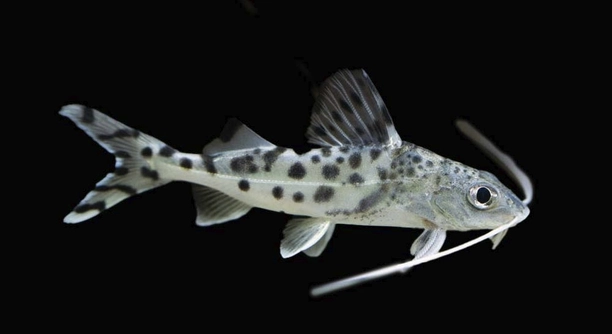
Pictus catfish are popular freshwater fish known for their active nature and peaceful temperament. They adapt well to community tanks, making them a favorite for many aquarists. Choosing the right tankmates can help maintain a balanced and harmonious aquarium environment.
Selecting compatible tankmates for pictus involves considering their activity level, temperament, and water requirements. Ideal companions are similarly active but non-aggressive fish that thrive in comparable water conditions. This ensures minimal stress and promotes a stable tank ecosystem.
Learning about effective tankmate combinations helps you create a vibrant, peaceful aquarium. The following options offer practical insights for those keeping pictus catfish.
Corydoras Catfish and Pictus
Corydoras catfish are small, peaceful bottom dwellers that pair well with pictus catfish. Both species prefer to forage near the tank’s bottom, reducing competition for food and space. Corydoras are social fish that thrive in groups, which helps keep the tank lively without causing stress to pictus. Their gentle nature complements the active swimming habits of pictus, creating a balanced environment. Additionally, both species share similar water preferences, such as neutral pH and moderate temperature, making them compatible tankmates. Corydoras’ armored bodies provide some protection, allowing them to coexist peacefully with pictus, who are fast swimmers but not aggressive. This combination promotes a healthy tank dynamic, as both species keep different parts of the aquarium clean by feeding on leftover food and debris. Adding corydoras also introduces visual interest with their contrasting appearance and behavior, enhancing the overall tank aesthetic.
Keeping corydoras in groups of five or more improves their comfort and mimics natural behavior, benefiting the entire tank ecosystem.
Including corydoras with pictus catfish creates a peaceful, active aquarium. Their complementary behaviors and water needs ensure they coexist without stress. The addition of corydoras also helps maintain cleanliness at the tank bottom, supporting a healthier aquatic environment overall.
Rainbowfish and Pictus
Rainbowfish are known for their vibrant colors and active swimming, making them good companions for pictus catfish. Their peaceful temperament fits well with pictus, which are also active but non-aggressive fish. Rainbowfish prefer mid to upper water levels, which reduces territorial overlap with bottom-dwelling pictus. Both species thrive in similar water conditions, such as clean, well-oxygenated water with a stable temperature between 72 and 78 degrees Fahrenheit. This overlap in habitat preferences helps maintain a balanced tank environment. Rainbowfish’s bright colors add visual appeal, creating a more dynamic and attractive aquarium. They are hardy fish, capable of adapting well to community tanks when proper care is provided. Feeding routines are compatible since both species accept a variety of foods, including flakes, pellets, and live or frozen options. This makes daily maintenance easier for the aquarist.
Because rainbowfish swim higher in the tank, they do not disturb the pictus catfish, allowing peaceful coexistence.
Together, rainbowfish and pictus catfish create a visually appealing and well-balanced aquarium. Their different swimming zones and peaceful natures reduce stress and competition, promoting a healthy, vibrant tank. This pairing is ideal for aquarists looking to combine activity and color in one community tank.
Plecos and Pictus
Plecos are calm bottom dwellers that share space well with pictus catfish. They help control algae, which benefits the tank environment. Both species prefer similar water conditions, making them compatible tankmates without much risk of aggression.
Plecos mainly feed on algae and plant matter, which reduces competition for food with pictus catfish, who prefer live or frozen foods. Their armored bodies provide protection, allowing plecos to coexist peacefully with active pictus. Plecos tend to be solitary but non-aggressive, which fits well with pictus’ more social and active behavior. They also contribute to tank cleanliness by consuming leftover algae, helping maintain water quality. Providing caves or driftwood for plecos ensures they have places to hide and rest. Proper tank size is important because plecos can grow quite large compared to pictus. Both species appreciate well-oxygenated water and moderate flow, which supports their health.
Combining plecos and pictus adds variety to the aquarium, with plecos focusing on algae control while pictus swim actively. This balance supports a healthier, more diverse tank ecosystem.
Tetras and Pictus
Tetras are small, peaceful schooling fish that add color and movement to a community tank with pictus. Their active, non-aggressive nature pairs well with the lively behavior of pictus catfish, reducing chances of conflict.
Tetras swim mostly in the mid to upper water levels, which complements pictus’ bottom-dwelling habits. This separation in swimming zones helps prevent territorial disputes and stress. Both fish prefer similar water parameters: slightly acidic to neutral pH, soft to moderately hard water, and temperatures between 72 and 79 degrees Fahrenheit. Tetras thrive in groups of six or more, which promotes natural schooling behavior and reduces aggression. Their small size and peaceful nature mean they are unlikely to compete with or harm pictus. Feeding needs are compatible, as both accept flakes, pellets, and small live foods, simplifying care routines.
The combination of tetras and pictus creates a balanced, peaceful community tank. Their distinct swimming areas and compatible temperaments support long-term tank stability and visual interest.
Gouramis and Pictus
Gouramis are generally peaceful and calm fish that can live well with pictus catfish. Their slow movements and preference for upper tank levels reduce competition for space. Both species tolerate similar water conditions, aiding compatibility.
Gouramis can be shy, so providing plenty of plants helps them feel secure. Their slow swimming contrasts nicely with the active pictus, creating a balanced tank environment.
Rasboras and Pictus
Rasboras are small, schooling fish that coexist well with pictus catfish. Their peaceful nature and preference for mid to upper water levels reduce conflicts. Rasboras thrive in slightly acidic to neutral water, similar to pictus, ensuring shared habitat needs. Their schooling behavior adds dynamic movement without stressing bottom dwellers. Feeding routines overlap but do not compete, as rasboras primarily eat small flakes and micro-pellets. Rasboras’ calm temperament and small size minimize aggression, making them excellent tankmates in a community setup with pictus catfish.
Barbs and Pictus
Barbs are active fish but can be semi-aggressive, so careful species selection is important when pairing with pictus. Most peaceful barbs that stay mid-level can coexist without issue.
Otocinclus and Pictus
Otocinclus catfish are small algae eaters that live peacefully with pictus catfish. Their similar water preferences and gentle behavior make them suitable tankmates.
What are the best tankmates for pictus catfish?
The best tankmates for pictus catfish are peaceful, active fish that occupy different areas of the aquarium. Ideal companions include corydoras, rainbowfish, tetras, and plecos. These fish share similar water conditions and temperaments, which helps reduce stress and aggression in the tank. Avoid aggressive or overly territorial species to maintain harmony. Choosing species with varied swimming levels also prevents competition for space, supporting a balanced environment.
How many tankmates should I keep with pictus catfish?
Pictus catfish do well with groups of at least three to five of their own kind. For other tankmates, numbers depend on the species. For example, corydoras and tetras thrive in schools of six or more, while plecos and gouramis are often kept singly or in pairs. Overstocking can lead to poor water quality and increased aggression, so always consider the tank size and species requirements.
Can pictus catfish live with aggressive fish?
Pictus catfish are peaceful and fast swimmers but are not suited for tanks with aggressive fish. Aggressive tankmates may stress or injure pictus, leading to health problems. Avoid species known for fin-nipping or territorial behavior. It’s better to choose calm, community-friendly fish to ensure pictus remain comfortable and healthy.
What water conditions do pictus catfish prefer?
Pictus catfish thrive in clean, well-oxygenated water with a temperature between 72 and 79 degrees Fahrenheit. They prefer neutral to slightly acidic pH levels, around 6.5 to 7.5, and moderate water hardness. Stable water parameters are important to reduce stress and maintain their active behavior. Regular water changes and proper filtration are essential for their health.
Do pictus catfish need hiding places?
Yes, pictus catfish benefit from hiding spots like caves, driftwood, and dense plants. These provide shelter and reduce stress, especially during the day when pictus tend to be less active. Hiding places mimic their natural habitat and offer security from more active tankmates. Ensuring multiple hiding spots also helps avoid territorial disputes.
What should I feed pictus catfish and their tankmates?
Pictus catfish are carnivorous and prefer live or frozen foods such as bloodworms, brine shrimp, and small insect larvae. They also accept high-quality sinking pellets. Tankmates like tetras and rasboras eat flakes or small pellets, while plecos and otocinclus focus on algae and plant matter. Feeding a varied diet tailored to each species ensures good health and reduces food competition.
How big should the tank be for pictus catfish and their companions?
A tank of at least 55 gallons is recommended for pictus catfish with compatible tankmates. Pictus are active swimmers that grow up to six inches, so ample swimming space is important. Larger tanks help dilute waste and provide enough room for multiple species to coexist comfortably. Overcrowding can lead to stress and poor water quality.
Can pictus catfish jump out of the tank?
Yes, pictus catfish are known jumpers and can escape open tanks. It’s important to have a secure lid to prevent accidental loss. A tight-fitting cover also keeps other animals out and helps maintain stable water conditions by reducing evaporation.
Are pictus catfish territorial?
Pictus catfish are not strongly territorial but may establish loose social hierarchies in groups. They generally avoid confrontation by swimming quickly away from threats. Providing enough space and hiding places reduces any aggressive behavior that might arise from overcrowding.
How often should I clean the tank with pictus catfish?
Regular maintenance is important to keep water quality high. Performing partial water changes of 20-30% weekly helps remove toxins and waste. Cleaning the substrate and filters monthly prevents buildup that can harm sensitive fish like pictus. Maintaining a clean tank supports their health and active lifestyle.
Can pictus catfish live with shrimp or snails?
Pictus catfish may occasionally prey on small shrimp, so peaceful shrimp species like Amano or ghost shrimp should be introduced carefully and monitored. Larger snails are generally safe as tankmates. It’s best to provide plenty of hiding spots for shrimp to avoid losses. Snails help with algae control and tank cleanliness alongside pictus.
What signs show that pictus catfish are stressed?
Signs of stress include hiding excessively, loss of appetite, sluggish swimming, or damaged fins. Stress can result from poor water quality, aggressive tankmates, or inadequate hiding places. Addressing these factors quickly improves their wellbeing and prevents disease. Regular observation helps catch problems early.
Choosing the right tankmates for pictus catfish is essential to creating a peaceful and healthy aquarium. Pictus are active, peaceful fish that do best with other non-aggressive species. Their need for clean, well-oxygenated water and moderate temperatures means compatible fish must share similar water preferences. When tankmates have matching habits and temperaments, the aquarium environment stays balanced. This reduces stress and aggression, helping all fish thrive. Picking companions that swim in different areas of the tank also limits competition for space and food. This careful selection makes a noticeable difference in the overall harmony of the tank.
In community tanks, variety adds visual appeal and enriches the aquarium’s activity. Tankmates like corydoras, rainbowfish, and tetras offer contrast to pictus in size, color, and swimming habits. Bottom dwellers such as plecos and otocinclus help keep the tank clean by eating algae, while mid-level and upper-level swimmers add movement and color. Each species plays a role in maintaining the tank’s health and aesthetics. Providing enough hiding spots and space ensures shy or slow-moving fish feel secure. A well-planned tank reduces stress and helps all species live longer, healthier lives.
Maintaining proper care routines is just as important as choosing the right tankmates. Regular water changes, monitoring water quality, and feeding a varied diet tailored to each species supports fish health. Keeping an eye on behavior and tank conditions helps catch problems early. Pictus catfish and their compatible companions thrive in environments where stress is minimized, and their needs are met consistently. Thoughtful planning and daily care create a rewarding aquarium experience with lively, peaceful fish living together in balance.

Hello,
If you enjoy the content that we create, please consider saying a "Thank You!" by leaving a tip.
Every little bit helps us continue crafting quality advice that supports the health, happiness, and well-being of pets around the world, for pets of all shapes, sizes, and species.
We really appreciate the kindness and support that you show us!