
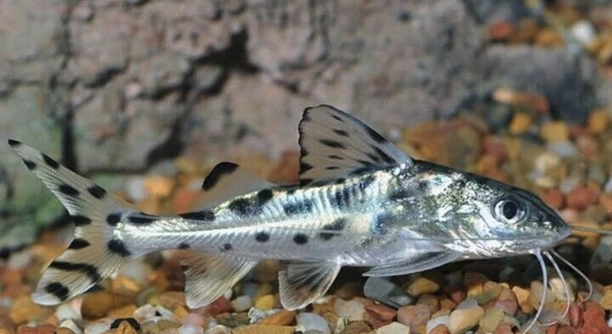
Pictus catfish are popular aquarium fish known for their active nature and distinctive spots. Many fishkeepers wonder about their behavior, especially if these catfish can learn to recognize regular feeding times. Understanding their habits helps improve care routines.
Research shows that pictus catfish do exhibit signs of recognizing feeding schedules. They respond to environmental cues and timing, suggesting a form of conditioned behavior related to feeding. This ability aids in anticipating food delivery in a controlled environment.
Knowing how pictus catfish adapt to feeding routines can improve your aquarium experience. Learning about their behavior enhances care and creates a more engaging environment for these lively fish.
How Pictus Catfish Learn Feeding Times
Pictus catfish are able to learn feeding times through a process called conditioning. They notice changes in their environment, like the sound of a food container or the light in the room. Over time, they connect these signals with food arriving soon. This helps them become more active and alert when it’s time to eat. The fish don’t understand time like humans, but they remember patterns. Consistent feeding schedules help reinforce this behavior. If the feeding time varies, the catfish may become confused or less responsive. Their ability to learn feeding times can make caring for them easier. It also shows they have more complex behavior than some other fish. This is important for anyone keeping pictus catfish to understand, as it influences how the fish interact with their environment.
The learning is gradual but clear. Pictus catfish respond best when feeding times are regular and predictable.
Keeping a steady schedule creates a better routine for the fish and reduces stress. These catfish are more comfortable when they can expect food at set times. This predictability helps them thrive and stay healthy in an aquarium.
Signs Your Pictus Catfish Recognize Feeding Time
Pictus catfish show several signs when they recognize feeding time. They become more active, swim near the surface, or gather around the area where food is usually given. This behavior often happens shortly before feeding. It can be subtle at first but becomes clearer with regular feeding habits.
Their reactions include increased movement and focused attention toward the source of food. These signs show their ability to associate environmental cues with feeding. Recognizing these behaviors allows fishkeepers to better understand their pet’s needs.
Observing your pictus catfish closely helps identify when they expect food. Their behavior provides clues that they remember feeding times and respond accordingly. These responses show a level of learning and adaptation. This understanding can help improve feeding schedules and the overall care of the fish. It also makes interactions more rewarding, as the catfish seem to anticipate feeding moments rather than react randomly.
Feeding Routine and Its Impact on Behavior
A consistent feeding routine helps pictus catfish feel secure and less stressed. They quickly adapt to regular schedules and show more predictable behavior.
Regular feeding times condition the fish to expect food, which influences their daily activity patterns. When fed at the same time each day, pictus catfish become more alert and active around feeding time. This routine helps reduce anxiety and keeps them engaged in their environment. It also supports their natural rhythms, making them healthier and more lively. Sudden changes in feeding times can confuse them and cause unnecessary stress, which may affect their appetite and overall well-being. Maintaining a stable feeding schedule improves their behavior and makes caring for them more enjoyable.
Changing feeding times often disrupts this learned behavior. Inconsistent schedules can cause the catfish to miss cues, leading to less interaction and a duller aquarium experience. Consistency is key to encouraging natural activity and responsiveness in pictus catfish.
Environmental Cues That Help Pictus Catfish
Pictus catfish rely on environmental cues to recognize feeding time. Sounds, light changes, and even the presence of their owner near the tank act as signals.
These cues become linked with feeding through repetition. For example, the sound of a food container opening or footsteps near the tank can trigger anticipation. Changes in lighting, like turning on a room light before feeding, also help establish this connection. Pictus catfish are observant and can learn to associate these signals with food, even if feeding times vary slightly. Understanding how these cues work can help fishkeepers improve feeding routines and strengthen the bond between them and their fish.
Creating a calm and consistent environment with clear cues benefits the fish’s ability to recognize feeding times. This reduces stress and supports healthier behavior patterns in the aquarium.
Feeding Time and Stress Levels
Regular feeding times help reduce stress in pictus catfish. Predictable routines make them feel safe and comfortable in their environment.
When feeding is irregular, catfish may become anxious or restless. Stress can affect their health and appetite, so keeping a consistent schedule is important.
How to Establish a Feeding Schedule
Start by feeding your pictus catfish at the same time every day. Use consistent signals like tapping the tank or turning on a light before feeding. This helps the fish learn when to expect food. Be patient—conditioning takes time. Avoid sudden changes to prevent confusion and stress.
Avoiding Overfeeding
Overfeeding can harm pictus catfish. Stick to small, measured portions to keep them healthy.
Monitoring Behavior Changes
Watch for changes in activity or appetite. These can indicate problems with feeding or health.
FAQ
Can pictus catfish really learn feeding times?
Yes, pictus catfish can learn feeding times through conditioning. They associate environmental cues, like sounds or light changes, with food arrival. This learned behavior helps them become more active and alert when it’s time to eat. Consistency in feeding schedules strengthens this response.
How long does it take for pictus catfish to recognize feeding times?
The time varies depending on the individual fish and feeding consistency. Usually, pictus catfish start showing signs of recognizing feeding times within one to two weeks of regular feeding. Repeated exposure to the same cues, like tapping or footsteps, helps speed up this learning process.
What signs show that my pictus catfish recognize feeding time?
Common signs include increased swimming activity near the surface or around the feeding area shortly before food is given. They may also follow movement near the tank or gather in places where food usually appears. These behaviors indicate anticipation and recognition of feeding time.
Does feeding at irregular times confuse pictus catfish?
Yes, irregular feeding schedules can confuse pictus catfish. Since they rely on pattern recognition, inconsistent times disrupt their ability to anticipate feeding. This can lead to stress, reduced activity, and less interaction with their environment.
Can environmental factors affect how pictus catfish learn feeding times?
Absolutely. Environmental cues like lighting changes, sounds, and human presence near the tank play a big role. Clear and consistent cues help pictus catfish associate those signals with feeding. A calm, stable environment enhances their learning and reduces stress.
Is it okay to feed pictus catfish multiple times a day?
Feeding multiple small meals a day is fine if portions are controlled. Overfeeding can cause health issues, so it’s better to provide small amounts rather than one large meal. Regular, moderate feeding keeps them healthy and active.
What happens if I miss a feeding time?
Missing one feeding is not harmful if it’s occasional. Pictus catfish are resilient and can adjust. However, frequent missed feedings can cause stress and disrupt their learned behavior. Try to keep feeding consistent to maintain their routine.
How important is the type of food for pictus catfish’s feeding behavior?
The type of food matters for their health and motivation. Pictus catfish prefer sinking pellets, frozen foods, and live foods. Using their preferred food helps encourage feeding and strengthens their routine. Variety also ensures balanced nutrition.
Can pictus catfish get stressed if food isn’t available on time?
Yes, these fish can become stressed if they expect food but don’t receive it. Stress may show as hiding, reduced activity, or loss of appetite. Keeping feeding times regular helps minimize this stress and keeps the fish comfortable.
Should I use feeding cues every time I feed?
Using cues like tapping the tank or turning on a light before feeding helps pictus catfish learn and maintain feeding times. Consistently using these signals reinforces their ability to recognize when food is coming and improves their behavior.
Can pictus catfish recognize their owner during feeding?
While pictus catfish don’t recognize people the way pets like dogs do, they do learn to associate human presence with feeding. They may swim toward the tank or become more active when someone approaches at feeding time, showing recognition of the routine.
How can I tell if my pictus catfish is overfed?
Signs of overfeeding include leftover food in the tank, sluggish behavior, or bloated appearance. Overfeeding can cause water quality issues and health problems. It’s best to feed measured amounts and remove uneaten food promptly to avoid these issues.
What should I do if my pictus catfish stops responding to feeding times?
If your catfish no longer shows signs of recognizing feeding times, check for health issues or stressors. Changes in water quality, tank conditions, or diet can affect behavior. Adjust feeding routines and monitor their environment closely to improve their response.
Can pictus catfish recognize feeding times if I’m not at home?
If feeding times and cues remain consistent, pictus catfish can maintain their routine even if the owner is absent. Automated feeders or someone else feeding them at regular times helps keep the fish on schedule and reduces stress from irregular feeding.
Does tank size affect how pictus catfish learn feeding schedules?
Tank size itself doesn’t directly affect their learning ability, but a well-maintained and comfortable tank supports overall health and behavior. In smaller or overcrowded tanks, stress may interfere with learning and routine. Providing a suitable environment is key for consistent feeding behavior.
Is it normal for pictus catfish to beg for food?
Yes, pictus catfish often swim eagerly near feeding times, which can look like begging. This behavior shows they have learned feeding times and anticipate food. It’s a sign they feel comfortable and confident in their feeding routine.
How can I make feeding time more predictable for pictus catfish?
Stick to the same feeding time every day and use consistent signals like tapping the tank or switching on a light. Avoid sudden changes in schedule or environment. Keeping the routine simple helps pictus catfish learn and reduces stress.
What is the best way to train pictus catfish to feeding times?
Start by feeding at the same time daily and use clear, repeated cues before feeding. Be patient and consistent. Avoid distractions or sudden changes. Over time, the fish will associate these cues with feeding and respond reliably.
Are there any risks if pictus catfish don’t learn feeding times?
If they don’t recognize feeding times, pictus catfish might become less active or stressed. This can lead to poor appetite and health problems. Consistent feeding routines help avoid these issues and promote better overall well-being.
Can pictus catfish adapt if I change their feeding schedule?
They can adapt, but changes should be gradual. Sudden shifts may confuse or stress them. Slowly adjusting feeding times over several days allows pictus catfish to get used to the new routine without negative effects.
Pictus catfish are interesting fish that show the ability to learn and recognize feeding times. This ability is important because it helps them feel secure in their environment. When fed regularly, they become more active and show signs of anticipation before feeding. These behaviors indicate that they can associate certain cues, like sounds or light changes, with food coming. Keeping a steady routine is helpful for both the fish and the person caring for them. It creates a smoother experience and helps the fish stay healthy and stress-free. This learning process is a simple example of how even fish can adapt to their surroundings and respond to daily patterns.
Understanding how pictus catfish recognize feeding times can make caring for them more effective. By feeding them at the same time each day and using clear signals, fishkeepers can support this learning behavior. It may take some patience, as fish do not learn instantly, but over time they will respond more consistently. It’s also important to avoid sudden changes in feeding schedules because this can confuse the fish and cause stress. Stress can lead to health issues or reduced appetite, so keeping the routine stable is key. Observing the fish’s behavior closely will help in knowing when they expect food and how well they have learned the schedule.
Overall, feeding routines play a big role in the wellbeing of pictus catfish. A regular schedule combined with consistent cues creates a positive environment. This makes the fish feel comfortable and less anxious. Additionally, it can improve the bond between the fish and the caretaker, since the fish will show clear responses to feeding times. While pictus catfish may not recognize time as humans do, their ability to remember patterns is a helpful skill that supports their daily life. Paying attention to these habits and respecting their needs leads to healthier and happier fish. Taking simple steps to maintain consistency benefits both the fish and the aquarium keeper alike.

Hello,
If you enjoy the content that we create, please consider saying a "Thank You!" by leaving a tip.
Every little bit helps us continue crafting quality advice that supports the health, happiness, and well-being of pets around the world, for pets of all shapes, sizes, and species.
We really appreciate the kindness and support that you show us!