
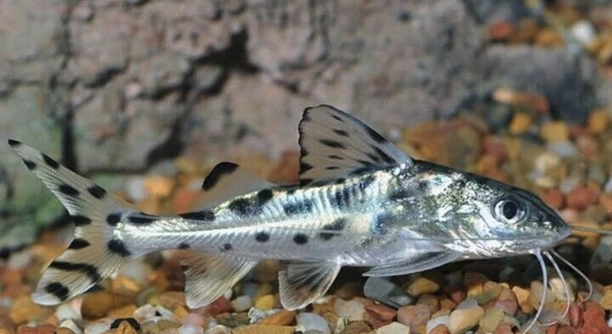
Pictus catfish are popular aquarium fish known for their active behavior and striking appearance. Sometimes, these fish may be seen gasping at the water surface, which can worry fish owners. Understanding why this happens is important for their care.
Pictus catfish gasp at the surface primarily due to low oxygen levels in the water or poor water quality. This behavior signals that the fish are struggling to get enough oxygen through their gills and need immediate attention to their tank environment.
Knowing the causes behind this behavior can help you maintain a healthier tank for your catfish and avoid serious health problems in the future.
Common Causes of Gasping in Pictus Catfish
Gasping at the surface in Pictus catfish is often linked to several environmental factors. One of the most common reasons is low oxygen levels in the tank water. Fish rely on dissolved oxygen for survival, and when oxygen is scarce, they swim near the surface where oxygen is higher. Another frequent cause is poor water quality. Accumulation of toxins like ammonia and nitrites can stress the fish and make breathing difficult. Additionally, high water temperature lowers oxygen levels, making the problem worse. Overcrowding in the aquarium can also reduce oxygen availability and increase waste, further impacting water quality. Lastly, sudden changes in water parameters, such as pH or hardness, can shock the fish, causing abnormal behavior including gasping. Monitoring these factors closely is essential to keeping your Pictus catfish healthy and comfortable in their environment.
Maintaining proper oxygen levels and clean water is key to preventing gasping.
Keeping a consistent care routine, including regular water changes and testing, supports your fish’s health and reduces stress-related breathing issues.
How to Improve Oxygen Levels in the Tank
Improving oxygen levels in the tank is a straightforward way to help your catfish breathe easier.
One effective method is increasing surface agitation, which promotes oxygen exchange between air and water. Adding an air stone or bubbler creates bubbles that enhance this process. Using a filter that agitates the water surface also helps. Ensuring your tank is not overcrowded allows more oxygen to be available for each fish. Regular water changes remove waste and maintain clean conditions, supporting better oxygen levels. Avoid raising the water temperature too much, since warmer water holds less oxygen. Introducing live plants can also increase oxygen, but be cautious as plants consume oxygen at night. Observing your fish after making these changes helps you know if conditions have improved. Taking these steps will make your aquarium a healthier place for your Pictus catfish to thrive.
Signs of Poor Water Quality
Poor water quality causes stress and breathing problems in Pictus catfish. Cloudy water, strong odors, and visible waste are clear signs that the tank needs attention.
Testing the water regularly for ammonia, nitrites, and nitrates is essential. High levels of these chemicals are toxic to fish and lead to gasping behavior. Fish may also become lethargic, lose appetite, or develop unusual spots and discoloration. Waste buildup from uneaten food and fish excrement raises harmful toxins quickly. Without proper filtration and water changes, conditions worsen rapidly. A clean tank with balanced water parameters supports healthy gill function and normal breathing.
Frequent water changes, good filtration, and avoiding overfeeding are crucial to maintaining water quality. These practices help remove toxins and reduce stress for your Pictus catfish. Watching for early warning signs lets you act before serious problems develop.
Effects of Temperature on Pictus Catfish
Temperature directly affects oxygen levels in the aquarium. Warmer water holds less dissolved oxygen, causing your catfish to gasp more often at the surface.
Pictus catfish prefer temperatures between 72°F and 78°F (22°C to 26°C). If the water gets too warm, their metabolism speeds up, increasing oxygen demand at the same time oxygen availability drops. This imbalance stresses the fish, making breathing difficult. Sudden temperature fluctuations can also shock their system, weakening their immune response. Using a reliable heater and thermometer helps maintain stable conditions. Avoid placing the tank near heat sources or direct sunlight, which can raise water temperature unexpectedly. Keeping the tank cool enough supports healthy breathing and reduces the risk of gasping.
Overcrowding and Its Impact
Overcrowding reduces available oxygen in the tank, making it hard for Pictus catfish to breathe. Too many fish also increase waste, lowering water quality quickly.
Each fish needs enough space to swim and access oxygen-rich water. Overcrowded tanks create stress and promote disease.
Signs of Stress in Pictus Catfish
Stress in Pictus catfish shows through changes in behavior and appearance. They may hide more often, lose appetite, or swim erratically. Color fading and clamped fins are also common signs. These symptoms often occur alongside gasping at the surface and indicate underlying issues in tank conditions that need attention.
Proper Tank Maintenance
Regular cleaning, water changes, and filter upkeep are essential to keep water safe and oxygen levels stable. Proper maintenance prevents toxin buildup and reduces stress for your catfish.
When to Seek Professional Help
If gasping continues despite improving tank conditions, consult a veterinarian experienced with fish. Persistent breathing problems may signal illness needing medical treatment.
FAQ
Why is my Pictus catfish gasping at the surface even though I changed the water?
Changing the water is important, but it may not fix all problems immediately. If the underlying issues like poor oxygen circulation or high toxins remain, gasping can continue. Make sure your water changes are frequent and thorough, and check that your filter is working properly. Also, test water parameters for ammonia, nitrites, and nitrates regularly to catch hidden problems.
Can low oxygen cause permanent damage to Pictus catfish?
Yes, prolonged low oxygen levels can harm Pictus catfish. Lack of oxygen stresses their gills and organs, potentially leading to serious health issues or death. Promptly addressing water quality and oxygen levels is necessary to prevent long-term damage.
How often should I test my aquarium water?
Testing your aquarium water once a week is a good routine. This helps detect changes in ammonia, nitrites, nitrates, pH, and temperature before they become harmful. More frequent testing might be needed if your tank is newly set up or if fish show signs of stress.
What is the ideal tank size for Pictus catfish?
A minimum tank size of 55 gallons (around 200 liters) is recommended for Pictus catfish. They are active swimmers and need space to move freely. Larger tanks also help maintain stable water conditions and reduce stress.
Can Pictus catfish breathe air from the surface?
No, Pictus catfish cannot breathe air directly. They rely on oxygen dissolved in the water. Gasping at the surface happens because oxygen levels there are slightly higher, but this is a sign of stress, not normal behavior.
Are live plants helpful for oxygen levels?
Live plants can increase oxygen during the day through photosynthesis. However, they consume oxygen at night, which might reduce oxygen levels. It’s best to have a balanced mix of plants and good water circulation to maintain healthy oxygen levels.
How can I prevent overheating in my aquarium?
Avoid placing the tank near windows, heaters, or direct sunlight. Use a reliable aquarium heater with a thermostat to maintain stable temperatures. Consider a fan or cooling system if your environment tends to get warm, especially in summer.
Is overfeeding related to gasping?
Yes, overfeeding leads to excess waste, which breaks down into harmful chemicals that reduce water quality and oxygen levels. Feeding small amounts and removing uneaten food can help keep the tank clean and prevent gasping.
What should I do if my Pictus catfish shows other signs of illness?
Look for symptoms like white spots, ragged fins, or unusual swimming patterns. These could indicate infections or parasites. Quarantine sick fish and consult an aquatic veterinarian for diagnosis and treatment options.
Can changing water temperature suddenly cause gasping?
Sudden temperature changes can shock Pictus catfish, causing stress and breathing difficulties. Always make gradual adjustments when changing water or setting up a new tank. Stable temperature supports healthy fish and prevents gasping.
How important is filtration for preventing gasping?
Filtration removes waste and circulates oxygen-rich water. A well-maintained filter is critical to keep water clean and oxygenated, directly preventing gasping caused by poor water quality.
Are there signs that gasping is not related to water quality?
If water tests are normal but gasping continues, consider other causes like disease, parasites, or injury. In such cases, professional advice is recommended to identify and treat the problem correctly.
Can stress from tank mates cause gasping?
Aggressive or overly active tank mates can stress Pictus catfish, leading to erratic breathing and gasping. Ensure compatible species and avoid overcrowding to reduce stress.
Is surface agitation always good for oxygen levels?
Yes, surface agitation increases oxygen exchange, which helps fish breathe. But too much turbulence can stress some fish. Aim for gentle surface movement with air stones or filters.
How long can Pictus catfish survive without proper oxygen?
Survival time varies, but prolonged low oxygen is harmful and can be fatal within hours or days. Immediate action is needed to restore oxygen levels and prevent loss.
Can adding salt help with gasping?
Adding aquarium salt can reduce stress and improve gill function, but it’s not a cure for low oxygen or poor water quality. Use salt carefully, following guidelines, and only if recommended for your tank setup.
Final Thoughts
Taking care of Pictus catfish requires attention to their breathing and behavior. Gasping at the surface is often a clear sign that something in their tank needs fixing. It usually means low oxygen or poor water quality. These conditions can cause stress and harm the fish if not addressed quickly. Keeping the water clean and well-oxygenated helps prevent gasping. Simple steps like regular water changes, using a good filter, and monitoring water parameters go a long way in keeping your catfish healthy. Watching your fish closely can help you spot early signs of trouble before they get worse.
Temperature plays an important role in your Pictus catfish’s health. Warm water holds less oxygen, so it is important to keep the tank within the right temperature range. Avoid sudden changes that can shock the fish and cause stress. Overcrowding should also be avoided, as it reduces the oxygen available and increases waste. Giving your catfish enough space and stable conditions helps them breathe easier and live longer. A properly maintained tank with stable conditions creates a comfortable environment where your fish can thrive.
If gasping continues despite good care, it may be a sign of illness or another problem. In such cases, consulting a vet with experience in fish health is a good idea. Sometimes medical treatment is needed to help the fish recover. Overall, keeping an eye on water quality, oxygen levels, temperature, and tank conditions is the best way to support your Pictus catfish. Taking small but regular steps to maintain the tank can prevent many common problems and ensure your fish stay healthy and active.

Hello,
If you enjoy the content that we create, please consider saying a "Thank You!" by leaving a tip.
Every little bit helps us continue crafting quality advice that supports the health, happiness, and well-being of pets around the world, for pets of all shapes, sizes, and species.
We really appreciate the kindness and support that you show us!