
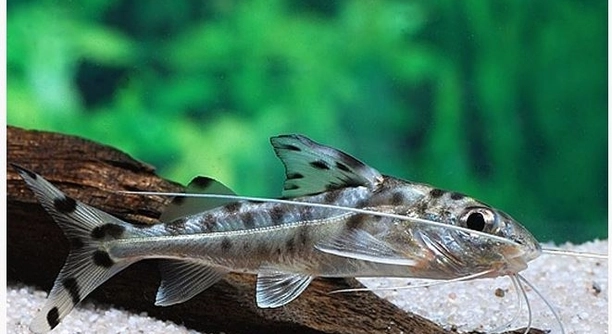
Pictus catfish are popular freshwater fish known for their striking appearance and active behavior. Many aquarium enthusiasts enjoy keeping them for their peaceful nature and ease of care. Understanding their needs is important when considering where to house them.
Pictus catfish can be kept in outdoor ponds if the environment meets their temperature, water quality, and shelter requirements. They prefer temperatures between 72-79°F and need protection from predators and strong sunlight to thrive outdoors.
Learning about the right conditions for pictus catfish in ponds can help ensure their health and longevity. This article explores key factors to consider before adding them to your outdoor water garden.
Temperature Requirements for Pictus Catfish in Outdoor Ponds
Pictus catfish thrive best in water temperatures between 72 and 79 degrees Fahrenheit. Outdoor ponds that experience significant temperature swings may not be suitable unless measures are taken to stabilize conditions. In colder climates, temperatures can drop too low during winter, risking the fish’s health. Providing a pond heater or moving the fish indoors during cold months can help maintain their comfort. Likewise, in very hot weather, water temperature may rise above their ideal range. Shade from plants or pond covers can reduce heat stress. Monitoring water temperature regularly is essential for keeping pictus catfish healthy outdoors. Without stable temperatures, the fish can become stressed or vulnerable to disease.
Maintaining a consistent temperature range is key to the well-being of pictus catfish in outdoor ponds.
Managing water temperature carefully will help your catfish adapt to an outdoor environment and stay healthy throughout the year.
Water Quality and Filtration Needs
Clean water is vital for pictus catfish, as poor water quality can quickly harm them. Ponds need efficient filtration systems to remove waste and prevent harmful buildup of ammonia and nitrites. Regular water testing is important to keep parameters like pH, ammonia, nitrite, and nitrate levels safe. Pictus catfish prefer slightly acidic to neutral pH, around 6.5 to 7.5. Partial water changes should be done to maintain good water conditions, especially in smaller ponds. Aeration is also beneficial, as it increases oxygen levels, which these active fish need. Algae and debris should be controlled, but avoid over-cleaning, as beneficial bacteria live in pond filters and substrate. Proper water quality ensures pictus catfish stay energetic and avoid common pond fish illnesses.
Good filtration and water testing are necessary for the long-term health of pictus catfish in outdoor ponds. It is important to keep ammonia and nitrites near zero to prevent stress and sickness. Regular partial water changes help maintain balanced water chemistry. Aeration devices like fountains or air pumps increase oxygen, which improves fish activity and health. Avoid overcrowding the pond, as too many fish can lead to rapid water quality decline. Using plants to absorb excess nutrients can also aid in water clarity and quality. By keeping water clean and stable, pictus catfish can enjoy a healthy and comfortable habitat outside. This attention to water quality supports their natural behavior and longevity.
Shelter and Hiding Spots
Pictus catfish need places to hide and feel safe in outdoor ponds. Without shelter, they can become stressed or vulnerable to predators.
Providing rocks, aquatic plants, and driftwood creates natural hiding spots. These elements also offer shade and reduce stress by giving catfish a place to rest during daylight hours. It’s important to arrange these shelters so the fish can easily swim between them. Covered areas protect them from birds and other predators common in outdoor settings. Plants with broad leaves or floating vegetation add extra protection while keeping the pond environment balanced.
Hiding spots also help pictus catfish feel secure, promoting natural behavior and reducing aggressive interactions with other fish. Including enough shelter supports their overall health and well-being in an outdoor pond environment.
Feeding Pictus Catfish Outdoors
Pictus catfish are omnivores and eat a variety of foods like pellets, insects, and small invertebrates. Feeding them balanced food helps maintain their energy and health.
In outdoor ponds, natural food sources such as insect larvae and algae may supplement their diet. However, it’s still important to provide commercial sinking pellets designed for bottom feeders. Feed them once or twice daily, but avoid overfeeding to prevent water quality issues. Uneaten food can decompose and harm the pond’s ecosystem. Observing their eating habits ensures they are getting enough nutrition without polluting the water.
Occasionally offering live or frozen foods like bloodworms or brine shrimp can provide variety and extra protein. Proper feeding supports their growth, coloration, and activity level, making them more vibrant and lively in the pond.
Predators and Protection
Outdoor ponds expose pictus catfish to predators like birds, raccoons, and larger fish. Protecting them is essential to keep them safe.
Using pond netting or floating covers can reduce attacks. Dense plants also help by offering hiding places and making the pond less visible to predators.
Breeding Considerations
Breeding pictus catfish in outdoor ponds can be challenging due to temperature fluctuations and predator risks. These fish prefer stable conditions for spawning. Providing flat surfaces like broad leaves or smooth rocks encourages egg laying. Protecting eggs from predators and maintaining good water quality are important to increase survival rates. Outdoor ponds require extra attention to these factors to successfully breed pictus catfish.
Compatibility with Other Fish
Pictus catfish generally get along with peaceful pond fish species. Avoid aggressive or very large fish that may harm them.
Seasonal Care Tips
During colder months, monitor pond temperature closely. Consider bringing catfish indoors or using pond heaters in winter.
FAQ
Can pictus catfish survive cold winters in outdoor ponds?
Pictus catfish are tropical fish and do not tolerate cold water well. In outdoor ponds where winter temperatures drop below 65°F (18°C), they can become stressed or die. It’s best to move them indoors during colder months or use a pond heater to maintain stable temperatures. If neither option is possible, keeping them in a heated aquarium during winter will protect their health. Outdoor ponds in warm climates without harsh winters are more suitable for year-round pictus catfish care.
What kind of water filtration is needed for outdoor ponds with pictus catfish?
Efficient filtration is critical to maintain clean and safe water. A biological filter that supports beneficial bacteria helps break down waste products. Mechanical filters remove debris, while chemical filtration (like activated carbon) can improve clarity. Since pictus catfish produce waste and leftover food can accumulate, a combination of these filter types is ideal. Regular filter maintenance and partial water changes help keep ammonia and nitrite levels low, preventing fish stress and illness.
Are pictus catfish aggressive toward other fish in a pond?
Pictus catfish are generally peaceful and social but may show mild territorial behavior if crowded or stressed. They do best with other calm fish species that won’t compete aggressively for food or space. Avoid mixing them with very large or aggressive fish that may bully or harm them. They tend to swim actively during the day and prefer hiding spots, so compatible pond mates should be non-aggressive and occupy different pond levels or niches.
How often should pictus catfish be fed in an outdoor pond?
Feeding once or twice daily is sufficient for pictus catfish. Use sinking pellets formulated for bottom feeders to ensure the food reaches them. Overfeeding can pollute the pond water, so only offer what they can eat within a few minutes. Natural food like insects and larvae can supplement their diet outdoors. Watch their behavior during feeding to adjust amounts if necessary. A balanced feeding routine helps maintain their health and keeps the pond environment stable.
Can pictus catfish be kept with koi or goldfish in the same pond?
Pictus catfish can usually coexist peacefully with koi and goldfish if the pond is large enough. These species occupy different levels; pictus catfish stay near the bottom while koi and goldfish swim throughout the water column. However, koi can grow very large and may accidentally outcompete or stress smaller fish. Providing plenty of hiding places for pictus catfish reduces potential conflicts. Regular monitoring of fish interactions is important to ensure all species remain healthy.
What are common health issues for pictus catfish in outdoor ponds?
Poor water quality is the main cause of health problems. Symptoms include lethargy, loss of appetite, or visible spots and damage on the fish. Parasites, bacterial infections, and fungal diseases can occur if water conditions deteriorate. Stress from predators or inadequate shelter also weakens their immune system. Maintaining clean water, proper filtration, and suitable temperature limits these risks. Early detection and treatment improve survival rates when illnesses arise.
Is it necessary to provide additional aeration in outdoor ponds for pictus catfish?
Yes, additional aeration is recommended. Pictus catfish are active swimmers and need well-oxygenated water to stay healthy. Aeration devices like fountains, waterfalls, or air pumps increase oxygen levels and improve water circulation. This also helps reduce harmful gas buildup, such as carbon dioxide and ammonia. Aeration supports beneficial bacteria growth in filters and substrate, contributing to a balanced pond ecosystem and overall fish health.
How large should an outdoor pond be for pictus catfish?
A pond of at least 100 gallons is suitable for a small group of pictus catfish. They grow up to 5 inches and are schooling fish, so keeping several together promotes natural behavior. Larger ponds provide more stable water conditions and room to swim. Overcrowding leads to stress, poor water quality, and disease. Ensuring enough space and hiding spots is essential for their well-being in an outdoor setting.
What type of plants work best in ponds with pictus catfish?
Hardy aquatic plants with broad leaves, like anacharis, water lilies, or hornwort, provide excellent cover and shelter. Floating plants help shade the pond and reduce algae growth by limiting sunlight. Plants also improve water quality by absorbing excess nutrients. Avoid delicate or slow-growing plants that may be disturbed by the catfish’s activity. Well-chosen plants create a balanced, natural environment that benefits both fish and the pond ecosystem.
How do pictus catfish behave during the day in outdoor ponds?
Pictus catfish are mostly active during daylight hours, often swimming near the bottom or along pond edges. They use hiding spots to rest or avoid bright light. They tend to be social and enjoy the company of their own kind. Observing their natural behavior helps identify any health or environmental issues early. Providing a safe, comfortable habitat encourages their active and curious nature to show.
Keeping pictus catfish in outdoor ponds can be a rewarding experience if the right conditions are met. These fish are active and peaceful, making them a good choice for pond environments that can support their needs. Temperature control, water quality, and shelter are the most important factors to consider. Without proper care, pictus catfish may become stressed or sick, but with attention to detail, they can thrive and add interest to your pond.
Temperature plays a major role in how well pictus catfish do outdoors. Because they are tropical fish, they need warmer water between 72 and 79 degrees Fahrenheit. If the pond gets too cold during winter, the fish will not survive without extra help such as pond heaters or moving them indoors. In warmer climates, shade and good water circulation help keep temperatures stable and comfortable. Monitoring temperature regularly is essential to avoid sudden drops or rises that can affect the fish’s health.
Water quality must be maintained through good filtration and regular water changes. Clean water keeps pictus catfish healthy and active. It is also important to provide plenty of hiding places like plants and rocks, which offer protection and reduce stress. Feeding them properly without overfeeding helps keep the pond environment balanced. By carefully managing these conditions, pictus catfish can live happily and healthily in outdoor ponds, making them an enjoyable addition for those willing to meet their needs.

Hello,
If you enjoy the content that we create, please consider saying a "Thank You!" by leaving a tip.
Every little bit helps us continue crafting quality advice that supports the health, happiness, and well-being of pets around the world, for pets of all shapes, sizes, and species.
We really appreciate the kindness and support that you show us!