
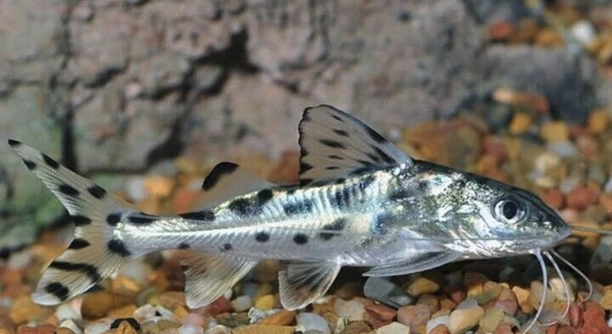
Keeping Pictus catfish calm during tank cleaning is important for their health and comfort. These fish can get stressed easily, which may affect their well-being. Understanding how to reduce stress helps create a better environment for them.
The key to calming Pictus catfish during tank maintenance involves gentle handling, minimizing sudden movements, and maintaining stable water conditions. Providing hiding spots and reducing noise also plays a significant role in preventing stress during cleaning.
Knowing how to keep your catfish calm makes tank cleaning smoother and safer for both you and your fish. Proper care techniques ensure your aquatic pets remain healthy and comfortable throughout the process.
Preparing the Tank Before Cleaning
Before you start cleaning, make sure the tank is properly prepared to reduce stress on your Pictus catfish. Turn off any strong lights or equipment that might cause sudden changes in the environment. Ensure the water temperature remains stable, as fluctuations can make the fish nervous. If possible, dim the lights to create a calmer atmosphere. Cover the tank partially to limit outside distractions. Remove any decorations or plants carefully, avoiding sudden movements that could startle the fish. Having a clean bucket and tools ready beforehand also helps make the process quicker and smoother. Taking these steps lets your catfish feel more secure during tank maintenance.
Having the right tools and setup helps keep the process efficient and less stressful for your fish.
Keeping your cleaning tools organized and accessible prevents long disruptions in the tank environment. Use a siphon or gravel vacuum to clean the substrate gently, avoiding excessive disturbance. Slowly remove and rinse decorations without harsh scrubbing to maintain beneficial bacteria. Gradually replace the water with fresh, dechlorinated water matching the tank temperature. These careful actions support a healthy tank while minimizing stress for your catfish.
How to Calm Pictus Catfish During Cleaning
Moving slowly and speaking softly can help reduce your fish’s anxiety. Pictus catfish respond to calm, gentle movements, so avoid quick or loud actions. Keeping the room quiet and free from sudden noises also lowers stress. If your catfish hide during cleaning, don’t force them out; allow them to stay in their hiding spots until the process is done.
Using hiding spots like plants or caves in the tank offers a safe refuge for your catfish. These places give them a sense of security during the disruption caused by cleaning. If possible, place temporary shelters to help the fish feel protected. Avoid handling the fish unless absolutely necessary, as this increases stress. After cleaning, allow the tank to settle before turning equipment back on, so the fish can adjust to the environment calmly. These simple techniques make a big difference in maintaining your Pictus catfish’s well-being during tank care.
Monitoring Water Quality During Cleaning
Maintaining water quality is crucial when cleaning your tank. Poor water conditions can stress Pictus catfish quickly.
Test the water regularly for ammonia, nitrites, and nitrates. High levels of these chemicals can harm your fish and cause stress. Use a reliable test kit to monitor parameters before, during, and after cleaning. Replace water gradually, ensuring the new water matches the tank’s temperature and pH. Avoid changing too much water at once, as this sudden shift can shock the fish. Keeping water quality stable supports your catfish’s health and reduces anxiety during cleaning.
Regular water changes combined with careful monitoring prevent dangerous spikes in harmful chemicals. This creates a safer and calmer environment for your Pictus catfish throughout maintenance. Consistency is key to minimizing stress and keeping your fish healthy long term.
Recognizing Stress Signs in Pictus Catfish
Pictus catfish show stress through specific behaviors like hiding, rapid breathing, or loss of appetite. Early detection helps prevent serious health issues.
Watch for changes in swimming patterns or unusual lethargy. Stressed fish may avoid food or stay at the tank bottom. These signs indicate discomfort or poor water conditions. Respond quickly by checking water parameters and adjusting your cleaning routine to be gentler. Providing hiding places during cleaning also helps reduce visible stress. Recognizing these signals allows you to take steps that improve your catfish’s well-being before problems escalate. Staying attentive ensures a calm, healthy tank environment for your fish.
Using Gentle Lighting During Cleaning
Bright lights can stress Pictus catfish, especially during tank cleaning. Lowering the light intensity helps keep them calm.
Consider turning off overhead lights or using a dimmer. Soft lighting creates a less threatening environment, making the cleaning process easier for your fish to handle.
Handling Your Pictus Catfish Carefully
If you must move your catfish, use a soft net and slow movements. Avoid sudden actions that can startle them. Handle the fish gently to reduce injury and stress.
Always keep them in water as much as possible during transfers. Quick, calm handling protects their delicate bodies and helps them stay relaxed.
Keeping a Consistent Cleaning Schedule
Regular tank cleaning prevents buildup of waste and harmful chemicals. This reduces stress caused by poor water quality.
Sticking to a consistent schedule helps your Pictus catfish adapt to maintenance routines, making the process less disruptive each time.
How often should I clean the tank to keep my Pictus catfish calm?
Cleaning frequency depends on tank size and fish load, but a good rule is to clean 10-20% of the water weekly. Regular partial water changes prevent buildup of waste and harmful chemicals that stress your fish. Overcleaning or changing too much water at once can shock Pictus catfish, so smaller, consistent cleaning is best. Keep the gravel and decorations lightly cleaned to maintain beneficial bacteria. This steady routine helps your catfish get used to the process and stay calm during each cleaning session.
What signs show my Pictus catfish is stressed during cleaning?
Common signs of stress include hiding more than usual, rapid breathing, loss of appetite, and erratic swimming. You may notice your catfish staying at the bottom or near hiding spots. Sometimes, they become lethargic or show changes in color. If you see any of these signs, check water quality immediately. Stress is often caused by sudden changes in water parameters or rough handling. Adjust your cleaning method by being gentler and providing more hiding spaces to reduce anxiety during maintenance.
Can I use a tank cover to keep Pictus catfish calm?
Yes, a partially covered tank can help reduce stress during cleaning by limiting external distractions. Pictus catfish feel safer with less light and fewer sudden movements around them. Using a dark cloth or a tank hood can lower light intensity and shield your fish from outside activity. Just make sure the cover does not block airflow or cause overheating. Creating a calmer, more secure environment helps your catfish stay relaxed while you clean the tank.
Should I remove my Pictus catfish during tank cleaning?
It’s best to avoid removing your catfish unless absolutely necessary. Moving them increases stress and risks injury. Instead, clean the tank carefully around the fish, using slow movements and gentle tools. If you do need to remove them, use a soft net and keep the fish in water during the transfer. Place them temporarily in a container with water from the tank to keep temperature and conditions stable. Minimizing handling helps maintain their calm and health.
How can I make tank cleaning less stressful for Pictus catfish?
Start by preparing the tank and tools in advance to reduce cleaning time. Turn off bright lights or dim them during the process. Move slowly and avoid sudden noises or quick movements. Provide plenty of hiding spots with plants or decorations. Monitor water quality closely before and after cleaning to prevent harmful chemical spikes. Gradually replace water with fresh, dechlorinated water at the same temperature. These steps create a more peaceful environment for your catfish during maintenance.
Is it okay to clean the gravel thoroughly during tank cleaning?
Cleaning gravel is important but should be done gently to protect beneficial bacteria. Use a gravel vacuum to remove debris without disturbing too much substrate at once. Avoid deep scrubbing or removing all the gravel bacteria, as this can upset the tank’s balance and stress your fish. Cleaning small sections over multiple sessions helps maintain a healthy environment. Keeping the gravel clean while preserving good bacteria is key to a calm tank.
What water temperature is best when cleaning my Pictus catfish tank?
Match the temperature of the new water to the existing tank water closely to avoid shocking your fish. Sudden temperature changes can cause stress or illness. Pictus catfish thrive in water between 72°F and 79°F (22°C to 26°C). Use a thermometer to check both tank and replacement water before adding it. Adding water slowly and carefully helps keep the environment stable and your catfish calm during cleaning.
Can noises affect my Pictus catfish during tank cleaning?
Yes, loud noises or sudden sounds can startle and stress your catfish. Keep the room quiet and avoid banging on the tank or dropping items nearby. Soft, calm surroundings help your fish feel safe. If your cleaning involves noisy equipment, try to reduce the noise or clean during quieter times. Minimizing sound distractions improves the overall comfort of your catfish during tank maintenance.
What should I do if my Pictus catfish shows signs of stress after cleaning?
First, check water quality to ensure no harmful changes occurred. Adjust temperature, pH, and chemical levels as needed. Provide extra hiding spots and reduce light intensity. Avoid feeding immediately after cleaning to let the fish settle. Monitor their behavior closely over the next hours and days. If stress signs continue, consider doing smaller water changes or cleaning less often. Calm environments and careful maintenance routines help your catfish recover quickly.
Are there any special considerations for tank decorations during cleaning?
Clean decorations carefully to avoid harming beneficial bacteria. Rinse them in tank water rather than tap water, which may contain chlorine. Avoid strong soaps or chemicals, as residues can be toxic. Decorations also serve as hiding spots, so don’t remove all at once during cleaning. Rotating their cleaning helps keep bacteria intact while maintaining a healthy habitat. Safe and gentle cleaning of decorations supports your catfish’s comfort and well-being.
Keeping Pictus catfish calm during tank cleaning is important for their health and well-being. These fish are sensitive to changes in their environment, and sudden movements, loud noises, or poor water conditions can stress them out. Stress can make them more vulnerable to illness and affect their behavior. By taking simple steps like preparing the tank ahead, using gentle lighting, and moving slowly, you can help your catfish feel safer during cleaning. Consistency in your cleaning routine also helps them get used to the process and reduces anxiety over time.
Water quality plays a big role in keeping your Pictus catfish calm and healthy. Regularly testing the water for harmful chemicals and maintaining stable temperature and pH levels is essential. When changing water, it is best to do so gradually, replacing only a small amount at a time to avoid shocking your fish. Also, be careful when cleaning the gravel and decorations to preserve beneficial bacteria that keep the tank balanced. Keeping these factors in check will create a steady and safe environment for your catfish to thrive.
Finally, paying attention to your catfish’s behavior helps you understand when they are stressed or uncomfortable. Signs like hiding, rapid breathing, or loss of appetite can indicate problems with water quality or handling. If you notice these signs, adjust your cleaning routine by being gentler and providing more hiding spots. Avoid unnecessary handling and loud noises, and always keep the tank environment calm and quiet during maintenance. Following these guidelines will make tank cleaning easier for you and less stressful for your Pictus catfish, ensuring they stay happy and healthy.

Hello,
If you enjoy the content that we create, please consider saying a "Thank You!" by leaving a tip.
Every little bit helps us continue crafting quality advice that supports the health, happiness, and well-being of pets around the world, for pets of all shapes, sizes, and species.
We really appreciate the kindness and support that you show us!